
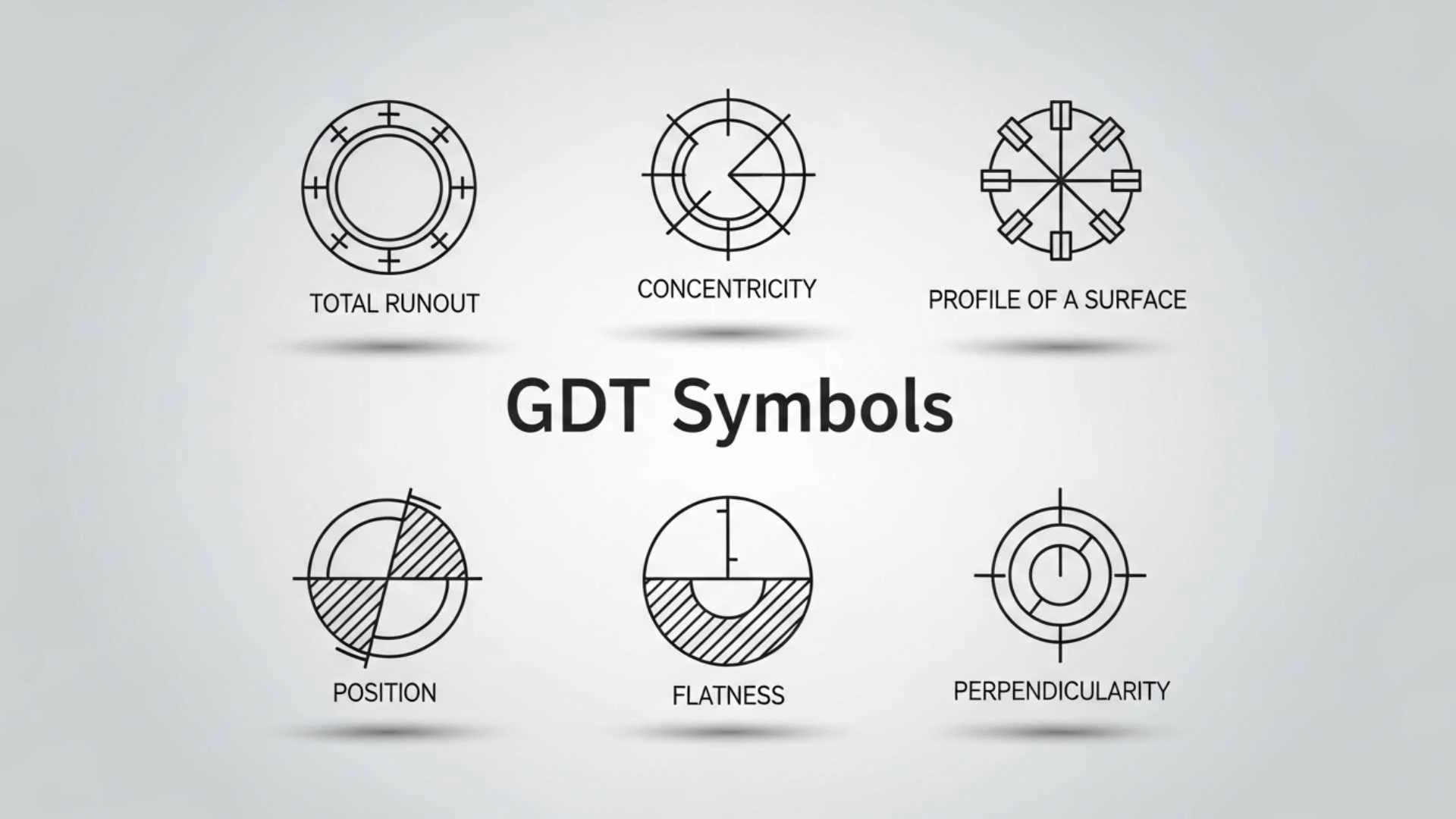
“GDT symbols” are the universal language of precision in engineering and manufacturing. They quietly control how parts are designed, measured and assembled with accuracy.
These symbols may look technical at first glance, but they carry powerful meaning that ensures products fit, function and perform perfectly.
In this guide, you will discover the meaning, types, and importance of GDT symbols in a way that is simple, clear and deeply insightful.
What Are GDT Symbols?
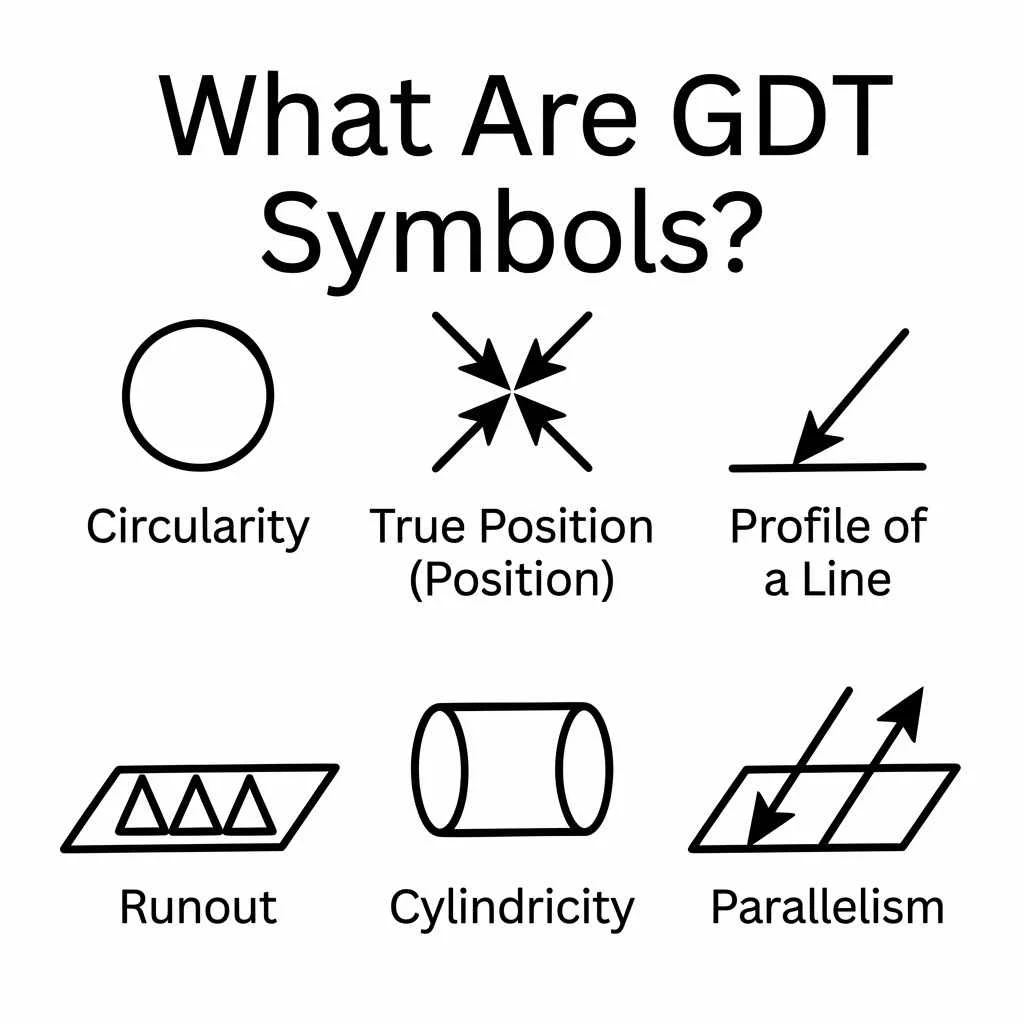
GDT symbols, short for Geometric Dimensioning and Tolerancing symbols, are standardized marks used on engineering drawings to define the shape, size, orientation, and allowable variation of parts.
Instead of relying only on basic measurements, GDT symbols communicate how precise a feature must be and how much variation is acceptable. This system ensures consistency across manufacturing processes, no matter where in the world the part is produced.
These symbols are defined by international standards like ASME and ISO, making them a global language for engineers, designers, and manufacturers.
Deep Symbolic Meaning
Spiritual Level
GDT symbols represent order within complexity. They reflect the idea that even the smallest detail has purpose and meaning, much like the structure of the universe itself.
Psychological Level
On a mental level, these symbols mirror human desire for control, precision, and perfection. They satisfy our need to reduce uncertainty and create predictable outcomes.
Cultural Level
Culturally, GDT symbols stand for discipline, accuracy, and trust. In industries where safety and performance matter, these symbols ensure reliability and accountability.
Types and Variations of GDT Symbols
GDT symbols are grouped into categories based on what they control.
Form Symbols
These define the shape of a feature.
- Straightness: Controls how straight a line must be
- Flatness: Ensures a surface is even
- Circularity: Maintains a perfect circle
- Cylindricity: Controls the roundness and straightness of a cylinder
Profile Symbols
These control the outline of a feature.
- Profile of a Line: Defines a 2D shape tolerance
- Profile of a Surface: Controls a 3D surface form
Orientation Symbols
These define how a feature is positioned relative to another.
- Parallelism: Ensures features are parallel
- Perpendicularity: Maintains a 90 degree angle
- Angularity: Controls a specific angle
Location Symbols
These specify exact positioning.
- Position: Defines the exact location of a feature
- Concentricity: Aligns centers of features
- Symmetry: Ensures balance across a plane
Runout Symbols
These control rotational accuracy.
- Circular Runout: Measures variation during rotation
- Total Runout: Controls overall surface variation
Each symbol appears in engineering drawings, manufacturing blueprints, and quality inspection reports. They ensure every part meets its intended function.
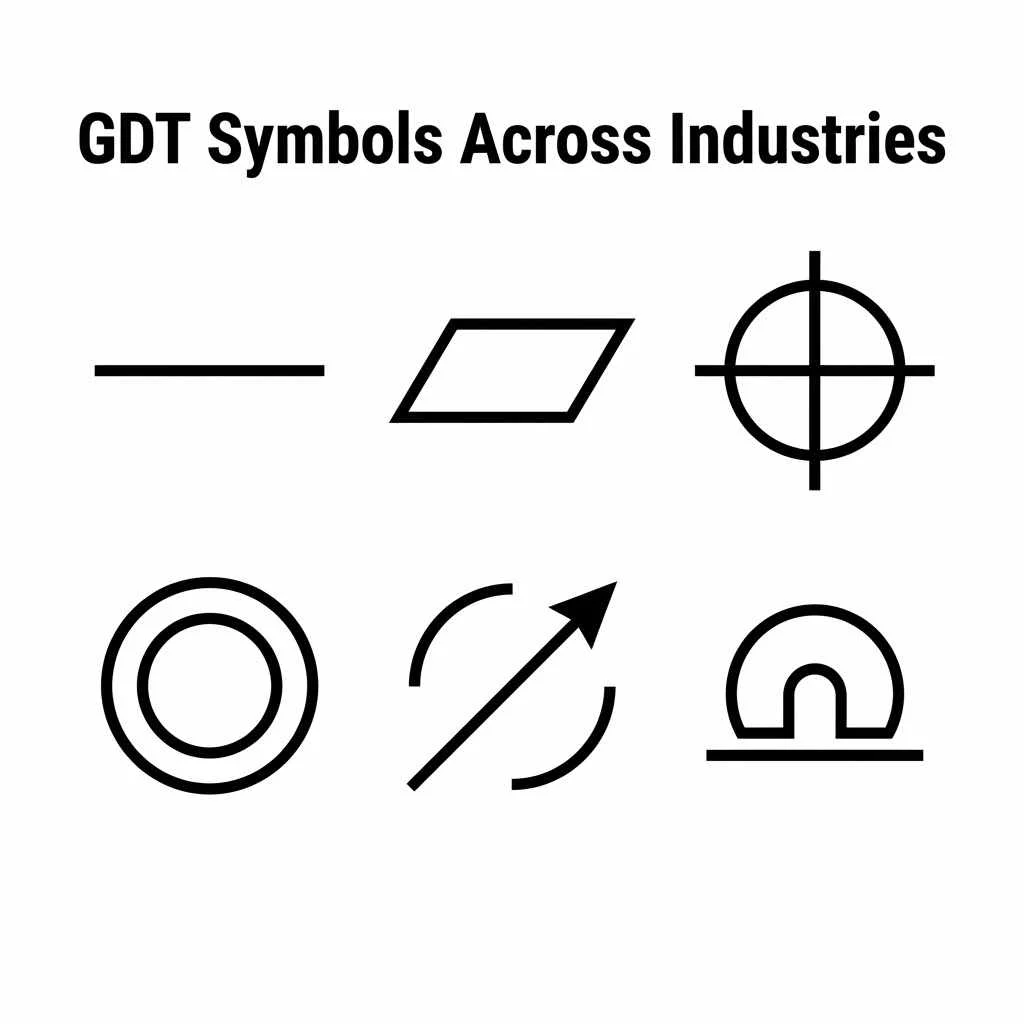
GDT Symbols Across Industries
Aerospace Industry
Precision is critical in aircraft components. GDT symbols ensure safety and performance under extreme conditions.
Automotive Industry
These symbols help maintain consistency in mass production, ensuring parts fit perfectly across thousands of vehicles.
Medical Devices
Instruments and implants require extreme accuracy. GDT symbols guarantee reliability and safety.
Electronics
Miniaturized components rely on tight tolerances, making GDT essential for functionality.
Manufacturing and Machinery
From small tools to heavy equipment, GDT symbols ensure durability and efficiency.
GDT Symbols in Real Life Applications
GDT symbols are not just technical marks. They directly impact everyday life.
- The smooth functioning of a car engine
- The precision of a smartphone component
- The safety of an airplane
- The reliability of medical equipment
Every time you use a well-designed product, GDT symbols have played a role behind the scenes.
Spiritual and Conceptual Meaning of GDT Symbols
Seeing or thinking about GDT symbols can symbolize structure in chaos. They remind us that even complex systems can be understood and controlled with the right approach.
They also represent discipline and attention to detail, qualities that are essential for success in any field.
Positive vs Negative Meaning
Positive Meaning
GDT symbols represent precision, clarity, and reliability. They ensure quality and reduce errors in production.
Negative Meaning
They can also represent rigidity and complexity. For beginners, they may feel overwhelming and difficult to understand.
Why Humans Are Attracted to GDT Symbols
Humans naturally seek order and structure. GDT symbols provide a clear system that transforms complex designs into understandable instructions.
They also create confidence. When a design includes GDT, it signals professionalism and accuracy, which builds trust.
FAQs About GDT Symbols
What does GDT stand for?
GDT stands for Geometric Dimensioning and Tolerancing.
Why are GDT symbols important?
They ensure parts are manufactured correctly and function as intended.
Are GDT symbols used worldwide?
Yes, they follow international standards and are used globally.
Is GDT difficult to learn?
It may seem complex at first, but with practice, it becomes easier to understand.
Where are GDT symbols used?
They are used in engineering drawings, manufacturing, quality control, and product design.
Conclusion
GDT symbols may appear technical, but they are deeply meaningful. They bring order to design, clarity to communication, and precision to production. They ensure that ideas become reality with accuracy and reliability.
In a world driven by innovation, these symbols quietly hold everything together. They remind us that true excellence lies in the details, and even the smallest mark can make a powerful difference.
Discover More Symbols:
- 83+ Magical Symbols of Christmas That Tell the True Story of the Season
- 59+ Amazing Florida State Symbols with Hidden Stories & Interesting Facts
- Warrior Viking Symbols Tattoos That Reveal Fearless Strength And Norse Legacy

Sophia Reed
Hi, I’m Sophia Reed, a storyteller at heart who finds magic in everyday moments. Ever since I could hold a pen, I’ve been weaving tales that explore love, courage, and the unexpected twists of life. Writing allows me to connect with readers on a deeper level, sharing emotions and experiences that resonate across worlds. When I’m not lost in my stories, you can find me wandering through quiet streets, sipping coffee, or dreaming up my next plot twist. I believe every story has the power to inspire, heal, and transport. Through my books, I hope to leave a piece of my imagination with you.
Books:
-
Whispers of the Heart
-
Shadows and Sunlight