
“War symbols” have followed humanity through every battlefield, kingdom, revolution and empire ever created.
From ancient banners soaked in victory to mysterious marks painted on shields and armor, these symbols carried more than decoration.
They carried fear, hope, pride, sacrifice, and survival. Across centuries, people have looked at war symbols not just as signs of conflict but as powerful reflections of human emotion and identity.
Some inspire courage while others remind us of destruction and loss.
What Are War Symbols?
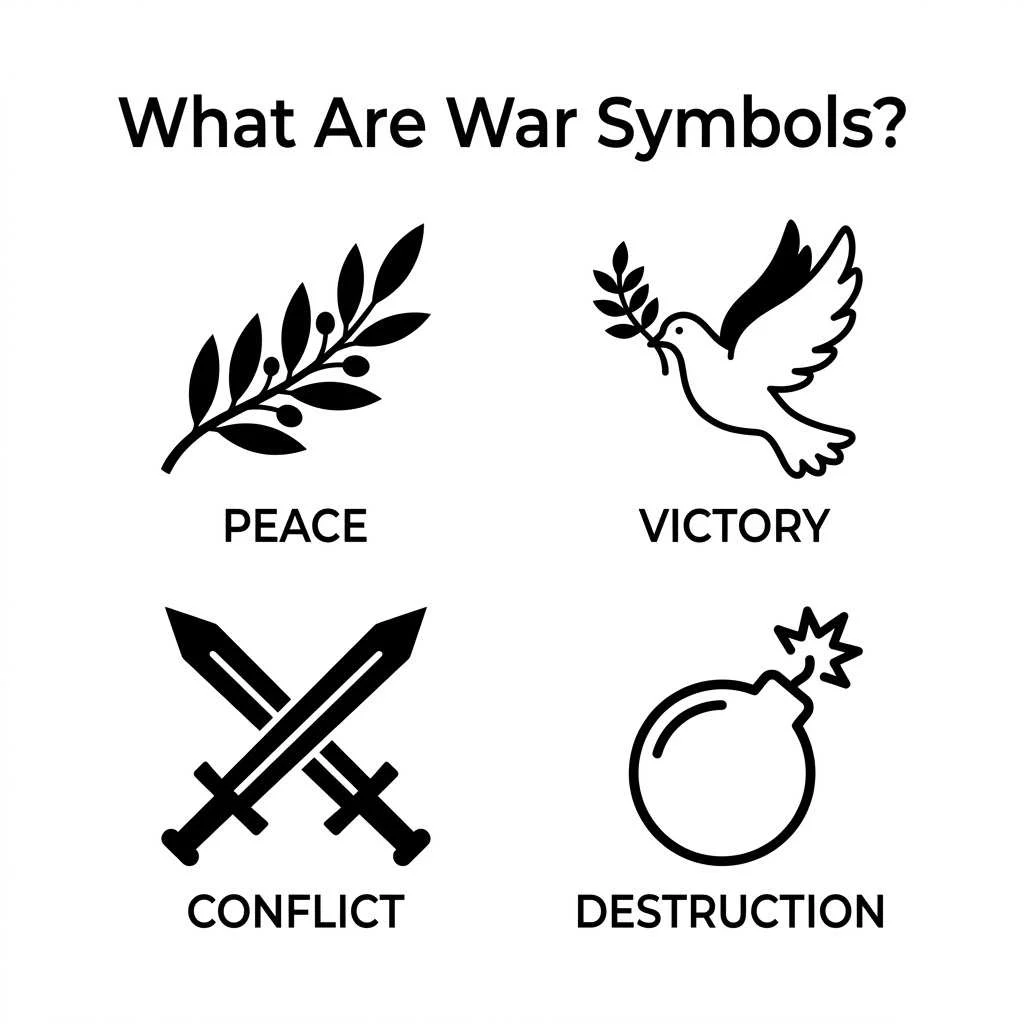
War symbols are visual signs, objects, colors, animals, emblems, or marks connected to warfare, military power, resistance, victory, sacrifice, or protection. Civilizations throughout history used these symbols to unite armies, intimidate enemies, honor warriors, and preserve cultural identity.
In ancient times, soldiers marched behind symbols that represented their gods, kings, or tribes. Roman legions carried eagle standards. Viking warriors painted symbols on shields for strength and divine protection. Samurai clans in Japan used family crests called mon to identify loyalty and honor on chaotic battlefields.
These symbols became emotional anchors during moments of fear and uncertainty. A single flag waving during war could give thousands of exhausted soldiers the strength to continue fighting. Even today, military insignias, medals, and national emblems still hold deep emotional value.
War symbols are not always about violence. Many also represent bravery, sacrifice, resilience, unity, and the human desire to protect loved ones and homeland.
Deep Symbolic Meaning of War Symbols
Spiritual Meaning
On a spiritual level, war symbols often represent protection, destiny, courage, and divine power. Ancient warriors believed certain symbols connected them with gods or spiritual forces that guarded them during battle.
For example, the Norse Valknut symbol was associated with Odin and fallen warriors entering the afterlife. In many cultures, carrying a sacred war symbol meant carrying spiritual armor.
War symbols also represent the eternal struggle between chaos and order. Many spiritual traditions view war not only as physical conflict but as an inner battle between fear and strength, darkness and wisdom.
Psychological Meaning
Psychologically, war symbols trigger strong emotional responses because they connect deeply with survival instincts. Humans naturally react to symbols of power, protection, danger, and unity.
A military flag, for instance, can create feelings of belonging and loyalty. Symbols used in war also influence morale. Throughout history, victorious armies often used bold animals like lions, wolves, eagles, or dragons because these creatures represented dominance and fearlessness.
Even modern logos used by military organizations rely heavily on psychological symbolism. Sharp shapes, dark colors, and powerful imagery create authority and discipline.
Cultural Meaning
Culturally, war symbols preserve stories of nations, heroes, and historical struggles. They remind societies of battles won, sacrifices made, and lessons learned.
Many countries still honor ancient war symbols during ceremonies, parades, and memorial events. These symbols become part of collective memory and national identity.
For some cultures, war symbols are sacred reminders of resistance against oppression. For others, they serve as warnings about the cost of violence and conflict.
Powerful Types of War Symbols and Their Meanings
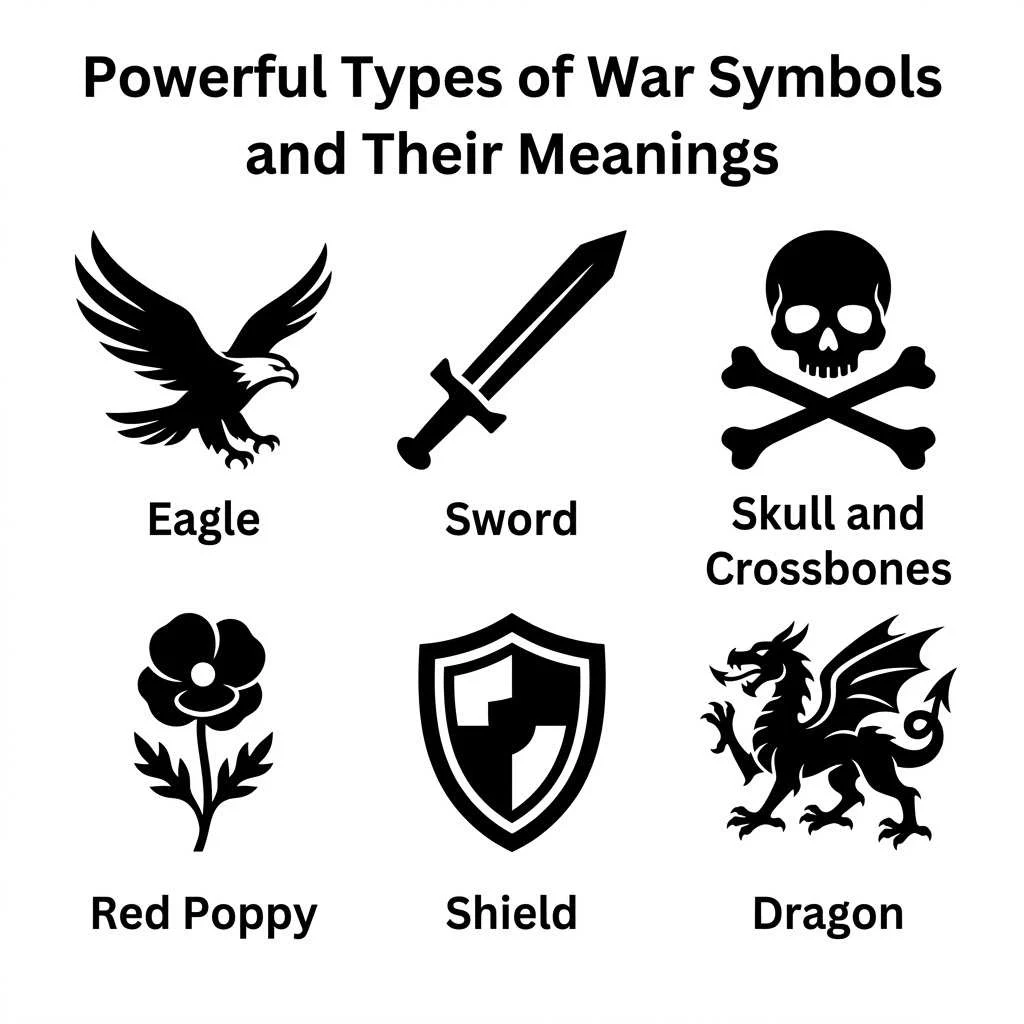
Eagle Symbol
Visual Description
A large eagle with spread wings, often shown holding weapons, lightning, or shields.
Meaning
The eagle symbolizes power, victory, dominance, freedom, and military strength.
Where It Appears
Ancient Rome, Nazi Germany, the United States, military flags, coins, and imperial emblems.
The Roman eagle standard was one of the most feared symbols in ancient warfare. Losing it in battle was considered a devastating humiliation.
Sword Symbol
Visual Description
A sharp blade, often upright or crossed with another sword.
Meaning
The sword represents honor, justice, sacrifice, protection, and warfare.
Where It Appears
Medieval Europe, Japanese samurai culture, religious artwork, fantasy stories, and military insignias.
Swords often symbolize the warrior spirit and the responsibility that comes with power.
Skull and Crossbones
Visual Description
A human skull above crossed bones.
Meaning
Death, danger, rebellion, fearlessness, and mortality.
Where It Appears
Pirate flags, military warnings, toxic labels, and wartime imagery.
During war, this symbol was often used to terrify enemies and signal ruthless power.
Red Poppy Symbol
Visual Description
A bright red flower with delicate petals.
Meaning
Remembrance, sacrifice, and honoring fallen soldiers.
Where It Appears
World War memorials, remembrance ceremonies, and military tributes.
The red poppy became famous after World War I because poppies grew across battlefields where soldiers died.
Shield Symbol
Visual Description
A protective armor plate, often decorated with family crests or symbols.
Meaning
Defense, protection, courage, and resilience.
Where It Appears
Ancient Greece, medieval Europe, fantasy art, and military logos.
Shields symbolized survival and the duty to protect one’s people.
Dragon Symbol
Visual Description
A mythical serpent like creature breathing fire.
Meaning
Power, destruction, wisdom, chaos, and invincibility.
Where It Appears
Chinese warfare banners, medieval legends, and fantasy storytelling.
Dragons in war imagery often represented unstoppable strength.
War Symbols Across Cultures
Ancient Roman Culture
Romans used the eagle as the supreme symbol of military authority. Roman standards carried into battle represented the soul of the empire itself. Soldiers would risk their lives to protect these symbols.
Roman war imagery focused heavily on discipline, conquest, and divine destiny.
Viking Culture
Vikings believed symbols could provide supernatural protection during raids and battles. Symbols like the Valknut and Helm of Awe represented courage and fearlessness.
Warriors painted these symbols on shields, weapons, and ships to invoke strength from the gods.
Japanese Samurai Culture
Samurai war symbols reflected honor, loyalty, and discipline. Family crests called mon identified clans during battle. Cherry blossoms also became symbolic because they represented the short and fragile nature of a warrior’s life.
The samurai saw battle as both physical and spiritual.
Native American Cultures
Many Native American tribes used animal symbols during warfare. Eagles, bears, wolves, and hawks represented spiritual guidance and warrior power.
War paint and feathers were deeply symbolic and often connected to visions, protection, and bravery.
Medieval European Culture
In medieval Europe, coats of arms became essential war symbols. Knights carried family emblems into battle to display identity and loyalty.
Lions symbolized courage while crosses often reflected religious devotion during crusades and holy wars.
War Symbols in Art, Movies and Pop Culture
War symbols continue to appear everywhere in modern culture because they instantly communicate emotion and conflict.
In Movies
Films often use war symbols to represent resistance, heroism, or tyranny. The mockingjay pin in The Hunger Games became a symbol of rebellion and hope. In fantasy films, banners and sigils instantly identify kingdoms and alliances.
Military insignias in war movies also create realism and emotional depth.
In Paintings
Historical paintings frequently include swords, flags, horses, and armor to symbolize glory, tragedy, and sacrifice. Artists use these symbols to capture the emotional weight of war.
Paintings of fallen soldiers often include broken weapons or dark skies to symbolize loss and mourning.
In Books
War symbols play major roles in mythology, fantasy novels, and historical literature. Symbols help readers understand loyalty, power struggles, and cultural identity without long explanations.
In Tattoos
Many people choose war related tattoos to honor military service, personal struggles, or emotional battles. Popular designs include swords, helmets, eagles, dog tags, and memorial symbols.
These tattoos often symbolize resilience and survival.
In Fashion
Military inspired fashion has influenced clothing for decades. Camouflage patterns, combat boots, and war inspired jackets became symbols of rebellion, toughness, and independence.
Even luxury fashion brands frequently use military symbolism for dramatic visual impact.
Spiritual and Dream Meaning of War Symbols
Dreaming about war symbols often reflects emotional conflict, stress, fear, or inner transformation.
Seeing Swords in Dreams
This may symbolize personal struggle, difficult decisions, or the need to defend yourself emotionally.
Seeing Flags or Banners
Flags in dreams often represent identity, loyalty, or emotional causes you strongly believe in.
Seeing Battles or Armor
Armor can symbolize emotional protection while battles may reflect internal struggles happening in waking life.
Spiritually, war symbols in meditation or visions may represent the fight between old habits and personal growth. Many people experience these symbols during periods of transformation or emotional hardship.
Positive vs Negative Meaning of War Symbols
War symbols carry both light and darkness because war itself contains both heroism and tragedy.
Positive Meanings
- Courage
- Protection
- Sacrifice
- Unity
- Loyalty
- Strength
- Survival
- Resistance against oppression
Negative Meanings
- Violence
- Destruction
- Fear
- Tyranny
- Death
- Aggression
- Trauma
- Hatred
A sword can defend innocence or spread destruction. A flag can unite people or divide them. This duality is what makes war symbols emotionally powerful and deeply human.
Why Humans Are Attracted to War Symbols
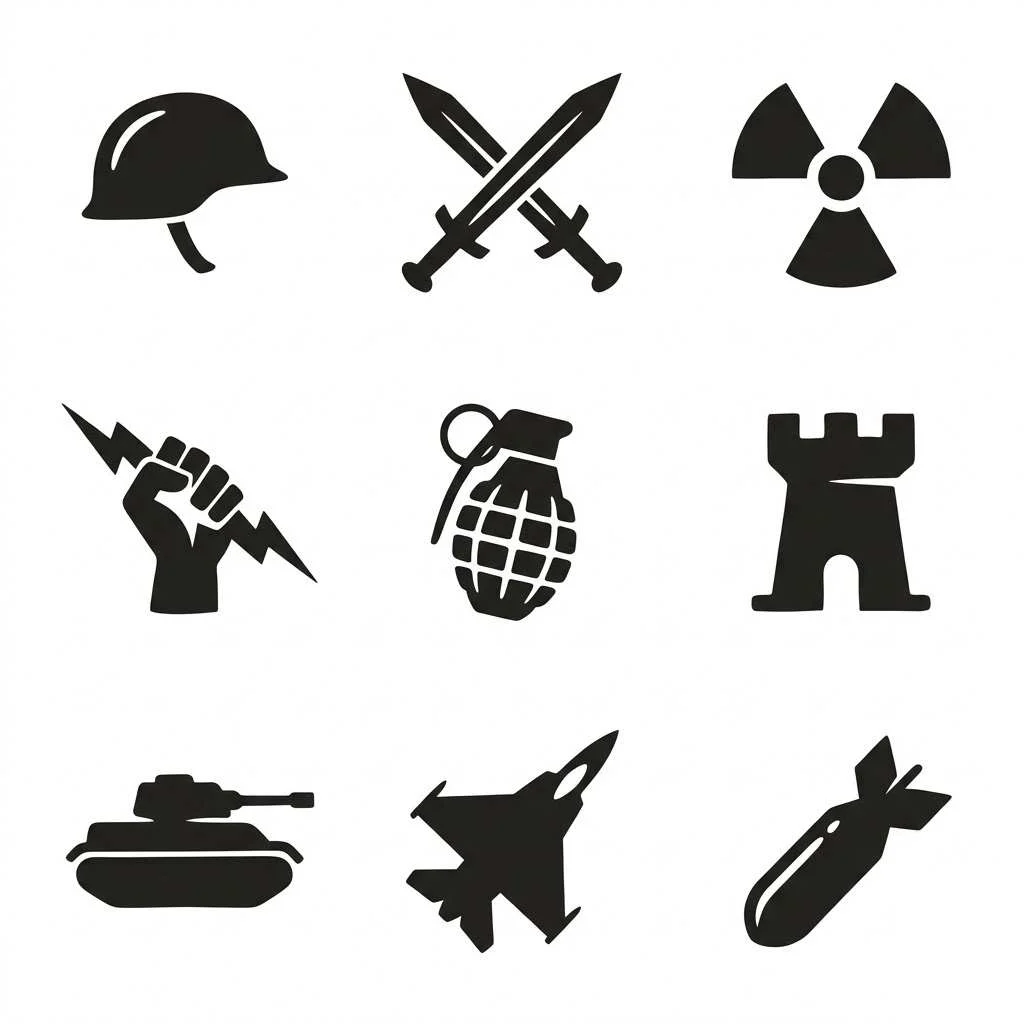
Humans are naturally drawn to war symbols because they connect with primal emotions. These symbols remind people of survival, courage, belonging, and identity.
Throughout history, communities survived by protecting one another. Symbols helped create trust and unity during dangerous times. Even today, people feel emotional reactions when they see military memorials, historical flags, or warrior imagery.
War symbols also attract people because they represent inner battles. Many individuals see their personal struggles reflected in the image of a warrior standing strong against darkness.
Psychologists believe symbols become powerful when they combine emotion with identity. That is exactly what war symbols do. They tell stories without words.
A single symbol on an old battlefield can carry centuries of memory, pain, victory, and sacrifice.
FAQs About War Symbols
What do war symbols represent?
War symbols represent courage, power, sacrifice, protection, fear, resistance, and survival. Their meaning changes depending on culture and history.
What is the most famous war symbol?
The eagle is one of the most famous war symbols because many empires and nations used it to represent strength and dominance.
Why were symbols important in ancient wars?
Ancient armies used symbols for identification, morale, spiritual protection, and communication during battle.
Are war symbols spiritual?
Yes, many war symbols have spiritual meanings connected to divine protection, courage, destiny, and the warrior spirit.
What do war symbols mean in dreams?
In dreams, war symbols often reflect emotional conflict, stress, personal struggles, or transformation.
Why do people use war symbol tattoos?
People use war symbol tattoos to honor military service, remember sacrifice, symbolize strength, or represent personal battles they survived.
Conclusion
War symbols are far more than marks of conflict or military power. They are emotional echoes of humanity’s deepest struggles, victories, fears, and hopes. Across civilizations and generations, these symbols carried stories of sacrifice, courage, identity, and survival.
Some inspire strength while others remind us of the painful cost of violence. Their meaning continues to evolve because the human heart still understands the language of symbols. Long after battles end, the symbols remain, silently telling the stories history never forgets.

Freddie Wood
Hi! I’m Freddie Wood, a storyteller at heart and a lifelong explorer of ideas. Writing has always been my way of making sense of the world, turning ordinary moments into stories that linger in your mind. I love blending emotions with adventure, and I’m fascinated by the way words can connect people across distances and experiences. When I’m not writing, you’ll find me wandering through nature, listening to music, or sketching out ideas for my next story. My goal is always to create books that stay with readers long after the last page.
Books by Freddie Wood:
-
The Hidden Path
-
Shadows of Tomorrow