
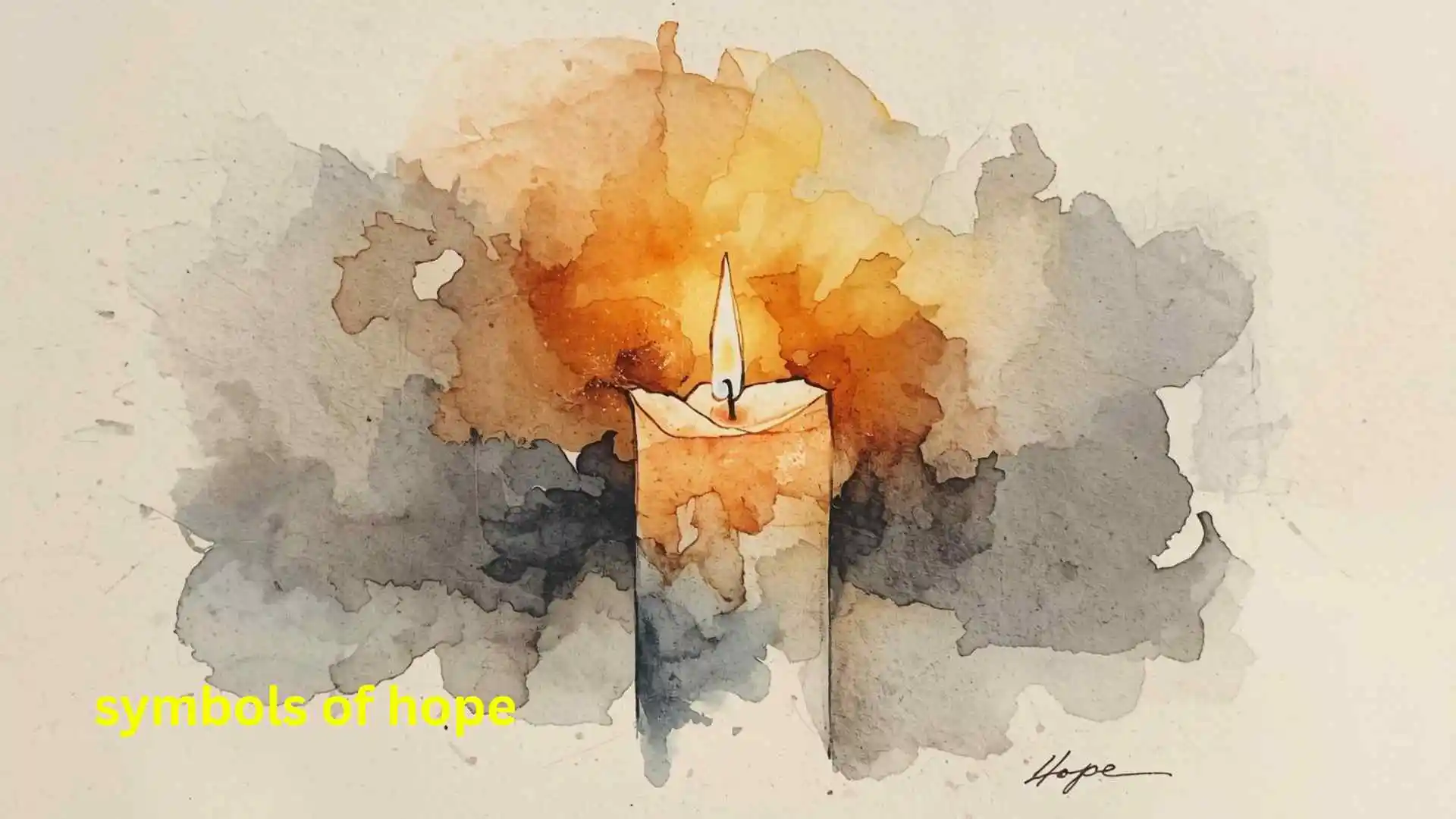
There are moments in life when everything feels uncertain, heavy, and almost impossible to move through. In those moments, a single image, object, or symbol can quietly remind us that light still exists.
Across human history, people have always created symbols of hope to survive darkness, war, loss, and change. These symbols are more than just drawings or cultural signs—they carry emotional power, spiritual meaning, and deep psychological comfort.
In this article, you will discover the hidden meanings behind the most powerful symbols of hope and how they continue to guide humanity even today in 2026.
What Are Symbols of Hope?
Symbols of hope are visual or cultural representations that express optimism, renewal, and the belief in a better future. They can be found in nature, religion, mythology, art, and even modern pop culture.
Historically, humans used symbols to communicate emotions that words could not fully express. Before written language became widespread, symbols like light, animals, and natural elements were used to represent survival, faith, and rebirth.
For example:
- A rising sun symbolized a new beginning.
- A dove represented peace after conflict.
- A candle stood for guidance in darkness.
These meanings evolved over thousands of years, but their emotional power remains the same.
Deep Symbolic Meaning of Hope Symbols
Spiritual Meaning
On a spiritual level, symbols of hope represent divine guidance and renewal. Many religions use light, wings, and sacred animals to show that higher forces are watching over humanity.
They remind believers that suffering is temporary and transformation is always possible.
Psychological Meaning
Psychologically, hope symbols activate a sense of safety and motivation in the human brain. When people see familiar hopeful imagery, the mind associates it with recovery, progress, and emotional healing.
This is why hospitals, memorials, and therapy spaces often include calming symbols.
Cultural Meaning
Culturally, hope symbols unify communities during hardship. Whether during wars, disasters, or social change, societies rely on shared symbols to maintain emotional strength and identity.
They become silent languages of resilience.
Types and Variations of Symbols of Hope
1. The Dove
- Visual: A white bird, often shown flying with olive branches.
- Meaning: Peace, reconciliation, and new beginnings.
- Where it appears: Christianity, ancient Mesopotamia, modern peace movements.
2. The Rising Sun
- Visual: Sun appearing over the horizon.
- Meaning: Renewal, fresh starts, and enlightenment.
- Where it appears: Japanese culture, ancient Egyptian mythology, modern logos.
3. The Anchor
- Visual: A metal hook used by ships.
- Meaning: Stability during emotional storms.
- Where it appears: Maritime cultures, tattoos, Christian symbolism.
4. The Butterfly
- Visual: A delicate insect with colorful wings.
- Meaning: Transformation, rebirth, and personal growth.
- Where it appears: Greek mythology, modern psychology, spiritual teachings.
5. The Candle
- Visual: A small flame in darkness.
- Meaning: Guidance, faith, and inner strength.
- Where it appears: Religious rituals, memorials, meditation practices.
6. The Rainbow
- Visual: Colorful arc after rain.
- Meaning: Promise, harmony, and emotional healing.
- Where it appears: Biblical stories, LGBTQ+ pride, global symbolism.
Symbols of Hope Across Cultures
Ancient Egypt
The sun god Ra represented life, rebirth, and cosmic order. The rising sun symbolized daily renewal and eternal hope.
Greek Civilization
The myth of Pandora’s box shows that even after suffering, hope remains as a guiding force for humanity.
Christianity
The dove, cross, and light symbolize salvation, forgiveness, and divine hope.
Native American Cultures
Animals like the eagle represent spiritual vision and connection to higher realms.
Eastern Cultures
In China and Japan, the lotus flower represents rising above suffering into purity and enlightenment.
Symbols of Hope in Art, Movies & Pop Culture
In modern storytelling, symbols of hope are everywhere because they emotionally connect with audiences.
- Movies: In films like The Shawshank Redemption, light and birds symbolize freedom and hope.
- Paintings: Renaissance art often uses light beams to show divine hope.
- Books: Literature frequently uses journeys and rising suns as metaphors for personal transformation.
- Tattoos: People choose anchors, butterflies, and stars as permanent reminders of survival.
- Fashion: Designers use rainbow and floral motifs to express positivity and identity.
These symbols help people carry hope visually in everyday life.
Spiritual & Dream Meaning of Symbols of Hope
When people see hope symbols in dreams, it often reflects inner healing or emotional transition.
- Seeing a light or sun in dreams may indicate clarity after confusion.
- A butterfly can signal personal transformation.
- A dove may represent forgiveness or peace entering your life.
In meditation and spiritual experiences, these symbols are often interpreted as messages from the subconscious or higher consciousness encouraging emotional recovery.
Positive vs Negative Meanings of Hope Symbols
Interestingly, many symbols of hope can carry dual meanings depending on context:
- Dove: Peace, but also vulnerability.
- Sun: Life, but also intensity or destruction if overwhelming.
- Butterfly: Growth, but also fragility of life.
- Fire/Candle: Guidance, but also danger if uncontrolled.
This duality reminds us that hope is not always simple—it often exists alongside struggle.
Why Humans Are Attracted to Symbols of Hope
From a psychological perspective, humans are naturally drawn to patterns that represent safety and survival.
Symbols of hope:
- Reduce anxiety by offering meaning
- Help people process trauma
- Create emotional grounding in chaos
- Strengthen belief in future possibilities
From childhood to adulthood, we subconsciously look for visual reassurance that things can improve. That is why hope symbols feel universally comforting, regardless of culture or language.
FAQs About Symbols of Hope
1. What are the most common symbols of hope?
Doves, suns, butterflies, anchors, rainbows, and candles are the most widely recognized.
2. Why do cultures use symbols of hope?
They help express emotional ideas like healing, survival, and renewal that words alone cannot fully capture.
3. Is the butterfly a symbol of hope?
Yes, it represents transformation, rebirth, and emotional growth.
4. What does the rainbow symbolize?
It represents promise, peace, and the idea of brighter times after hardship.
5. Are symbols of hope religious?
Some are religious, but many are universal and appear across multiple belief systems.
6. Why do people tattoo symbols of hope?
To carry personal reminders of strength, survival, or transformation permanently.
7. Can dreams show symbols of hope?
Yes, many people experience hopeful symbols in dreams during emotional recovery or life transitions.
Conclusion
Symbols of hope are not just cultural decorations—they are emotional lifelines that have guided humanity through its darkest and brightest moments. From ancient civilizations to modern storytelling, these symbols remind us that change is always possible and renewal is always within reach.
In a world that constantly shifts and challenges us, hope symbols quietly continue to whisper the same message across time: no matter how deep the darkness, light always returns.

Julian Shaw
I’ve always been fascinated by the small, quiet stories that make life feel magical. Writing allows me to explore worlds that exist just beyond the everyday, where imagination meets reality. Over the years, I’ve found joy in creating characters that feel real and stories that stay with readers long after the last page. When I’m not writing, you can usually find me wandering through city streets, notebook in hand, capturing little sparks of inspiration. I believe every story has the power to connect us, to make us feel a little less alone. Sharing these tales is my way of leaving a mark on the world.
Books:
-
Whispers in the Wind
-
Shadows of Tomorrow