
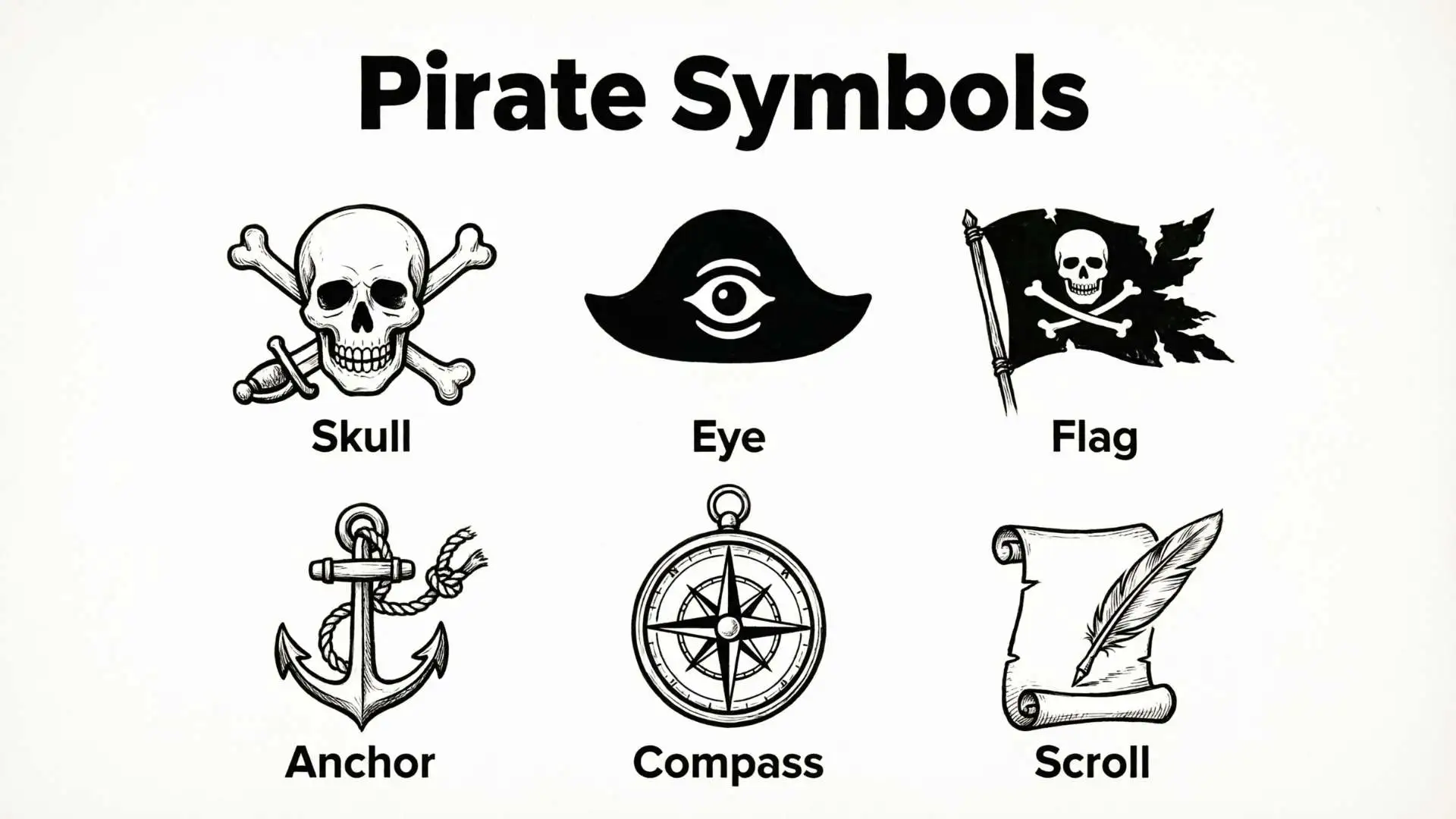
“Pirate symbols” have fascinated human imagination for centuries with their mystery, rebellion, danger and freedom.
From black flags waving across stormy oceans to skulls carved onto hidden treasure maps, these symbols speak to something deep inside the human spirit.
They represent fear and courage at the same time, reminding people of adventure, survival and the thin line between chaos and power.
Many people see pirate symbols as simple images, but behind every mark lies a rich story filled with history, psychology, spirituality and cultural meaning.
What Are Pirate Symbols?
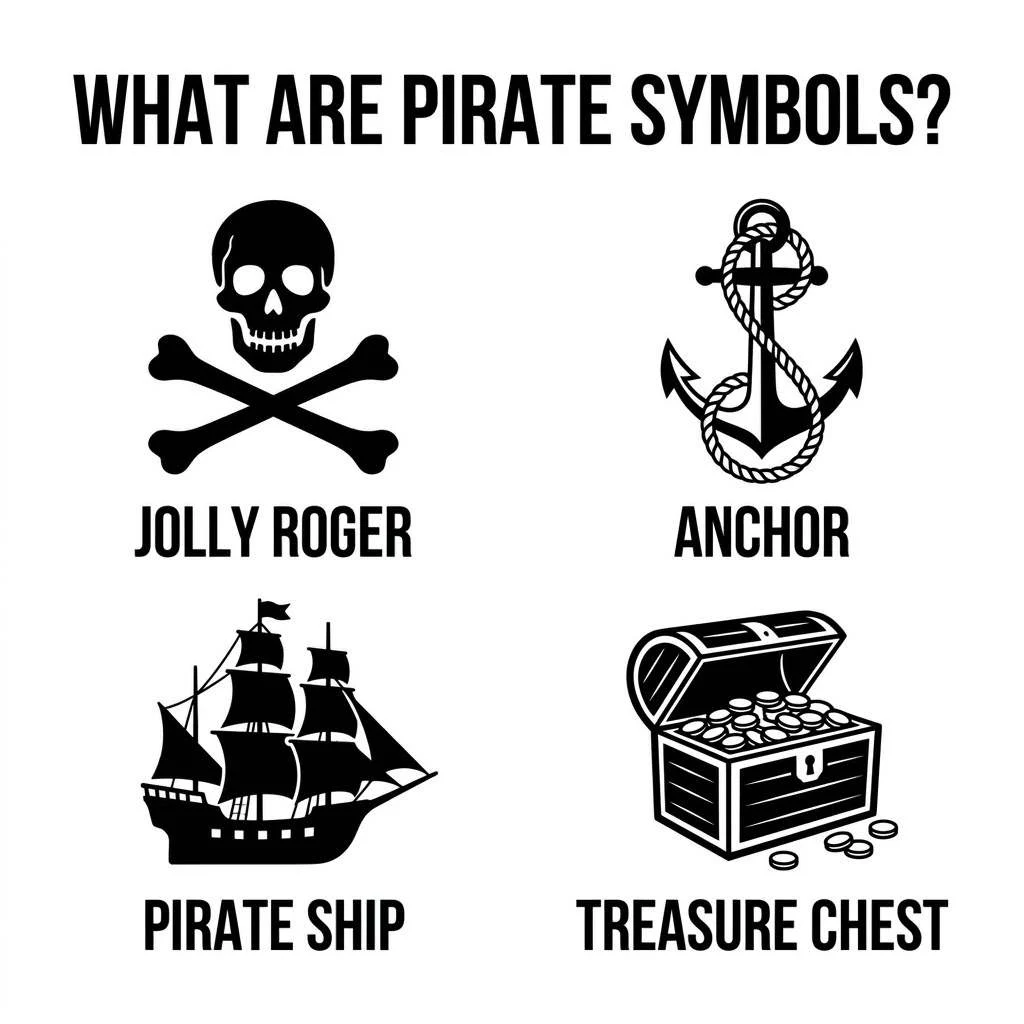
Pirate symbols are visual signs connected to pirates, sailors, naval warfare, hidden treasures, and life at sea. These symbols were used during the Golden Age of Piracy, especially between the late 1600s and early 1700s. Pirates used them to send messages, intimidate enemies, and build their identity.
The most famous pirate symbol is the skull and crossbones, often seen on the Jolly Roger flag. However, pirate symbolism goes far beyond skulls. Ships, anchors, swords, sea monsters, compasses, black flags, parrots, mermaids, and treasure chests all became part of pirate culture and mythology.
Historically, pirates lived outside the law. They challenged powerful empires and created their own codes and brotherhoods. Their symbols reflected rebellion, danger, freedom, and survival. Over time, pirate symbols moved beyond the sea and entered literature, films, tattoos, fashion, and modern art.
Today, these symbols still hold emotional power because they represent humanity’s desire to break boundaries and seek adventure.
Deep Symbolic Meaning of Pirate Symbols
Spiritual Meaning
On a spiritual level, pirate symbols often represent freedom from limitations. Pirates crossed unknown oceans and faced death every day. Their symbols remind people to live boldly and fearlessly.
The sea itself symbolizes the unconscious mind and spiritual mystery. A pirate sailing into dark waters reflects a soul searching for truth beyond ordinary life. The skull, one of the most common pirate symbols, represents mortality and transformation. It reminds people that life is temporary and that every moment matters.
Many spiritual thinkers also view pirate imagery as a symbol of personal liberation. Pirates rejected strict systems and followed their own path, even when society condemned them.
Psychological Meaning
Psychologically, pirate symbols awaken hidden emotions connected to risk, independence, and rebellion. Humans naturally feel drawn to stories of rule breakers because they reflect a secret desire for freedom.
A pirate flag creates instant emotional tension. The black background symbolizes the unknown while the skull warns of danger. This combination triggers primal emotions linked to fear and survival.
People who wear pirate tattoos or decorate with pirate imagery often connect with ideas like strength, adventure, resilience, and individuality. Pirate symbols can also reflect the “shadow self,” a psychological concept describing hidden desires and untamed instincts.
Cultural Meaning
Culturally, pirate symbols became icons of resistance and adventure. In many stories, pirates are portrayed as villains. In others, they become heroes who challenge corrupt systems.
Modern culture transformed pirate imagery into symbols of courage, exploration, and nonconformity. Pirate flags appear in sports, music, gaming, and fashion because they communicate boldness and identity.
Even children grow up fascinated by pirates because pirate symbols mix fear with fantasy in a thrilling way.
Types and Variations of Pirate Symbols
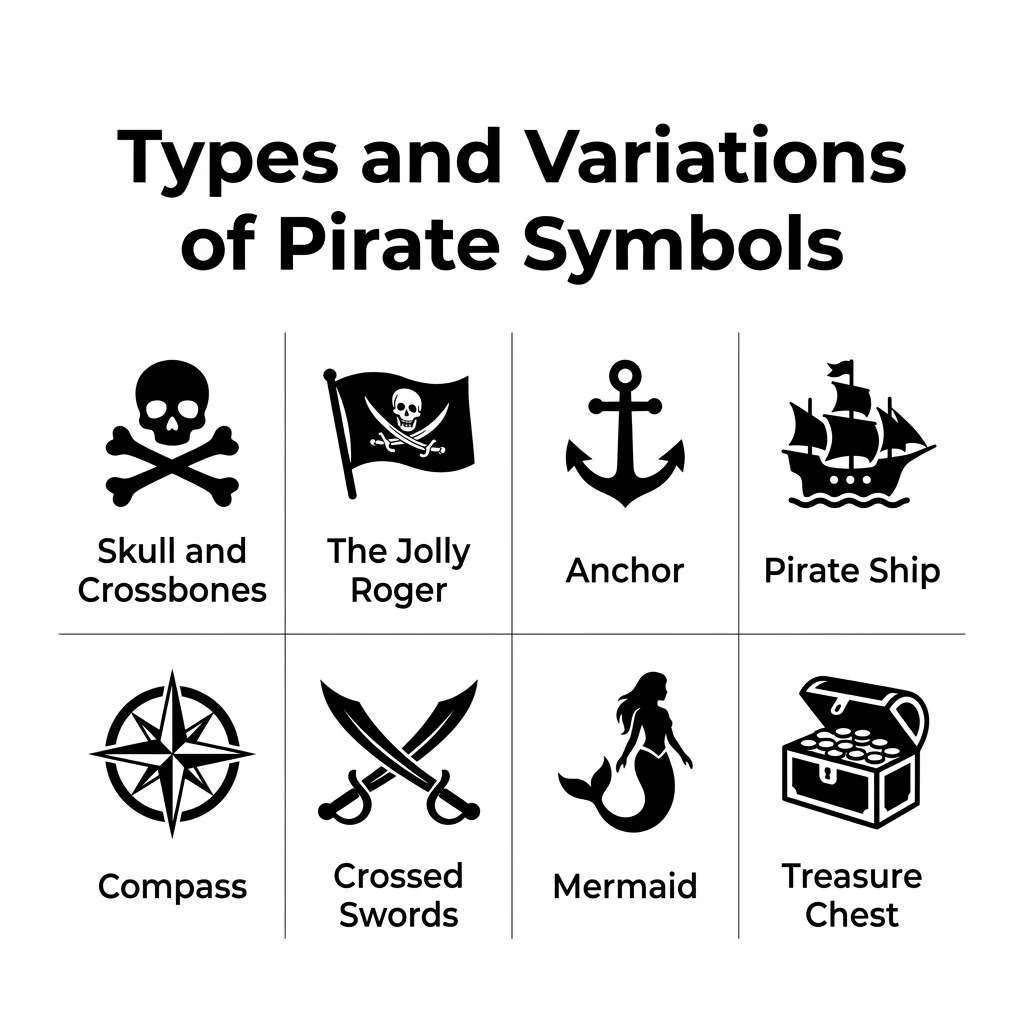
Skull and Crossbones
Visual Description
A human skull placed above crossed bones, usually on a black background.
Meaning
This symbol represents death, danger, fearlessness, and mortality. Pirates used it to terrify enemy ships and force surrender without battle.
Where It Appears
It appears in pirate flags, tattoos, movies, warning signs, video games, and gothic art.
The Jolly Roger
Visual Description
A black pirate flag featuring skulls, skeletons, swords, or hourglasses.
Meaning
The Jolly Roger symbolized fear and psychological warfare. Pirates raised it before attacks to warn victims that resistance could lead to death.
Where It Appears
It appears in historical records, films, novels, theme parks, and pirate festivals.
Anchor
Visual Description
A heavy metal anchor with curved hooks.
Meaning
The anchor symbolizes stability, hope, grounding, and survival during storms. Among pirates and sailors, it also represented loyalty and safe return.
Where It Appears
It appears in maritime tattoos, naval emblems, jewelry, and religious symbolism.
Pirate Ship
Visual Description
A large sailing ship with dark sails and cannons.
Meaning
The pirate ship symbolizes freedom, exploration, power, and life beyond society’s rules.
Where It Appears
It appears in paintings, adventure novels, films, and fantasy artwork.
Compass
Visual Description
A circular navigation tool showing directions.
Meaning
The compass represents guidance, destiny, and finding one’s path through uncertainty.
Where It Appears
It appears in tattoos, travel symbols, nautical art, and spiritual imagery.
Crossed Swords
Visual Description
Two swords crossing each other.
Meaning
This symbol represents combat, bravery, honor, and readiness for battle.
Where It Appears
It appears in pirate flags, military symbols, fantasy stories, and tattoos.
Mermaid
Visual Description
A mythical sea woman with a fish tail.
Meaning
Mermaids symbolize temptation, mystery, beauty, and emotional danger.
Where It Appears
They appear in sailor legends, fantasy art, films, and maritime folklore.
Treasure Chest
Visual Description
A wooden chest filled with gold and jewels.
Meaning
The treasure chest symbolizes hidden desires, rewards, greed, and the pursuit of dreams.
Where It Appears
It appears in pirate stories, games, cartoons, and symbolic artwork.
Pirate Symbols Across Cultures
Caribbean Pirate Culture
The Caribbean became the heart of piracy during the Golden Age of Pirates. Symbols there focused on fear, rebellion, and naval power. Black flags and skulls warned enemies that pirates lived outside established law.
European Maritime Traditions
In Europe, pirate symbols mixed with naval and religious imagery. Anchors symbolized faith and hope while ships represented destiny and exploration. European folklore also linked pirates with curses and ghost ships.
Asian Sea Legends
In parts of Asia, sea raiders and pirates had different symbolic traditions. Dragons often appeared on ships as signs of strength and protection. Water symbols represented balance, danger, and spiritual transformation.
Norse and Viking Influence
Although Vikings existed before classic pirates, many pirate symbols borrow from Viking imagery. Long ships, ravens, axes, and ocean storms symbolized conquest and fearless exploration.
Modern Western Culture
Today, Western culture often romanticizes pirate symbols. Instead of pure fear, they now represent adventure, freedom, and individuality. Pirate festivals, sports logos, and entertainment transformed these once terrifying signs into symbols of excitement and imagination.
Pirate Symbols in Art, Movies and Pop Culture
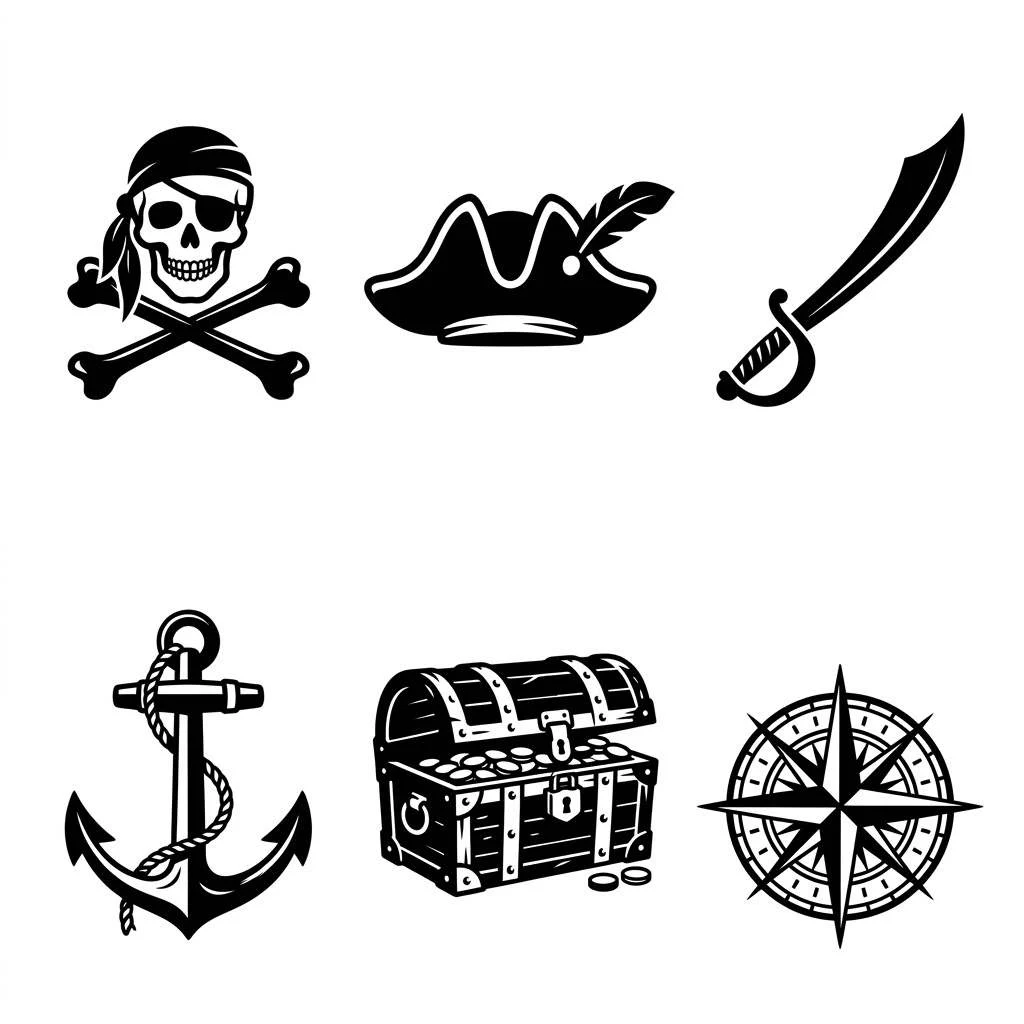
Pirate symbols became deeply embedded in global entertainment and artistic expression. Their dramatic appearance makes them visually unforgettable.
Movies
Films helped shape the modern image of pirate symbols. Black flags, treasure maps, and skeletal imagery became cinematic icons of adventure and danger. Pirate characters often use these symbols to show rebellion and charisma.
The skull and crossbones especially became a universal visual shortcut for danger and excitement.
Paintings and Art
Artists use pirate imagery to explore themes like chaos, freedom, greed, and survival. Stormy oceans, broken ships, and dark flags create emotional intensity in paintings.
Many modern artists also use pirate symbols to criticize authority or celebrate individuality.
Books and Literature
Adventure novels turned pirate symbols into legendary storytelling tools. Treasure maps marked with an “X” became one of literature’s most recognizable images.
Pirate symbolism in books often represents the human desire for freedom and hidden treasure, both physical and emotional.
Tattoos
Pirate tattoos remain popular because they carry deep symbolic meanings. Skull tattoos may represent survival after hardship while anchors symbolize stability and loyalty.
Compass tattoos inspired by pirate culture often represent personal direction and spiritual journeys.
Fashion
Pirate inspired fashion uses dark colors, skulls, leather, and nautical imagery to create bold and rebellious styles. These symbols appeal to people who want to express independence and confidence.
Spiritual and Dream Meaning of Pirate Symbols
Dreaming about pirate symbols often reflects emotional struggles, hidden desires, or personal transformation.
Dreaming of a Pirate Ship
A pirate ship in dreams may symbolize a journey into the unknown. It can represent risk taking, emotional freedom, or a desire to escape limitations.
Dreaming of a Skull
A skull in dreams often symbolizes endings and transformation rather than literal death. It may signal personal growth or the need to let go of fear.
Dreaming of Treasure
Treasure symbolizes hidden potential and emotional rewards. It can suggest that something valuable exists within the dreamer’s subconscious mind.
Seeing Pirate Symbols During Meditation
Some people report seeing oceans, ships, or pirate imagery during spiritual reflection. These symbols may represent exploration of the inner self and the courage to face emotional darkness.
Spiritually, pirate symbols remind people that growth often requires risk and uncertainty.
Positive vs Negative Meaning of Pirate Symbols
Pirate symbols carry both light and dark meanings depending on interpretation.
Positive Meanings
- Freedom and independence
- Courage and resilience
- Adventure and exploration
- Brotherhood and loyalty
- Strength during hardship
- Breaking personal limitations
Negative Meanings
- Violence and destruction
- Greed and selfishness
- Lawlessness and chaos
- Fear and intimidation
- Betrayal and danger
- Obsession with power
This duality is one reason pirate symbols remain so emotionally powerful. They reflect the complexity of human nature itself. Every person contains both order and rebellion, hope and darkness.
Why Humans Are Attracted to Pirate Symbols
Humans feel deeply attracted to pirate symbols because they awaken ancient emotions connected to freedom, danger, and discovery.
Modern life often feels controlled by rules, routines, and expectations. Pirate imagery offers an escape from that structure. A black flag blowing in the wind represents total independence and fearless living.
Psychologists believe people are naturally fascinated by rebellious figures because they express hidden desires people may suppress in daily life. Pirates crossed forbidden boundaries and lived by their own rules.
Children especially love pirate symbols because they combine fantasy with adventure. Treasure maps and mysterious islands awaken curiosity and imagination.
Adults connect with pirate imagery for deeper emotional reasons. A compass may symbolize finding direction in life. A ship may represent survival through emotional storms. A skull may remind someone to live fully before time runs out.
Pirate symbols endure because they speak directly to universal human emotions.
FAQs About Pirate Symbols
What is the most famous pirate symbol?
The most famous pirate symbol is the skull and crossbones, also called the Jolly Roger. It represented danger, death, and pirate identity.
What do pirate flags symbolize?
Pirate flags symbolized intimidation and warning. Pirates used them to frighten enemy ships into surrendering quickly.
Are pirate symbols considered lucky?
Some pirate related symbols like anchors and compasses are considered lucky because they represent safety, guidance, and protection during journeys.
Why do people get pirate tattoos?
People choose pirate tattoos to symbolize freedom, strength, adventure, rebellion, survival, or personal transformation.
What does a pirate ship symbolize spiritually?
Spiritually, a pirate ship represents exploration of the unknown, emotional courage, and freedom from limitations.
Why are pirate symbols still popular today?
Pirate symbols remain popular because they combine mystery, adventure, rebellion, and emotional depth in a visually powerful way.
Conclusion
Pirate symbols are far more than old signs painted on black sails. They carry centuries of human emotion, fear, courage, freedom and imagination within their designs. From skulls and ships to compasses and treasure chests, each symbol tells a story about the human desire to explore the unknown and live without limits.
Their meanings continue to evolve through culture, art, dreams and personal identity. Even today, pirate symbols remind people that life itself is an unpredictable ocean filled with danger, mystery and hidden treasure waiting to be discovered.

Nora Bennett
Nora Bennett is a storyteller at heart, always finding magic in the everyday moments of life. From a young age, she discovered the joy of weaving emotions into words, creating characters that feel like old friends. Writing, for her, is both an adventure and a sanctuary—a way to explore the world and herself. She loves connecting with readers who share her passion for heartfelt stories and unforgettable journeys. When she’s not crafting her next tale, Nora enjoys quiet mornings with a cup of coffee and a notebook full of ideas. Her stories are meant to inspire, comfort, and spark imagination in everyone who reads them.
Books:
-
Whispers of Yesterday
-
Echoes of Tomorrow