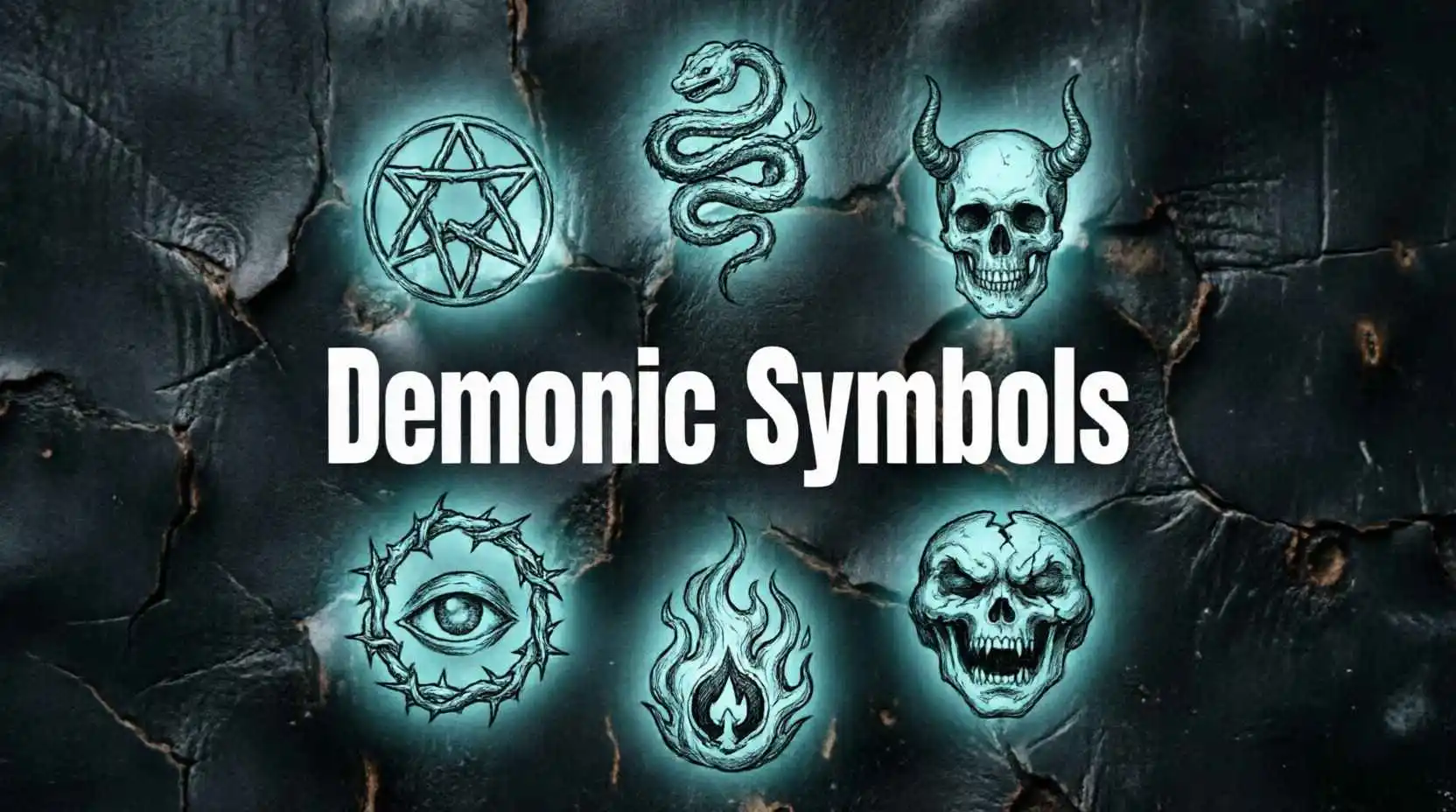
“Demonic symbols” have fascinated humanity for centuries, appearing in ancient temples, forbidden books, horror films, secret rituals and even modern fashion.
These mysterious signs often awaken fear, curiosity, and deep emotional reactions because they touch the hidden corners of the human mind.
Across history, people believed certain symbols could summon dark forces, protect against evil, or reveal forbidden knowledge.
From medieval demonology to modern pop culture, demonic symbols continue to carry intense spiritual and psychological power. Some are misunderstood ancient signs while others were created through myth, religion and fear.
Behind every dark mark lies a story of human belief, imagination, and the eternal struggle between light and darkness.
What Are Demonic Symbols?
Demonic symbols are visual signs associated with demons, dark spiritual entities, occult traditions, forbidden rituals, and supernatural beliefs. These symbols appear in religious texts, ancient mythology, grimoires, magical traditions, and horror stories. People throughout history believed these marks could communicate with spirits, protect against evil forces, or represent hidden powers beyond human understanding.
Some demonic symbols originated from ancient pagan cultures while others emerged during the medieval period when fear of witchcraft and demonology spread across Europe. Religious authorities often labeled unfamiliar spiritual symbols as evil, especially during times of social panic and persecution. Over time, many symbols became connected to darkness through stories, legends, and cultural fear.
Today, demonic symbols appear in tattoos, music, movies, games, clothing, and internet culture. While many people use them for artistic or rebellious expression, others still view them as spiritually dangerous or deeply sacred. Their meaning often depends on culture, belief, and personal interpretation.
The Deep Symbolic Meaning of Demonic Symbols
Spiritual Meaning
Spiritually, demonic symbols are often connected to forbidden knowledge, temptation, chaos, rebellion, and hidden dimensions of existence. Many traditions believed these symbols acted as gateways between the human world and supernatural realms.
In ancient occult practices, certain symbols were used during rituals to summon spirits or seek supernatural wisdom. Some believers feared these marks because they represented spiritual corruption or separation from divine light. Others saw them as symbols of power and transformation.
The emotional intensity behind these symbols comes from humanity’s ancient fear of the unknown. Darkness has always represented mystery, danger, death, and forces beyond human control.
Psychological Meaning
Psychologically, demonic symbols reflect the shadow side of the human mind. According to depth psychology, especially the ideas of Carl Jung, humans carry hidden fears, desires, anger, and instincts deep within the subconscious.
Demonic imagery often symbolizes those hidden emotions people struggle to face. The symbols become mirrors of inner conflict, guilt, temptation, or rebellion against social rules. That is why many people feel strangely drawn toward dark symbols even when they fear them.
A person wearing a demonic tattoo may not worship evil at all. Instead, the symbol may represent survival, independence, emotional pain, or resistance against control.
Cultural Meaning
Culturally, demonic symbols have changed dramatically across time. In one society, a symbol may represent protection while another culture may label it evil. Many ancient symbols became feared only after religious conflict or political change.
For example, symbols connected to pagan religions were often demonized after the spread of Christianity in Europe. Ancient gods and protective signs were sometimes reinterpreted as demonic imagery. This transformation reveals how fear and power can reshape cultural meaning over generations.
Most Famous Types of Demonic Symbols
Pentagram
The pentagram is one of the most recognized demonic symbols in the world. It is a five pointed star often enclosed inside a circle.
Visual Description
A geometric star with five points. In occult traditions, an upside down pentagram is especially associated with demonic imagery.
Meaning
The upright pentagram originally symbolized balance, protection, and the harmony of elements. However, the inverted version later became linked with rebellion, darkness, and satanic imagery.
Where It Appears
The pentagram appears in occult books, ceremonial magic, horror films, tattoos, music culture, and medieval grimoires.
Sigil of Lucifer
The Sigil of Lucifer is a famous occult symbol associated with Luciferian traditions.
Visual Description
An intricate symbol containing intersecting lines and a triangular structure.
Meaning
It represents enlightenment, rebellion, personal freedom, and forbidden wisdom. Some followers interpret Lucifer not as pure evil but as a figure connected to knowledge and independence.
Where It Appears
This symbol appears in occult literature, modern spiritual movements, jewelry, tattoos, and internet symbolism.
Baphomet Symbol
The image of Baphomet became one of history’s most controversial occult symbols.
Visual Description
A goat headed figure with wings, horns, and symbolic hand gestures.
Meaning
Baphomet often represents duality, balance between opposites, hidden wisdom, and spiritual transformation. Many misunderstand it purely as a satanic image even though its symbolism is far more complex.
Where It Appears
The symbol appears in occult art, ceremonial traditions, heavy metal culture, films, and conspiracy theories.
Leviathan Cross
The Leviathan Cross is another famous symbol connected with dark spiritual traditions.
Visual Description
A double cross above an infinity symbol.
Meaning
Historically, it represented sulfur in alchemy. Over time, it became linked with eternal existence, rebellion, and occult philosophy.
Where It Appears
It appears in satanic imagery, occult literature, gothic fashion, and symbolic artwork.
Seal of Satan
The Seal of Satan is often used in modern satanic symbolism.
Visual Description
An angular geometric design with sharp intersecting lines.
Meaning
It represents rebellion against authority, self empowerment, and anti religious identity in some modern interpretations.
Where It Appears
This symbol is commonly found in occult communities, digital art, tattoos, and horror entertainment.
Demonic Symbols Across Cultures
Ancient Mesopotamia
In ancient Mesopotamian civilizations, demons were believed to cause illness, nightmares, and disasters. Protective symbols and amulets were used to defend against these spirits. Many dark entities were connected to storms, death, and chaos.
The people of Mesopotamia feared supernatural beings deeply yet also respected their power. Ritual symbols became part of daily spiritual protection.
Ancient Egypt
Ancient Egyptians believed in powerful spiritual beings that could guide or destroy souls in the afterlife. Certain symbols connected with underworld gods carried frightening yet sacred meaning.
Some symbols associated with death and judgment later influenced Western ideas about dark spiritual imagery. However, many Egyptian symbols originally represented balance between life and death rather than pure evil.
Medieval Europe
During the medieval period, Europe experienced widespread fear of witchcraft and demons. Religious authorities created grimoires containing symbols believed to control or summon demonic entities.
This era shaped much of the modern image of demonic symbols. Pentagrams, sigils, and ritual markings became associated with forbidden magic and heresy. Fear spread rapidly through stories of possession and dark rituals.
Japanese Culture
Japanese folklore contains supernatural beings known as yokai and oni. These creatures were not always evil but often represented chaos, suffering, revenge, or spiritual imbalance.
Symbols connected to these entities appeared in masks, paintings, and spiritual traditions. The imagery focused more on fear and transformation rather than absolute evil.
Modern Western Culture
In modern society, demonic symbols often represent rebellion, mystery, individuality, or artistic expression. Music genres like heavy metal and horror cinema helped popularize dark symbolism around the world.
Many people today use these symbols without spiritual intent. For some, the imagery simply reflects emotional struggle, fascination with darkness, or love for gothic aesthetics.
Demonic Symbols in Art, Movies and Pop Culture
Demonic symbols appear constantly in modern entertainment because they create emotional intensity and mystery. Filmmakers use these signs to build fear, suspense, and supernatural atmosphere.
Movies like The Exorcist and Hereditary used occult symbols to deepen psychological horror and spiritual tension. These symbols often appear briefly in the background yet leave powerful emotional impressions on viewers.
In literature, writers have long explored demonic symbolism as a reflection of temptation, corruption, and hidden desire. Books involving forbidden magic frequently include mysterious sigils and ritual markings.
Tattoo culture also embraced demonic symbols because they express pain, survival, rebellion, or fascination with darkness. Some people choose these tattoos during emotionally transformative periods in life.
Fashion brands, album covers, and video games use dark symbolism to create edgy aesthetics and emotional impact. The imagery communicates danger, power, mystery, and nonconformity.
Spiritual and Dream Meaning of Demonic Symbols
Many people report seeing demonic symbols during dreams, meditation, or emotionally intense experiences. These visions can feel frightening because symbols speak directly to the subconscious mind.
Dream interpretation often depends on personal emotion and life circumstances. A demonic symbol in a dream does not automatically mean evil forces are present. In many cases, the symbol represents fear, unresolved trauma, guilt, temptation, anger, or inner transformation.
For example, someone struggling with emotional darkness may dream of occult symbols during stressful periods. The subconscious mind uses symbolic imagery to process hidden emotions.
In spiritual traditions, some believe dark symbols appear during periods of spiritual awakening or psychological conflict. Others see them as warnings to avoid destructive behavior or toxic influences.
The emotional response matters more than the symbol itself. Fearful dreams often reflect internal anxiety rather than supernatural danger.
Positive vs Negative Meaning of Demonic Symbols
One reason demonic symbols remain so controversial is because they can carry both positive and negative meanings depending on interpretation.
Negative Interpretations
Many people associate these symbols with evil, chaos, violence, corruption, and spiritual danger. Religious traditions often warn against occult imagery because of its connection to forbidden practices and dark rituals.
For individuals raised in strict spiritual environments, demonic symbols can trigger fear, guilt, or emotional discomfort. Their meaning becomes deeply connected to morality and spiritual safety.
Positive Interpretations
Others interpret these symbols differently. Some see them as representations of freedom, resistance against oppression, personal transformation, or hidden knowledge.
Artists and spiritual seekers sometimes use dark symbols to confront fear and explore the deeper parts of human identity. In psychology, facing darkness can symbolize healing and self awareness rather than destruction.
This dual meaning explains why the same symbol can terrify one person while empowering another.
Why Humans Are Attracted to Demonic Symbols
Human beings have always been fascinated by darkness. Stories about demons, monsters, and forbidden powers appear in nearly every civilization throughout history.
Part of this attraction comes from curiosity. People naturally want to explore what feels mysterious, dangerous, or hidden. Demonic symbols awaken emotions that ordinary symbols cannot easily trigger. Fear and fascination become emotionally intertwined.
Another reason involves identity and rebellion. Teenagers, artists, musicians, and outsiders often embrace dark imagery because it challenges social expectations. The symbols become emotional armor against judgment and conformity.
Psychologically, humans also seek balance between light and shadow. People are not purely good or purely bad. Everyone carries anger, fear, desire, and pain. Demonic symbols symbolize the hidden side of human nature that society often suppresses.
There is also beauty within darkness. Gothic art, mysterious symbols, candlelit rituals, and ancient occult designs create emotional depth that many people find strangely comforting or inspiring.
Are Demonic Symbols Really Evil?
This question has existed for centuries and the answer depends heavily on belief, culture, and intention.
Some religious traditions strongly believe these symbols invite negative spiritual influence. For believers within those traditions, avoiding demonic imagery becomes an important act of faith and protection.
Others argue that symbols themselves are neutral. According to this perspective, human intention gives meaning to a symbol. A drawing cannot possess power unless people emotionally or spiritually invest power into it.
History shows that many symbols labeled demonic today once had completely different meanings in older cultures. Fear, politics, and religious conflict often changed how societies interpreted spiritual imagery.
Ultimately, the emotional and symbolic power of demonic symbols comes from the human mind itself. They reflect humanity’s deepest fears, desires, and fascination with the unknown.
Frequently Asked Questions About Demonic Symbols
What is the most famous demonic symbol?
The pentagram is widely considered the most famous demonic symbol, especially the inverted version associated with occult traditions and satanic imagery.
Are demonic symbols dangerous?
For many people, these symbols are simply artistic or historical imagery. However, some religious traditions believe they carry negative spiritual energy or influence.
Why do people wear demonic symbol tattoos?
People choose these tattoos for different reasons including artistic expression, rebellion, emotional transformation, fascination with mystery, or spiritual beliefs.
Do demonic symbols appear in ancient cultures?
Yes. Many ancient civilizations used dark spiritual symbols connected to demons, underworld beings, protection rituals, and supernatural beliefs.
Can demonic symbols have positive meanings?
Yes. Some people interpret these symbols as signs of freedom, hidden wisdom, self discovery, transformation, or resistance against control.
What do demonic symbols mean in dreams?
In dreams, demonic symbols often represent fear, inner conflict, emotional struggle, temptation, or subconscious transformation rather than literal evil.
Conclusion
Demonic symbols continue to fascinate humanity because they speak to emotions buried deep within the human soul. They represent fear and curiosity, darkness and transformation, danger and hidden wisdom all at once. Across centuries, these mysterious signs have traveled through religion, mythology, art, psychology, and modern culture carrying meanings far more complex than simple evil.
Some people fear them while others feel strangely drawn toward them. Yet behind every demonic symbol lies a reflection of humanity itself, our shadows, our imagination, and our endless search to understand the unknown. In the end, these symbols reveal as much about human nature as they do about darkness.

Freddie Wood
Hi! I’m Freddie Wood, a storyteller at heart and a lifelong explorer of ideas. Writing has always been my way of making sense of the world, turning ordinary moments into stories that linger in your mind. I love blending emotions with adventure, and I’m fascinated by the way words can connect people across distances and experiences. When I’m not writing, you’ll find me wandering through nature, listening to music, or sketching out ideas for my next story. My goal is always to create books that stay with readers long after the last page.
Books by Freddie Wood:
-
The Hidden Path
-
Shadows of Tomorrow