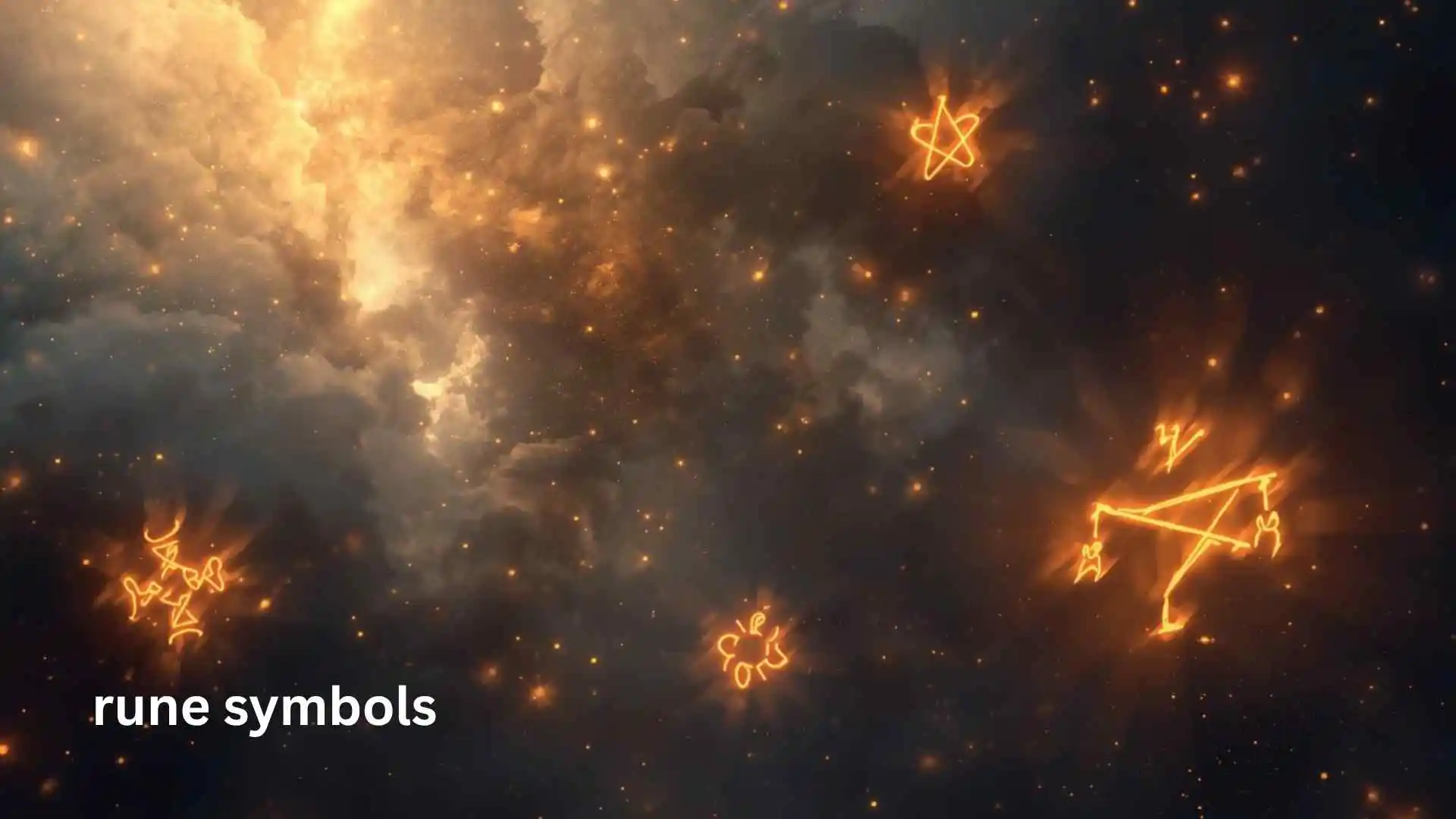
There are symbols that don’t just exist on stone or paper they seem to whisper through time. Rune symbols are one of those rare mysteries that still feel alive, as if carved by ancient hands but still speaking directly to modern hearts.
For thousands of years, people have looked at these markings and felt something they couldn’t fully explain: protection, destiny, fear, or hope.
This article uncovers the hidden meanings of rune symbols—what they truly represented in ancient cultures and why they still pull at human imagination today. You may discover that these symbols are not just history… but reflections of your own inner world.
What are Rune Symbols?
Rune symbols are ancient letters used by Germanic and Norse peoples, especially between 150 CE and 1100 CE.
They formed the writing system known as the Runic alphabets, most famously the Elder Futhark.
But runes were never just “letters.”
They were believed to carry spiritual energy, magical meaning, and cosmic connection. Each symbol was both a sound and a concept—like strength, protection, journey, or transformation.
They were carved into stone, wood, weapons, jewelry, and even used in rituals for guidance or fate-reading.
In simple terms:
Rune symbols were the bridge between language and magic.
Deep Symbolic Meaning of Rune Symbols
Rune symbols operate on multiple layers of meaning that go far beyond writing.
Spiritual Meaning
Spiritually, runes were seen as gifts from the gods, especially Odin in Norse mythology. Each symbol was believed to hold divine energy that could influence destiny, protect warriors, or reveal hidden truths.
People didn’t just read runes—they invoked them.
Psychological Meaning
Psychologically, rune symbols reflect deep human emotions and archetypes.
For example:
- Strength runes mirror human resilience
- Journey runes reflect life transitions
- Protection runes reflect fear and the need for safety
They act like ancient mirrors of the subconscious mind.
Cultural Meaning
Culturally, runes were used for:
- Communication
- Memorial inscriptions
- Spiritual rituals
- Protection spells
They were deeply embedded in everyday life, not just religion or magic.
Types / Variations of Rune Symbols
1. Fehu (ᚠ)
- Visual: Looks like a branching “F” shape
- Meaning: Wealth, abundance, success
- Appears in: Trade, prosperity rituals, Viking carvings
Fehu represents material gain but also the responsibility of managing wealth.
2. Ansuz (ᚨ)
- Visual: Vertical line with diagonal branches
- Meaning: Communication, wisdom, divine speech
- Appears in: Odin symbolism, poetry, sacred messages
This rune is tied to inspiration and divine knowledge.
3. Raidho (ᚱ)
- Visual: Resembles an angular “R”
- Meaning: Journey, travel, life path
- Appears in: Travel protection, life decisions
Raidho reflects both physical and spiritual journeys.
4. Algiz (ᛉ)
- Visual: Looks like antlers or a protective hand
- Meaning: Protection, defense, spiritual shield
- Appears in: Amulets, warrior carvings
One of the strongest protection symbols in runic systems.
5. Sowilo (ᛋ)
- Visual: Lightning or “S” shaped line
- Meaning: Sun, success, energy, victory
- Appears in: Victory charms, leadership symbols
Represents clarity and life force energy.
Rune Symbols Across Cultures
Norse Culture
In Norse tradition, runes were sacred gifts from Odin. They were used in magic, prophecy, and protection. Warriors often carved runes into weapons for strength in battle.
Germanic Tribes
Germanic peoples used runes primarily for communication, but many inscriptions still carried spiritual meaning, especially in burial stones.
Anglo-Saxon England
Here, runes evolved into a more decorative writing system, often blending Christian symbolism with older pagan meanings.
Celtic Influence
While not originally Celtic, runes influenced Celtic magical symbolism through trade and cultural exchange, especially in protective charms.
Modern Western Culture
Today, rune symbols are used in spiritual practices, tattoos, fantasy literature, and self-discovery systems.
Rune Symbols in Art, Movies & Pop Culture
Rune symbols have never truly disappeared—they’ve just transformed.
- Movies: Appear in fantasy films like Thor, The Lord of the Rings, and Viking-themed shows
- Books: Used in fantasy novels to represent magic systems and ancient languages
- Tattoos: Popular as symbols of strength, fate, protection, and identity
- Fashion: Used in jewelry, accessories, and gothic-inspired designs
- Video games: Often represent spells, powers, or ancient languages
In modern storytelling, runes symbolize mystery, ancient wisdom, and hidden power waiting to be unlocked.
Spiritual & Dream Meaning of Rune Symbols
When rune symbols appear in dreams or meditation, many spiritual traditions interpret them as messages from the subconscious or higher consciousness.
Common interpretations include:
- Seeing runes = guidance or warning
- Writing runes = taking control of destiny
- Broken runes = confusion or blocked energy
- Glowing runes = spiritual awakening
Even psychologically, dreams of symbols often reflect internal transformation or emotional change.
Positive vs Negative Meaning of Rune Symbols
Rune symbols are not strictly “good” or “bad.” Their meaning depends on context and interpretation.
Positive Aspects
- Protection and guidance
- Wisdom and clarity
- Strength and success
- Spiritual connection
Negative Aspects
- Misused as curses or binding spells in folklore
- Fear of unknown forces
- Association with fate being uncontrollable
This duality is what makes runes so powerful—they reflect both light and shadow within human experience.
Why Humans Are Attracted to Rune Symbols
Humans are naturally drawn to symbols because our brains seek meaning in patterns. Rune symbols feel ancient because they connect us to something deeper than modern language.
Psychologically, they activate:
- Curiosity about hidden knowledge
- Desire for identity and meaning
- Fascination with ancient civilizations
- Emotional connection to mystery and fate
On an emotional level, runes feel like they “remember something we forgot.”
That is why they continue to appear in tattoos, art, and spiritual practices even today.
FAQs About Rune Symbols
1. What are rune symbols used for today?
They are used in spirituality, meditation, tattoos, and historical study.
2. Are rune symbols magical?
Historically, they were believed to hold magical power, though today they are mostly symbolic.
3. What is the oldest rune system?
The Elder Futhark is the oldest known runic alphabet.
4. Can rune symbols predict the future?
They are used in divination practices, but interpretations are symbolic rather than scientific.
5. Are rune symbols still used in modern languages?
No, they are no longer used as an active writing system.
6. What do rune tattoos mean?
They often represent strength, protection, destiny, or personal belief systems.
7. Who created rune symbols?
They are believed to have originated among early Germanic and Norse tribes.
Conclusion
Rune symbols are more than ancient carvings on stone—they are echoes of human belief, fear, hope, and imagination. From warriors seeking protection to modern individuals searching for meaning, these symbols continue to bridge the gap between the visible world and the unseen.
Whether viewed as language, mythology, or psychology, rune symbols remind us of one timeless truth: humans have always tried to understand destiny through symbols that speak louder than words.
Discover More Topics:
- German Symbols | Meaning, History & Hidden Cultural Power in 2026
- P&ID Symbols | Complete Guide to Meaning, Types & Real-World Applications

Sophia Reed
Hi, I’m Sophia Reed, a storyteller at heart who finds magic in everyday moments. Ever since I could hold a pen, I’ve been weaving tales that explore love, courage, and the unexpected twists of life. Writing allows me to connect with readers on a deeper level, sharing emotions and experiences that resonate across worlds. When I’m not lost in my stories, you can find me wandering through quiet streets, sipping coffee, or dreaming up my next plot twist. I believe every story has the power to inspire, heal, and transport. Through my books, I hope to leave a piece of my imagination with you.
Books:
-
Whispers of the Heart
-
Shadows and Sunlight