
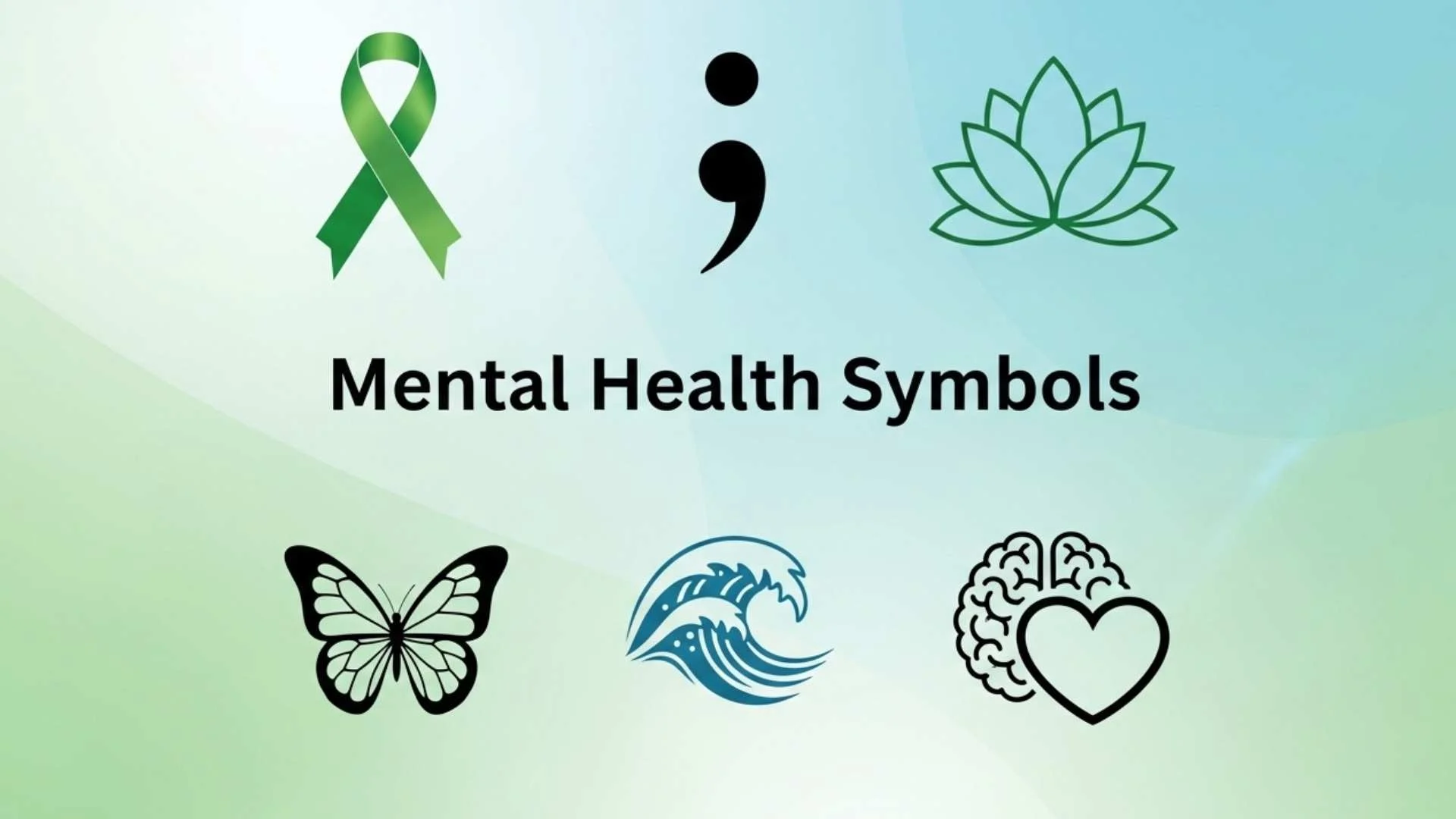
“Mental health symbols” quietly carry the weight of emotions we often struggle to express.
In moments when words fail, these symbols become a language of healing, resilience and hope. Across history, humans have turned to visual signs to represent inner struggles and emotional strength.
This article will uncover the deeper meanings behind these powerful symbols and show how they connect to your mind, spirit and everyday life in ways you may have never realized.
What Are Mental Health Symbols?
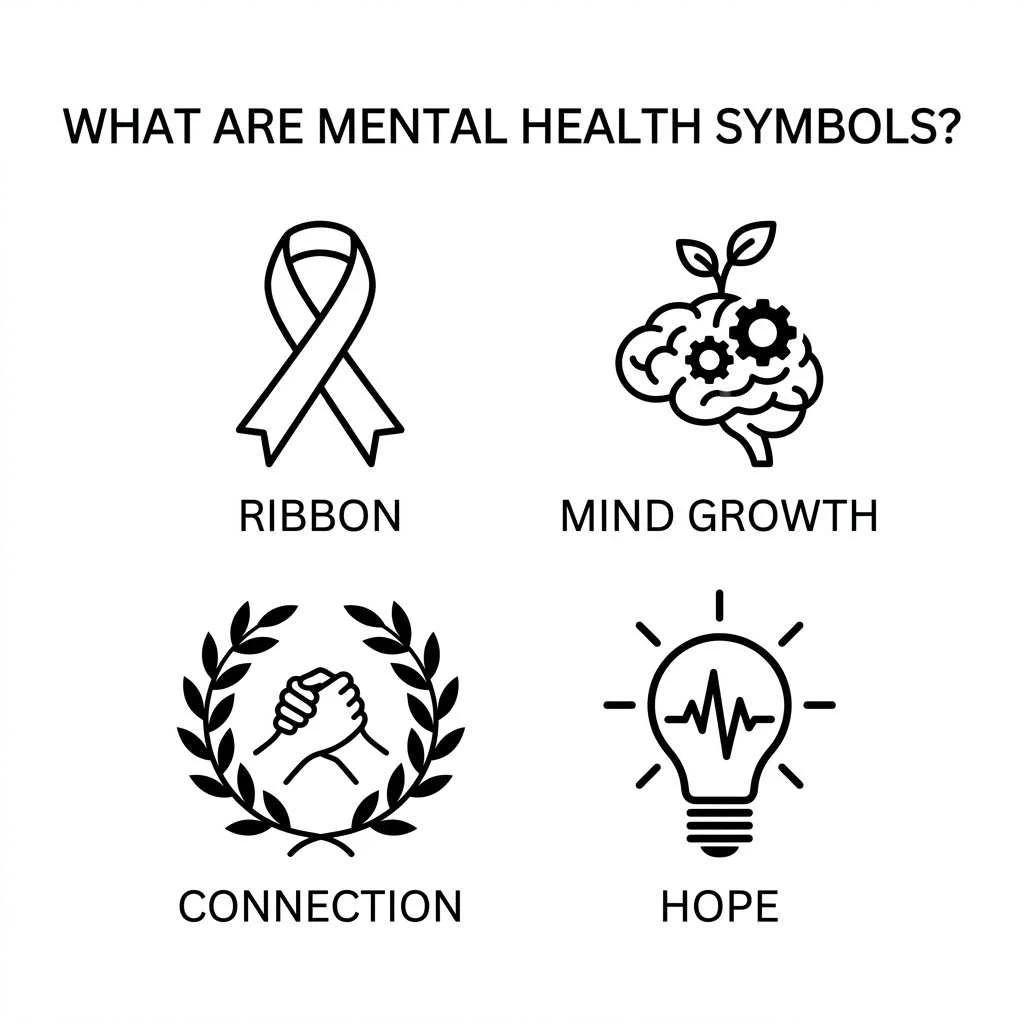
Mental health symbols are visual representations that express emotions, psychological states, healing journeys, and inner resilience. They act as a bridge between what we feel internally and what we can show externally.
Historically, symbols have always been part of human communication. Ancient civilizations used markings, carvings, and drawings to express ideas about life, death, suffering, and healing. Over time, these evolved into symbols specifically connected to emotional and mental well-being.
In modern society, mental health awareness has given rise to new symbols while also reshaping ancient ones. These symbols are now used in therapy, art, tattoos, awareness campaigns, and even social media. They help people feel seen, understood, and less alone.
At their core, mental health symbols remind us that healing is not linear and that every struggle has meaning.
Deep Symbolic Meaning
Mental health symbols carry layered meanings that touch different parts of human existence.
Spiritual Level
On a spiritual level, these symbols often represent transformation and rebirth. They reflect the idea that pain is not permanent and that growth comes from darkness. Many symbols connect to the soul’s journey, suggesting that emotional struggles are part of a deeper purpose.
Psychological Level
Psychologically, these symbols give form to invisible feelings. Anxiety, depression, trauma, and healing are hard to describe, but symbols make them tangible. They help people process emotions, reduce isolation, and create a sense of identity.
For example, someone battling depression may feel comfort wearing or drawing a symbol that represents survival. It becomes a quiet reminder that they are stronger than their struggles.
Cultural Level
Culturally, mental health symbols reflect shared human experiences. Different societies interpret them in unique ways, but the underlying themes remain the same: pain, hope, resilience, and renewal.
These symbols often become part of movements, uniting people across the world in support of mental health awareness.
Types and Variations of Mental Health Symbols
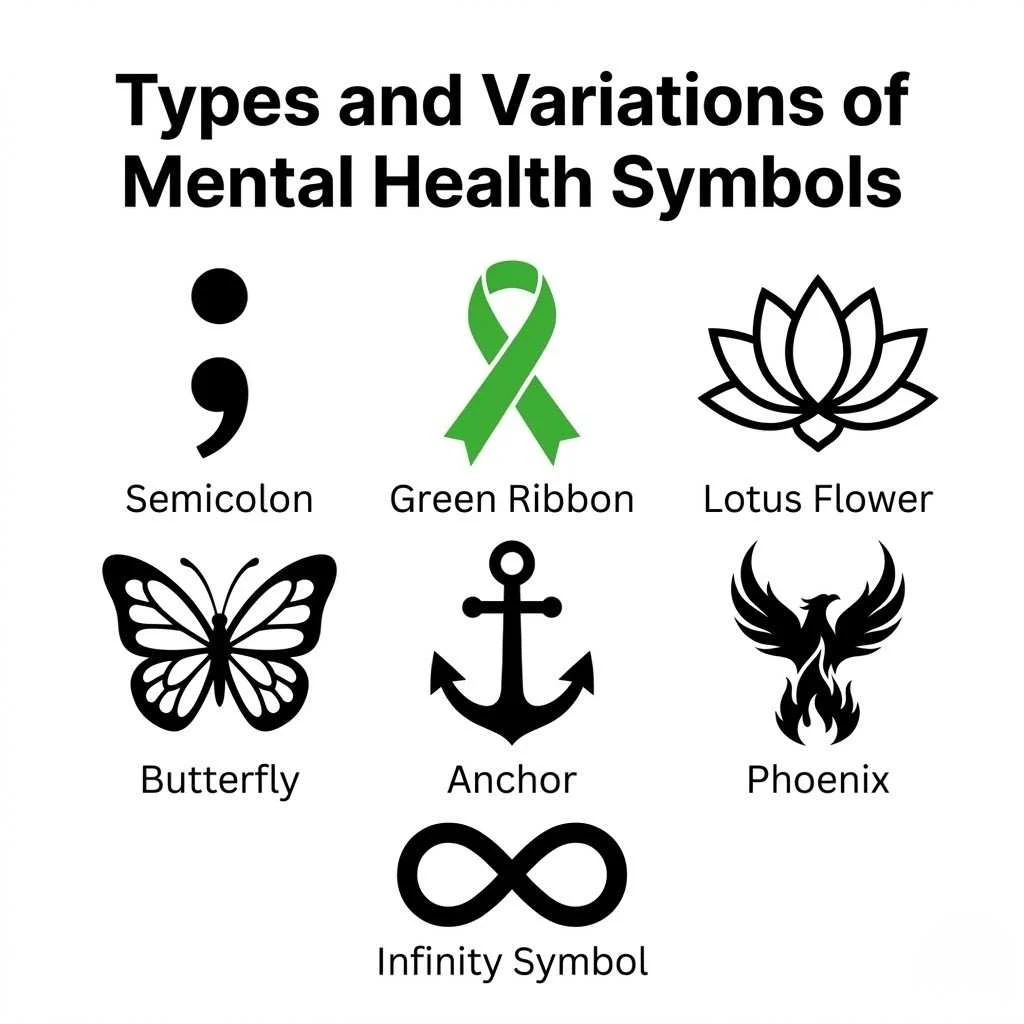
There are many powerful mental health symbols, each carrying its own story and meaning.
1. Semicolon
Visual Description: A punctuation mark with a dot above a comma
Meaning: Continuation of life, survival, choosing to keep going
Where It Appears: Tattoos, awareness campaigns, social media
The semicolon symbolizes a sentence the author could have ended but chose not to. In mental health, it represents a life that continues despite struggles. It has become one of the most recognized symbols of suicide prevention and resilience.
2. Green Ribbon
Visual Description: A simple green awareness ribbon
Meaning: Mental health awareness, support, and advocacy
Where It Appears: Campaigns, events, clothing
Green represents growth, renewal, and balance. The ribbon unites people in spreading awareness and reducing stigma around mental health issues.
3. Lotus Flower
Visual Description: A flower rising from muddy water
Meaning: Growth through adversity, purity, transformation
Where It Appears: Spiritual art, tattoos, meditation practices
The lotus grows in muddy water yet blooms beautifully above the surface. It symbolizes rising above struggles and finding peace despite chaos.
4. Butterfly
Visual Description: A delicate winged insect
Meaning: Transformation, change, rebirth
Where It Appears: Art, tattoos, therapy symbolism
The butterfly represents the journey from darkness to light. It reflects personal growth and emotional healing after difficult experiences.
5. Anchor
Visual Description: A ship anchor
Meaning: Stability, grounding, hope
Where It Appears: Tattoos, jewelry
In times of emotional storms, the anchor symbolizes staying grounded and holding on. It reminds people that they have something to keep them steady.
6. Phoenix
Visual Description: A mythical bird rising from ashes
Meaning: Rebirth, resilience, overcoming trauma
Where It Appears: Mythology, art, tattoos
The phoenix burns and is reborn from its ashes. It represents the ability to rebuild oneself after emotional destruction.
7. Infinity Symbol
Visual Description: A sideways figure eight
Meaning: Endless strength, ongoing journey, continuity
Where It Appears: Jewelry, tattoos
This symbol reflects the idea that healing is not a destination but a continuous process.
Mental Health Symbols Across Cultures
Mental health symbols are not limited to one culture. They appear in different forms across civilizations.
Ancient Egypt
Symbols like the ankh represented life and eternal existence. While not directly labeled as mental health symbols, they reflected balance and harmony, which are essential to emotional well-being.
Eastern Traditions
In cultures influenced by Buddhism and Hinduism, symbols like the lotus represent spiritual awakening and emotional purity. Meditation practices often use symbols to guide inner healing.
Greek Mythology
Figures like the phoenix symbolize rebirth and resilience. These stories often explored human suffering and recovery.
Indigenous Cultures
Many indigenous traditions use circular symbols to represent balance and connection. Emotional health is seen as part of a larger harmony with nature.
Modern Western Culture
Today, symbols like the semicolon and green ribbon dominate mental health awareness. They reflect a growing openness about emotional struggles and healing journeys.
Mental Health Symbols in Art, Movies and Pop Culture
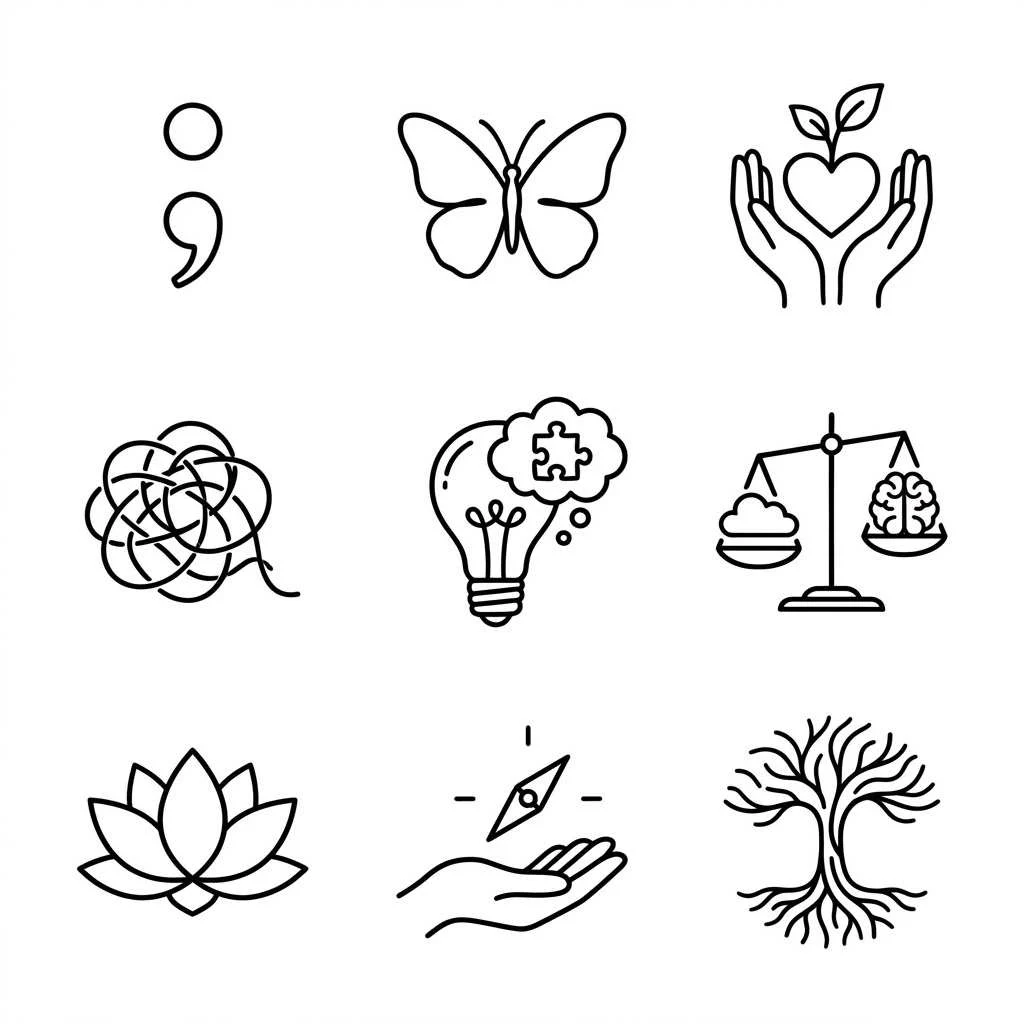
Mental health symbols have found a strong place in modern storytelling and creative expression.
Movies
Films often use visual metaphors to represent mental health. Butterflies, broken mirrors, and rising flames are commonly used to show transformation and inner conflict.
Paintings
Artists have long used symbolic imagery to express emotional pain and healing. Colors, shapes, and recurring motifs often reflect mental states.
Books
Literature frequently uses symbols to explore psychological depth. A storm may represent anxiety, while light breaking through clouds may symbolize hope.
Tattoos
Many people choose mental health symbols as tattoos. These permanent marks act as reminders of survival, strength, and personal growth.
Fashion
Clothing and accessories now feature mental health symbols, helping normalize conversations and spread awareness.
Spiritual and Dream Meaning of Mental Health Symbols
When mental health symbols appear in dreams or meditation, they often carry deep messages.
Seeing a butterfly in a dream may indicate personal transformation. A lotus might suggest emotional healing or spiritual growth. An anchor could mean a need for stability in waking life.
Spiritually, these symbols are often seen as guidance. They encourage reflection and remind individuals to trust their journey.
Dreams use symbols because the subconscious mind communicates visually. Understanding these signs can help uncover hidden emotions and unresolved experiences.
Positive vs Negative Meaning
Mental health symbols are powerful because they hold both light and darkness.
A semicolon represents survival, but it also acknowledges struggle. The phoenix symbolizes rebirth, but only after destruction. The lotus reflects beauty, yet it grows in mud.
This duality makes these symbols deeply human. They do not ignore pain but transform it into something meaningful.
Positive meanings include hope, resilience, growth, and healing. Negative aspects may include struggle, trauma, and emotional pain.
Together, they create a complete picture of the human experience.
Why Humans Are Attracted to These Symbols
Humans are naturally drawn to symbols because they simplify complex emotions.
When someone feels overwhelmed, a symbol can express what words cannot. It becomes a personal language, a silent companion in difficult times.
Psychologically, symbols help with emotional processing. They provide comfort, identity, and a sense of belonging.
There is also a deep emotional connection. Seeing a symbol that represents your struggle can make you feel understood, even if no one else knows your story.
These symbols also create community. When people share them, they connect through shared experiences and mutual support.
FAQs
What is the most common mental health symbol?
The semicolon is one of the most widely recognized mental health symbols. It represents choosing to continue life despite struggles.
Why is the green ribbon used for mental health?
The green ribbon symbolizes awareness, hope, and support for mental health issues. Green is associated with growth and renewal.
Can mental health symbols help with healing?
Yes, many people find comfort and strength in these symbols. They act as reminders of resilience and personal growth.
Are mental health symbols universal?
While some symbols are globally recognized, others vary by culture. However, the themes of healing and resilience are universal.
Why do people get mental health tattoos?
People choose these tattoos to represent their journey, survival, and strength. It is a deeply personal form of expression.
Conclusion
Mental health symbols are more than simple images. They are silent storytellers of pain, hope, and transformation. They remind us that even in our darkest moments, there is meaning and possibility.
Each symbol carries a message that healing is not about erasing struggle but learning to rise through it. Whether you see a semicolon, a butterfly, or a lotus, remember that it represents a journey that continues.
And perhaps, in understanding these symbols, you begin to understand yourself a little more.

Sophia Reed
Hi, I’m Sophia Reed, a storyteller at heart who finds magic in everyday moments. Ever since I could hold a pen, I’ve been weaving tales that explore love, courage, and the unexpected twists of life. Writing allows me to connect with readers on a deeper level, sharing emotions and experiences that resonate across worlds. When I’m not lost in my stories, you can find me wandering through quiet streets, sipping coffee, or dreaming up my next plot twist. I believe every story has the power to inspire, heal, and transport. Through my books, I hope to leave a piece of my imagination with you.
Books:
-
Whispers of the Heart
-
Shadows and Sunlight