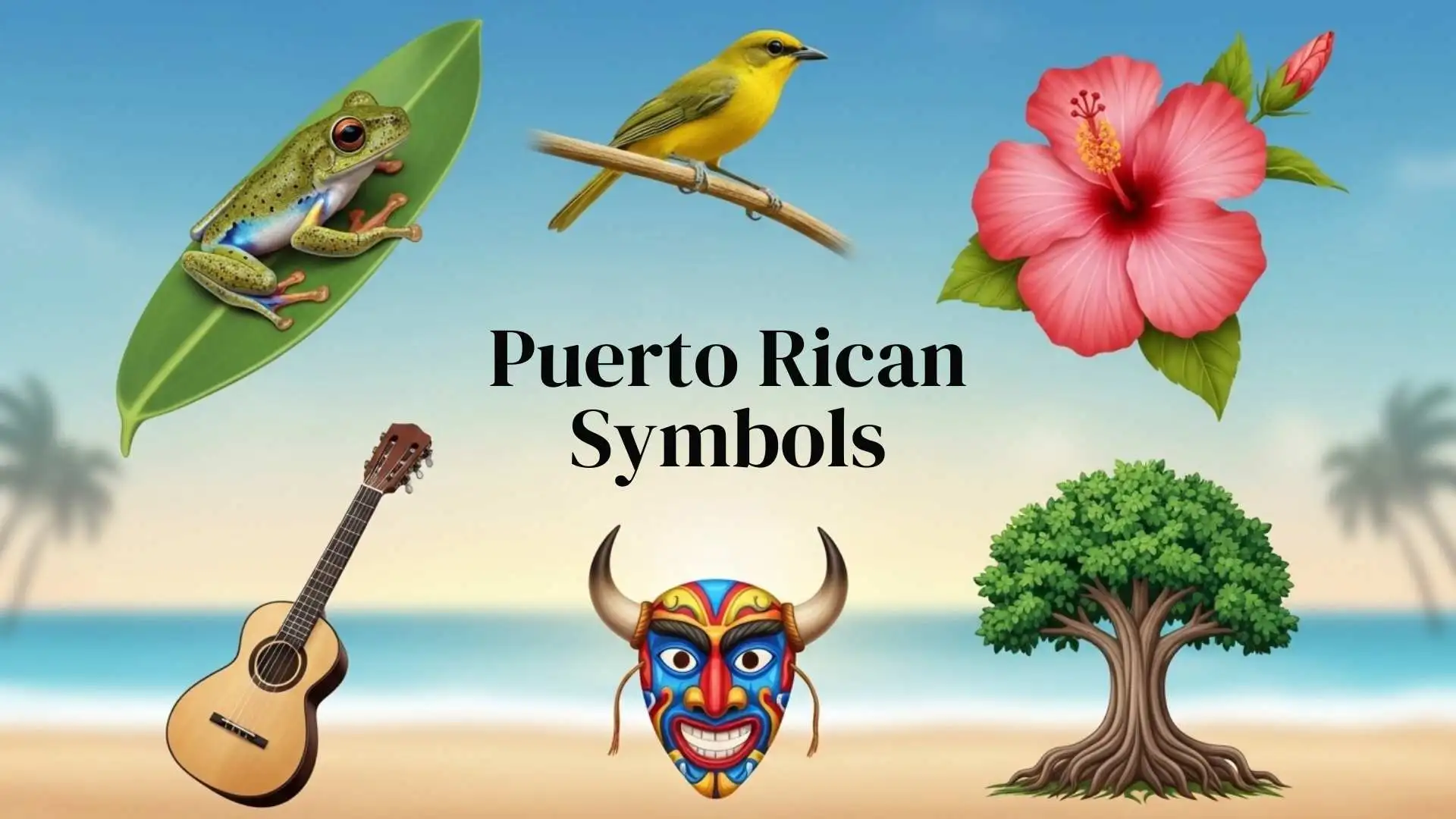
“Puerto Rican symbols” carry stories of identity, resistance and soul, woven into every corner of the island’s history.
From ancient carvings to modern flags, these symbols speak to something deeply human within us. They reveal emotions, beliefs and truths that words often fail to express.
In this guide, you will uncover the hidden meanings behind Puerto Rican symbols and why they still move hearts across the world.
What Are Puerto Rican Symbols?
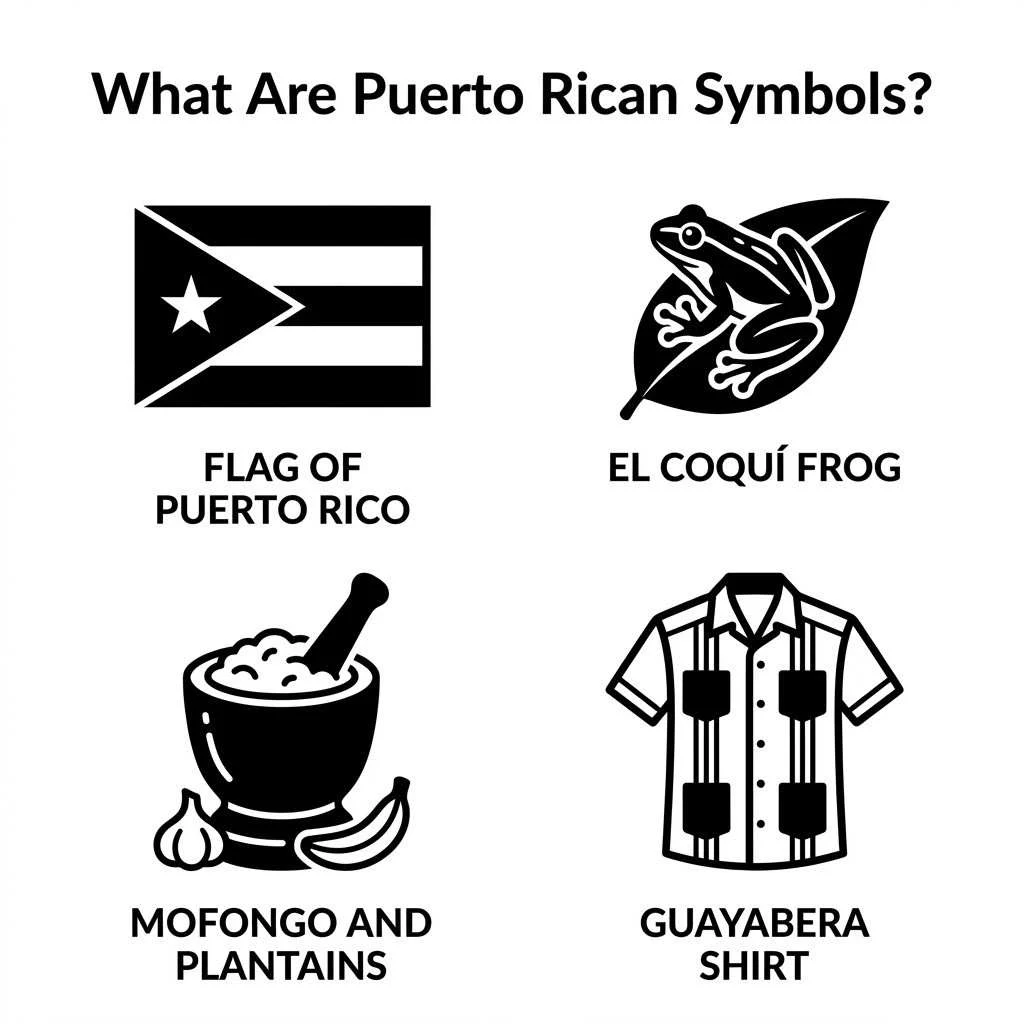
Puerto Rican symbols are visual, cultural, and spiritual representations that reflect the island’s identity, history, and beliefs. These symbols come from a rich blend of Taíno indigenous traditions, Spanish colonial influence, and African heritage. Together, they create a unique cultural language that tells the story of Puerto Rico.
Historically, the Taíno people used symbols called petroglyphs, carved into stone, to represent their gods, nature, and spiritual ideas. When Spanish colonization began in the 15th century, new symbols such as the cross and royal emblems merged with local traditions. Later, African influences brought additional layers of meaning, rhythm, and resilience.
Today, Puerto Rican symbols appear in art, tattoos, jewelry, architecture, and everyday life. They are not just decorative, they are living expressions of identity, pride, and memory.
Deep Symbolic Meaning
Puerto Rican symbols operate on multiple levels, each revealing something powerful about human experience.
On a spiritual level, many symbols connect to divine forces, protection, and the unseen world. For example, Taíno symbols often represent gods known as zemis, believed to guide and protect people.
On a psychological level, these symbols reflect inner strength, belonging, and identity. A simple image like a coquí frog can evoke feelings of home, comfort, and nostalgia for Puerto Ricans living far away.
On a cultural level, Puerto Rican symbols tell stories of survival and unity. They represent resistance against colonization, pride in heritage, and the blending of different cultures into one vibrant identity.
Think about someone wearing a Puerto Rican flag necklace. It is not just jewelry. It is a statement of who they are, where they come from, and what they carry inside.
Types and Variations of Puerto Rican Symbols
The Coquí Frog
Visual description: A small tree frog often shown with rounded eyes and a simple, cute shape.
Meaning: The coquí represents home, identity, and the voice of Puerto Rico. Its nighttime call is deeply tied to the island’s atmosphere.
Where it appears: Folklore, music, souvenirs, tattoos, and national branding.
The Sun Symbol (Taíno Sun)
Visual description: A circular face with radiating lines, often carved in stone.
Meaning: Life, energy, and divine power. It symbolizes the sun god and the source of life.
Where it appears: Ancient petroglyphs, jewelry, art, and spiritual designs.
The Puerto Rican Flag
Visual description: Red and white stripes with a blue triangle and a white star.
Meaning: Freedom, independence, and unity. Each color represents sacrifice, government, and hope.
Where it appears: Government buildings, protests, clothing, and celebrations.
The Coquí Taíno Symbol
Visual description: A stylized frog formed with geometric lines.
Meaning: A blend of indigenous spirituality and modern identity.
Where it appears: Tattoos, carvings, and contemporary art.
The Hibiscus Flower
Visual description: A bright tropical flower, often red or pink.
Meaning: Beauty, femininity, and natural pride.
Where it appears: Fashion, gardens, paintings, and accessories.
The Taíno Spiral
Visual description: A swirling circular pattern.
Meaning: Continuity, life cycles, and the connection between past and future.
Where it appears: Rock carvings, pottery, and symbolic art.
Puerto Rican Symbols Across Cultures
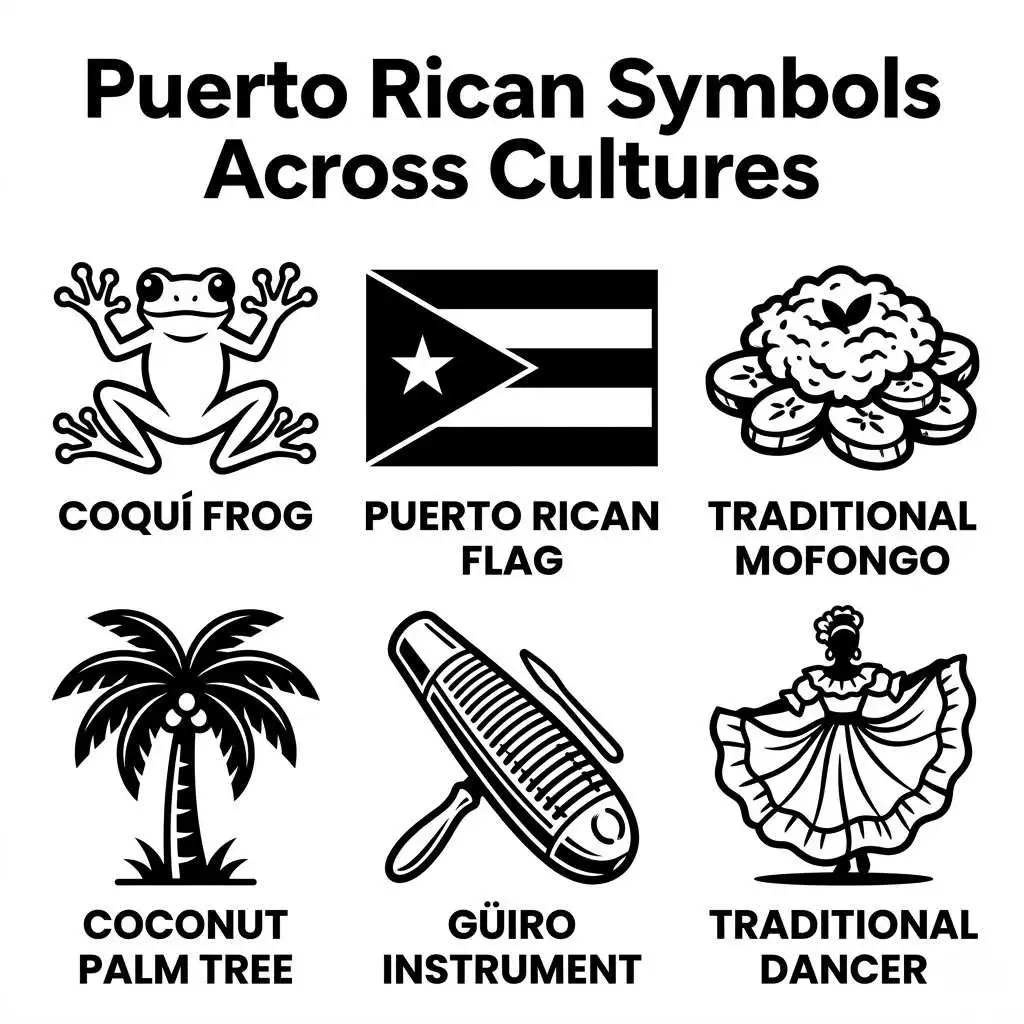
Puerto Rican symbols are not isolated. They reflect influences from multiple civilizations.
In Taíno culture, symbols were sacred and directly connected to gods and nature. Every carving had meaning, often linked to survival, fertility, or protection.
In Spanish colonial culture, symbols became more religious and political. Crosses and royal emblems represented authority and faith.
African influences introduced symbolic expressions through music, rhythm, and spiritual practices. Symbols became more dynamic and emotional, often tied to resistance and resilience.
In modern global culture, Puerto Rican symbols are embraced as icons of identity and pride. They appear in diaspora communities, especially in places like New York, where they represent connection to roots.
In contemporary America, these symbols have become part of broader conversations about heritage, diversity, and cultural pride.
Puerto Rican Symbols in Art, Movies and Pop Culture
Puerto Rican symbols are everywhere in modern creative expression.
In movies, they often appear as subtle markers of identity, such as a flag in the background or a coquí sound in a scene. These details create authenticity and emotional depth.
In paintings, artists use Taíno symbols and vibrant colors to tell stories of history and struggle. These artworks often blend ancient and modern themes.
In books, symbols represent identity journeys, especially for characters navigating life between cultures.
In tattoos, Puerto Rican symbols are incredibly popular. People choose them to express pride, ancestry, and personal meaning. A coquí or Taíno sun tattoo often carries deep emotional value.
In fashion, these symbols appear on clothing, jewelry, and accessories. Wearing them becomes a form of cultural expression and celebration.
Spiritual and Dream Meaning of Puerto Rican Symbols
When Puerto Rican symbols appear in dreams or meditation, they often carry deep personal messages.
Seeing a coquí may symbolize a longing for home or emotional comfort. It can reflect a need to reconnect with your roots.
A sun symbol in a dream may represent awakening, clarity, or new beginnings. It suggests that something in your life is coming into light.
Spiral symbols often indicate personal growth and transformation. They suggest that you are evolving, even if the path feels uncertain.
Spiritually, these symbols act as guides. They connect you to ancestral wisdom and remind you that you are part of something larger than yourself.
Positive vs Negative Meaning
Like all powerful symbols, Puerto Rican symbols can carry both light and shadow.
Positive meanings include identity, pride, resilience, beauty, and connection. They inspire people to embrace who they are and where they come from.
However, there can also be negative interpretations. For some, these symbols may remind them of colonization, loss, or cultural struggle. A flag, for example, can represent unity for some and political tension for others.
This duality makes the symbols even more meaningful. They reflect real human experiences, both joyful and painful.
Why Humans Are Attracted to Puerto Rican Symbols
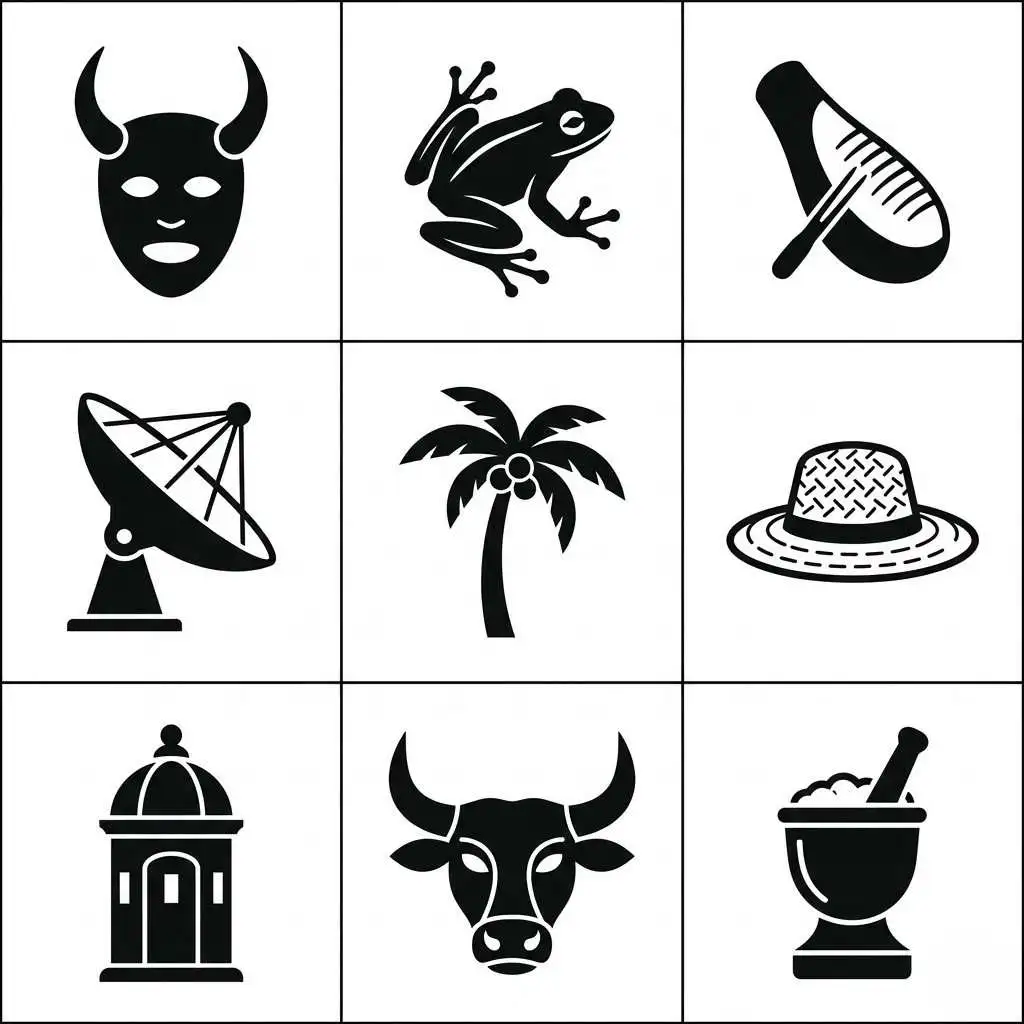
Humans are naturally drawn to symbols because they simplify complex emotions and ideas.
Puerto Rican symbols, in particular, resonate because they carry deep emotional weight. They represent belonging, identity, and history.
Psychologically, symbols help people feel grounded. They provide a sense of connection in a world that often feels disconnected.
Emotionally, these symbols tell stories. They remind people of family, heritage, and shared experiences.
There is also a sense of beauty. The shapes, colors, and patterns are visually appealing, making them attractive in art and design.
Most importantly, these symbols make people feel seen. They validate identity and create a sense of pride.
FAQs About Puerto Rican Symbols
What is the most important Puerto Rican symbol?
The Puerto Rican flag is one of the most important symbols. It represents unity, freedom, and national identity.
What does the coquí symbolize in Puerto Rico?
The coquí symbolizes home, pride, and the natural spirit of the island. Its sound is deeply tied to Puerto Rican identity.
Are Puerto Rican symbols spiritual?
Yes, many symbols have spiritual roots, especially those from Taíno culture. They often represent gods, nature, and protection.
Why are Taíno symbols important?
Taíno symbols connect modern Puerto Ricans to their indigenous roots. They preserve history and cultural identity.
Can anyone use Puerto Rican symbols in tattoos?
Yes, but it is important to understand and respect their meaning. These symbols carry cultural and historical significance.
Conclusion
Puerto Rican symbols are more than images. They are living stories, carrying the heartbeat of a people shaped by history, struggle, and beauty. Each symbol holds a piece of identity, a whisper of the past, and a vision for the future.
When you truly understand these symbols, you begin to see Puerto Rico not just as a place, but as a feeling. A rhythm. A spirit that refuses to fade.
And perhaps that is why these symbols matter so much. They remind us that even in a changing world, identity, culture, and meaning still have a place to live and grow inside us.

Freddie Wood
Hi! I’m Freddie Wood, a storyteller at heart and a lifelong explorer of ideas. Writing has always been my way of making sense of the world, turning ordinary moments into stories that linger in your mind. I love blending emotions with adventure, and I’m fascinated by the way words can connect people across distances and experiences. When I’m not writing, you’ll find me wandering through nature, listening to music, or sketching out ideas for my next story. My goal is always to create books that stay with readers long after the last page.
Books by Freddie Wood:
-
The Hidden Path
-
Shadows of Tomorrow