
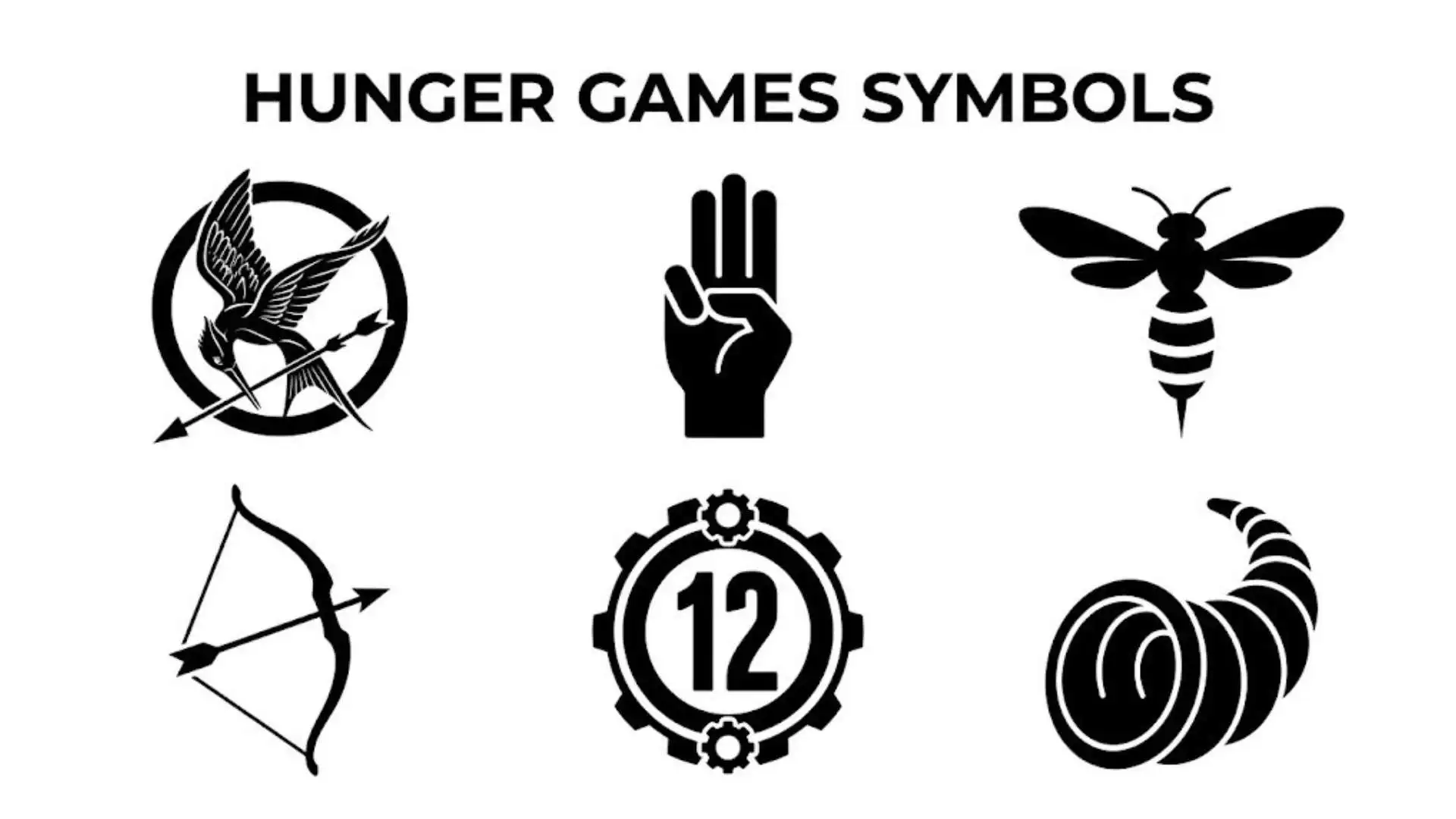
“Hunger Games symbols” are more than simple images in a story, they are emotional triggers that echo rebellion, survival, fear and hope deep within the human soul.
From ancient cave markings to modern storytelling, symbols have always carried the weight of human experience.
When you look closely, these symbols are not just part of fiction, they reflect real struggles, power structures and the human desire for freedom.
This article uncovers meanings you may have never noticed before, revealing how deeply these symbols connect to your own inner world.
What Are Hunger Games Symbols?
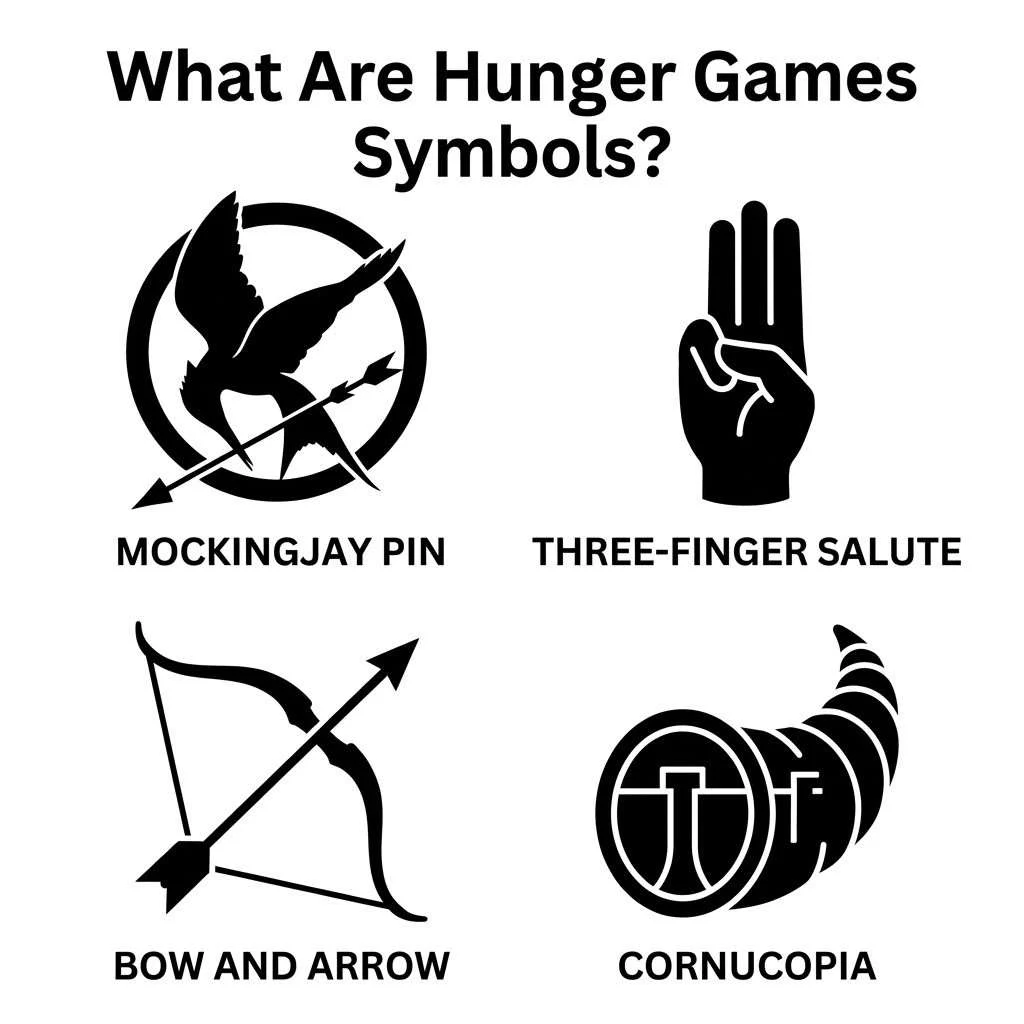
In the world of The Hunger Games, symbols act as silent storytellers. They communicate ideas that words often cannot fully express. Created by Suzanne Collins, these symbols represent power, oppression, rebellion, sacrifice, and identity.
Historically, symbols have always shaped cultures. Ancient civilizations used them to express beliefs, warn enemies, and unite people. Similarly, in the dystopian society of Panem, symbols become tools of control and resistance. The Capitol uses them to intimidate, while the districts use them to inspire hope.
At their core, Hunger Games symbols are visual metaphors. They carry layered meanings that evolve throughout the story, reflecting the emotional journey of characters and the shifting dynamics of power.
Deep Symbolic Meaning
Spiritual Level
On a spiritual level, Hunger Games symbols represent the eternal battle between light and darkness. The Mockingjay, for example, becomes a symbol of rebirth and divine resistance. It reflects the idea that even in the darkest systems, hope cannot be destroyed.
Psychological Level
Psychologically, these symbols tap into fear, identity, and survival instincts. The arena represents the human mind under pressure, where choices define who you truly are. Symbols like fire connect to transformation, showing how pain can forge strength.
Cultural Level
Culturally, the symbols mirror real-world systems of inequality and control. The Capitol’s imagery reflects propaganda seen throughout history. Meanwhile, rebellion symbols show how oppressed groups unite through shared meaning and identity.
Types / Variations of Hunger Games Symbols
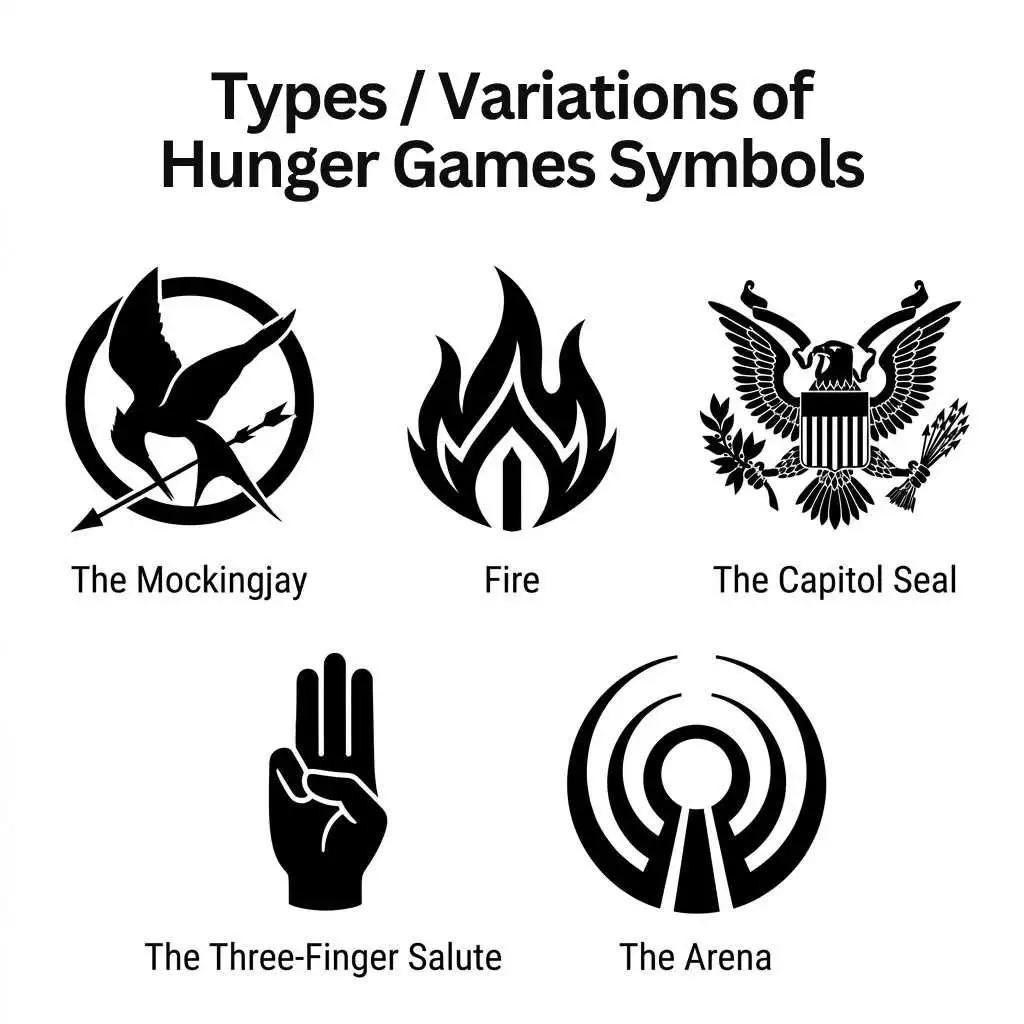
1. The Mockingjay
Visual Description: A small bird often shown holding an arrow in its beak
Meaning: Rebellion, hope, and survival
Where It Appears: Worn as a pin by Katniss Everdeen, used as a revolutionary emblem
The Mockingjay evolves from a simple token into a powerful sign of resistance. It shows how something small can challenge even the strongest authority.
2. Fire
Visual Description: Flames surrounding a person or object
Meaning: Transformation, destruction, and rebirth
Where It Appears: Katniss’s costumes, especially during public appearances
Fire symbolizes both danger and renewal. It reflects how pain can ignite change and reshape identity.
3. The Capitol Seal
Visual Description: An eagle-like emblem representing authority
Meaning: Power, control, dominance
Where It Appears: Government buildings and propaganda
This symbol represents absolute control. It reminds citizens that they are always being watched and governed.
4. The Three-Finger Salute
Visual Description: Three fingers raised to the sky
Meaning: Unity, respect, rebellion
Where It Appears: Used by districts to show solidarity
This silent gesture becomes louder than words. It shows how simple actions can carry powerful emotional meaning.
5. The Arena
Visual Description: A controlled battleground
Meaning: Manipulation, survival, human nature
Where It Appears: The Hunger Games itself
The arena is not just a place, it is a symbol of how systems can control life and death.
Hunger Games Symbols Across Cultures
Symbols in the Hunger Games echo meanings found across global cultures.
Ancient Rome
The Games themselves are inspired by Roman gladiator arenas. Symbols of power and entertainment were used to control populations, just like the Capitol does.
Ancient Egypt
Birds like the Mockingjay resemble Egyptian symbols of the soul and freedom. Birds often represented the connection between earthly life and spiritual liberation.
Medieval Europe
Fire has long symbolized both punishment and purification. In medieval times, it was used in rituals and executions, reflecting its dual nature.
Indigenous Cultures
Hand gestures like the three-finger salute resemble traditional signs of respect and unity found in many tribal societies.
Modern Society
Today, symbols from The Hunger Games are used in protests, tattoos, and social movements. They have transcended fiction and entered real-world meaning.
Hunger Games Symbols in Art, Movies and Pop Culture
In modern storytelling, symbols are essential. The Hunger Games series uses them masterfully.
Movies
In film adaptations, visual storytelling enhances these symbols. Fire costumes, the Mockingjay pin, and the salute become unforgettable cinematic moments.
Books
The original novels use symbolism to build emotional depth. Readers connect with these images on a personal level.
Tattoos
Many fans choose Mockingjay tattoos. These represent personal struggles, resilience, and independence.
Fashion
Katniss’s fiery outfits inspired real-world fashion. Designers use similar imagery to represent boldness and rebellion.
Art
Artists reinterpret Hunger Games symbols to reflect modern political and social struggles.
Spiritual and Dream Meaning of Hunger Games Symbols
When these symbols appear in dreams or meditation, they often carry deep personal messages.
- Mockingjay in Dreams: You may be awakening to your inner strength
- Fire in Dreams: Transformation or emotional intensity is unfolding
- Arena in Dreams: You feel tested or judged in life
- Salute in Dreams: A need for connection or solidarity
Spiritually, these symbols suggest growth through struggle. They remind you that hardship often leads to awakening.
Positive vs Negative Meaning
Hunger Games symbols carry dual meanings, reflecting the complexity of human life.
Positive Meanings
- Hope and resilience
- Courage and rebellion
- Unity and identity
- Transformation and growth
Negative Meanings
- Oppression and control
- Fear and manipulation
- Violence and survival pressure
- Loss of individuality
This duality is what makes these symbols so powerful. They reflect both the light and shadow within human nature.
Why Humans Are Attracted to Hunger Games Symbols
Humans are naturally drawn to symbols because they simplify complex emotions. Hunger Games symbols resonate deeply because they mirror real struggles.
When you see the Mockingjay, you don’t just see a bird, you see defiance. When you see fire, you feel intensity and change.
Psychologically, symbols activate emotional memory. They connect you to universal experiences like fear, hope, and survival.
Storytelling also plays a role. Through Katniss Everdeen, people see themselves. Her journey transforms these symbols into personal reflections.
FAQs
What does the Mockingjay symbolize in Hunger Games?
The Mockingjay represents rebellion, hope, and the power of the individual against oppressive systems.
Why is fire important in Hunger Games symbols?
Fire symbolizes transformation, strength, and the ability to rise after destruction.
What does the three-finger salute mean?
It stands for unity, respect, and silent rebellion against authority.
Are Hunger Games symbols based on real history?
Yes, many symbols are inspired by real historical events, especially Roman gladiator culture and political propaganda.
Why do people get Hunger Games tattoos?
They connect with the themes of survival, resistance, and personal strength represented by these symbols.
Conclusion
Hunger Games symbols are not just fictional elements, they are reflections of the human condition. They tell stories of fear, courage, oppression, and hope. They remind you that even in controlled systems, the human spirit finds ways to rise.
These symbols live beyond the pages of a book or scenes of a movie. They exist in protests, art, dreams, and personal journeys. When you understand them, you begin to see the deeper patterns of life itself.
And perhaps that is their true power, they don’t just tell a story, they awaken something within you.

Julian Shaw
I’ve always been fascinated by the small, quiet stories that make life feel magical. Writing allows me to explore worlds that exist just beyond the everyday, where imagination meets reality. Over the years, I’ve found joy in creating characters that feel real and stories that stay with readers long after the last page. When I’m not writing, you can usually find me wandering through city streets, notebook in hand, capturing little sparks of inspiration. I believe every story has the power to connect us, to make us feel a little less alone. Sharing these tales is my way of leaving a mark on the world.
Books:
-
Whispers in the Wind
-
Shadows of Tomorrow