
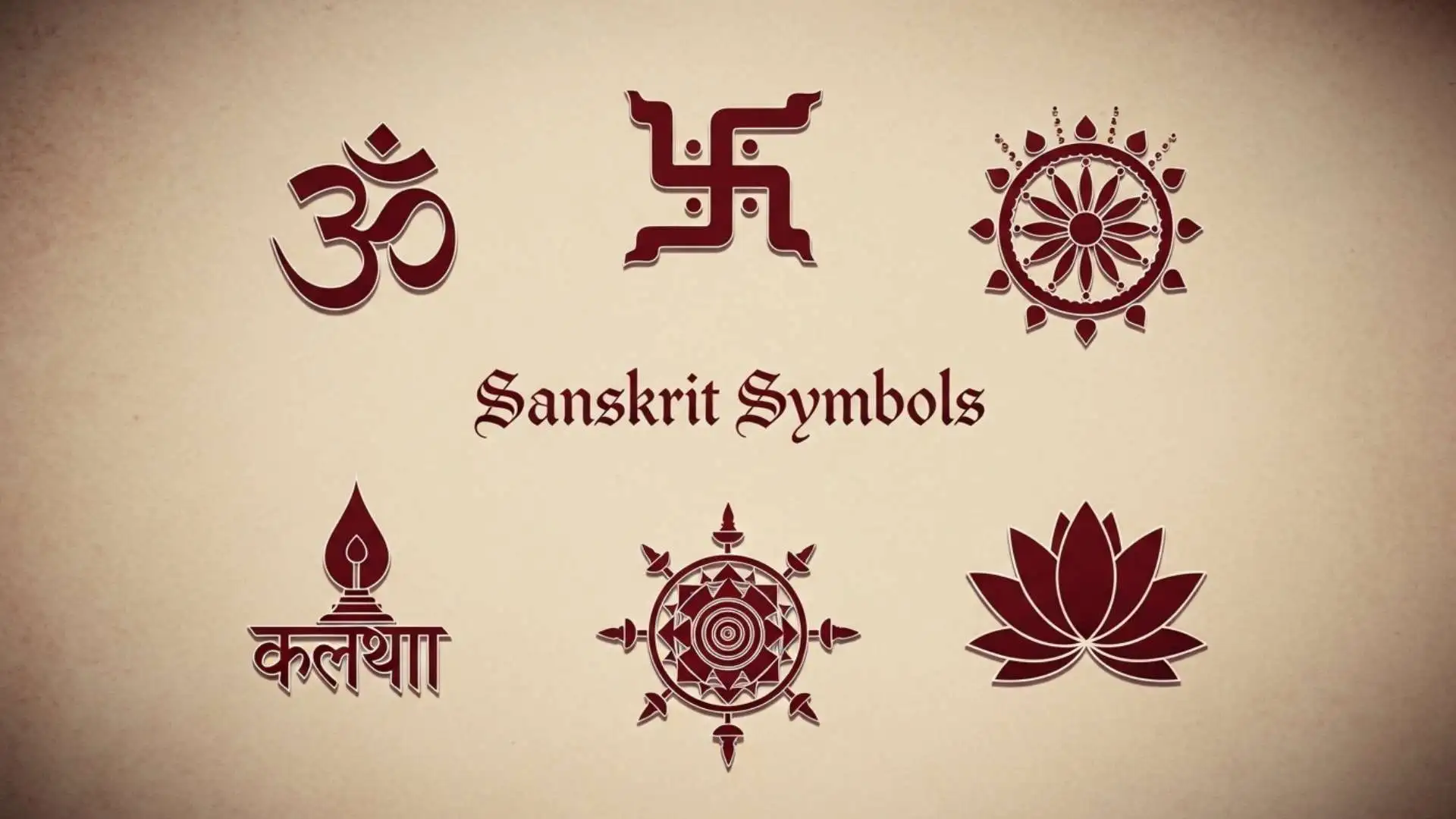
“Sanskrit symbols” hold a quiet power that has echoed through centuries, whispering secrets of existence into the hearts of those who seek meaning.
From ancient temples to modern tattoos, these symbols are more than visual forms, they are living energies that shape thought, belief and identity.
Rooted in one of the oldest languages known to humanity, they bridge the visible and the unseen.
This journey into Sanskrit symbols will uncover layers of wisdom, emotion, and truth you may have never noticed before.
What Are Sanskrit Symbols?
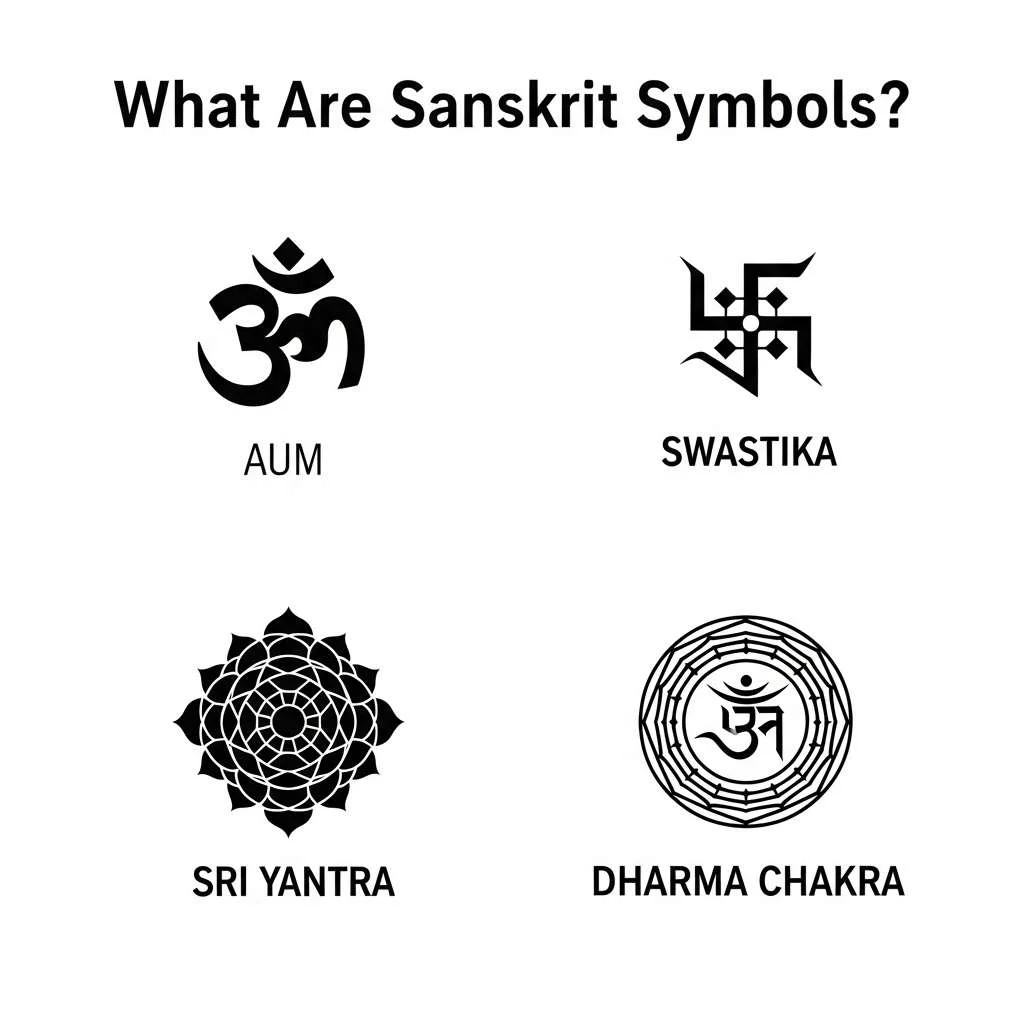
Sanskrit symbols are visual representations derived from the Sanskrit language, one of the oldest and most sacred languages in human history. Originating in ancient India, Sanskrit has been the foundation of spiritual texts like the Vedas, Upanishads, and Bhagavad Gita. These symbols are not just letters or artistic designs, they carry deep philosophical meanings and spiritual vibrations.
Unlike ordinary writing systems, Sanskrit symbols often function as sacred signs used in meditation, rituals, and spiritual practices. Each curve, line, and form holds intentional meaning. For example, many symbols represent universal truths such as creation, destruction, balance, and enlightenment.
Historically, these symbols were inscribed on temple walls, manuscripts, and sacred objects. Over time, they evolved into powerful icons used across religions like Hinduism, Buddhism, and Jainism. Today, they continue to influence art, fashion, and personal identity worldwide.
Deep Symbolic Meaning
On a spiritual level, Sanskrit symbols act as gateways to higher consciousness. They are believed to carry vibrations that align the mind with the universe. Chanting or visualizing these symbols can bring peace, clarity, and spiritual awakening.
Psychologically, these symbols tap into the subconscious mind. Humans naturally respond to patterns and shapes, and Sanskrit symbols often evoke a sense of calm, purpose, or curiosity. For example, seeing a symbol like Om can instantly create a feeling of stillness and inner balance.
Culturally, Sanskrit symbols represent tradition, identity, and continuity. They connect generations through shared beliefs and values. In many families, these symbols are passed down as blessings, worn as jewelry, or displayed in homes as protection and guidance.
Imagine a person sitting quietly in meditation, focusing on a simple symbol. Over time, that symbol becomes more than an image, it becomes a companion, a guide, and a reflection of inner truth.
Types / Variations of Sanskrit Symbols
Om Symbol
The Om symbol is one of the most recognized Sanskrit symbols in the world. Visually, it appears as a flowing curve with a semicircle and dot above it.
Meaning: It represents the sound of the universe, the beginning of all creation, and the unity of mind, body, and spirit.
Where it appears: Found in Hinduism, Buddhism, yoga practices, meditation, and spiritual texts.
Lotus Symbol
The lotus is often depicted as a blooming flower rising from muddy water.
Meaning: It symbolizes purity, enlightenment, and spiritual growth. Despite growing in mud, it blooms beautifully, representing the human journey.
Where it appears: Religious art, temple carvings, meditation imagery, and tattoos.
Swastika Symbol
An ancient symbol formed by a cross with arms bent at right angles.
Meaning: Traditionally, it represents good fortune, prosperity, and well being.
Where it appears: Hindu rituals, temple decorations, and ancient architecture.
Chakra Symbols
These are circular designs representing energy centers in the human body.
Meaning: Each chakra symbolizes different aspects of physical and emotional health, such as love, power, and communication.
Where it appears: Yoga systems, healing practices, spiritual teachings.
Mandala
A geometric, circular design often intricate and symmetrical.
Meaning: It represents the universe, wholeness, and the cycle of life.
Where it appears: Meditation tools, art therapy, spiritual rituals.
Sanskrit Symbols Across Cultures
In ancient India, Sanskrit symbols were deeply embedded in daily life and spirituality. They guided rituals, education, and philosophical thinking.
In Tibetan culture, many Sanskrit symbols were adopted and transformed within Buddhist practices. Symbols like Om and mandalas became central to meditation and enlightenment.
In Southeast Asia, countries like Thailand and Indonesia integrated Sanskrit symbols into temple architecture and traditional art, blending them with local beliefs.
During the medieval period, these symbols traveled along trade routes, influencing Persian and Central Asian art. They were often seen in manuscripts and decorative patterns.
In modern Western culture, Sanskrit symbols have become popular in yoga, mindfulness, and self expression. People use them in tattoos, clothing, and home decor as a way to connect with deeper meaning and spirituality.
Sanskrit Symbols in Art, Movies & Pop Culture
Sanskrit symbols have found a strong presence in modern creativity. In movies, they often appear in scenes involving spirituality, ancient wisdom, or mystical journeys. These symbols help create a sense of mystery and depth.
In paintings and digital art, artists use Sanskrit symbols to express themes of balance, energy, and transformation. The intricate designs of mandalas, for example, are widely used in modern art therapy.
Books often incorporate these symbols on covers or within stories that explore philosophy and self discovery. They act as visual anchors for deeper ideas.
Tattoos are one of the most popular ways people connect with Sanskrit symbols today. A small Om or lotus tattoo can carry personal meaning, representing peace, growth, or resilience.
In fashion, these symbols appear on clothing, jewelry, and accessories. They are often used to convey a sense of calm, spirituality, or cultural appreciation.
Spiritual & Dream Meaning of Sanskrit Symbols
Seeing Sanskrit symbols in dreams or meditation can be a powerful experience. These symbols often appear when the mind is seeking clarity or transformation.
For example, dreaming of the Om symbol may indicate a need for inner peace or alignment. It can be a reminder to slow down and reconnect with yourself.
A lotus appearing in a dream might symbolize personal growth or overcoming challenges. It suggests that something beautiful is emerging from difficulty.
In meditation, focusing on a Sanskrit symbol can deepen awareness and bring emotional healing. Many practitioners report feeling a sense of connection to something greater than themselves.
These experiences are deeply personal, but they often share a common theme of awakening, balance, and insight.
Positive vs Negative Meaning
Sanskrit symbols, like all powerful symbols, can hold both positive and negative meanings depending on context.
Positively, they represent peace, enlightenment, protection, and growth. They inspire hope and guide individuals toward a more meaningful life.
However, misunderstandings or misuse can give them negative associations. For example, the swastika, originally a symbol of good fortune, became associated with hate due to its misuse in modern history.
This duality shows that symbols are not fixed in meaning. Their interpretation depends on intention, culture, and awareness.
Why Humans Are Attracted to This Symbol
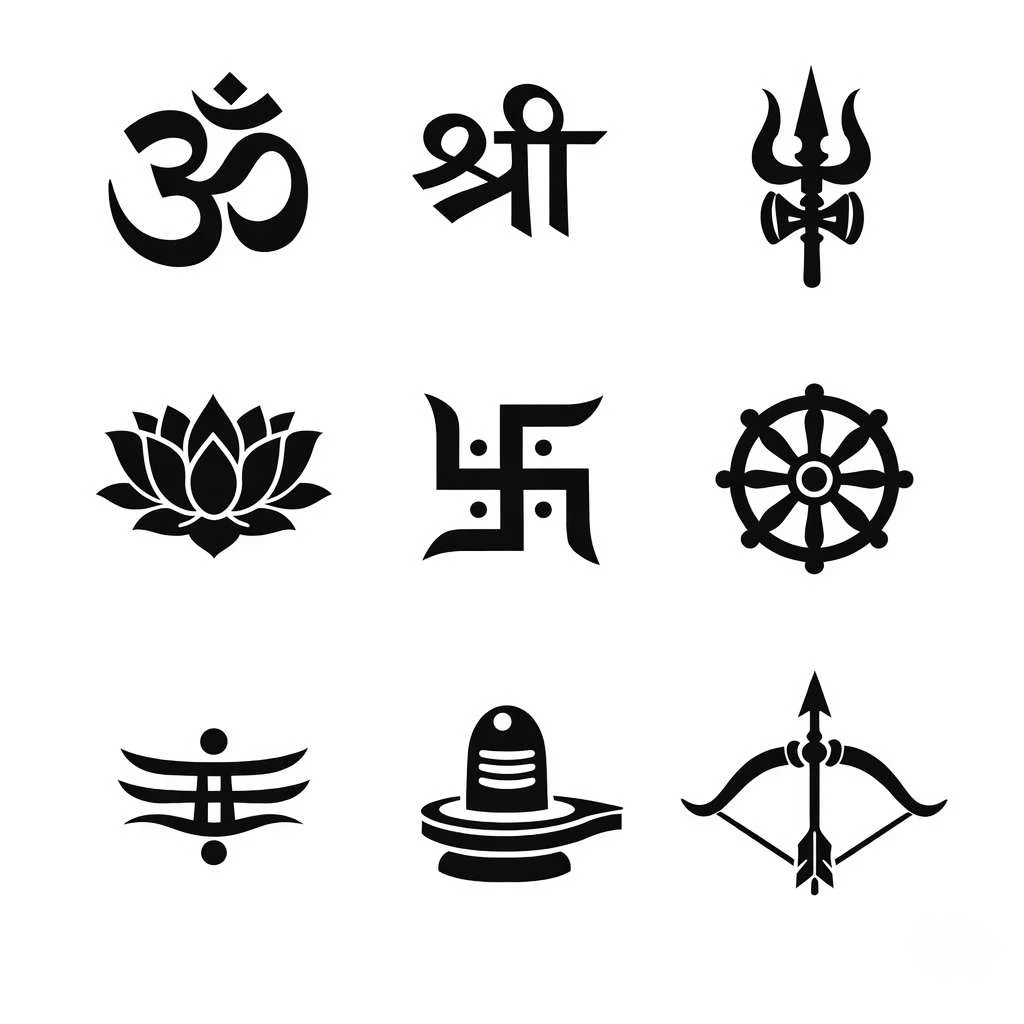
Humans are naturally drawn to symbols because they simplify complex ideas into visual forms. Sanskrit symbols, in particular, resonate deeply because they combine beauty with meaning.
Psychologically, these symbols trigger emotional responses. Their symmetry, curves, and patterns create a sense of harmony and balance.
Emotionally, they offer comfort. In times of uncertainty, a simple symbol can remind someone of purpose, faith, or inner strength.
There is also a sense of mystery. Sanskrit symbols feel ancient and timeless, as if they carry secrets waiting to be discovered. This curiosity draws people in and keeps them connected.
At a deeper level, these symbols reflect universal truths that exist within every human being. They are not just external images, they are mirrors of the inner self.
FAQs
What is the most powerful Sanskrit symbol?
The Om symbol is often considered the most powerful because it represents the sound of the universe and the essence of existence.
Are Sanskrit symbols religious?
Many Sanskrit symbols have religious origins, especially in Hinduism and Buddhism, but they are also used for spiritual and cultural purposes beyond religion.
Can anyone use Sanskrit symbols?
Yes, but it is important to understand their meaning and respect their cultural and spiritual significance.
What do Sanskrit symbols mean in tattoos?
In tattoos, they often represent personal beliefs, growth, peace, or spiritual journeys.
Are Sanskrit symbols still used today?
Absolutely, they are widely used in yoga, meditation, art, and modern design around the world.
Conclusion
Sanskrit symbols are more than ancient designs carved into history, they are living expressions of human thought, emotion, and spirituality. They carry the whispers of sages, the hopes of generations, and the timeless search for meaning.
Whether seen in a quiet moment of meditation or worn as a symbol of identity, they remind us that life is deeper than it appears. In their silent beauty, they invite you to pause, reflect, and reconnect with the essence of who you truly are.

Sophia Reed
Hi, I’m Sophia Reed, a storyteller at heart who finds magic in everyday moments. Ever since I could hold a pen, I’ve been weaving tales that explore love, courage, and the unexpected twists of life. Writing allows me to connect with readers on a deeper level, sharing emotions and experiences that resonate across worlds. When I’m not lost in my stories, you can find me wandering through quiet streets, sipping coffee, or dreaming up my next plot twist. I believe every story has the power to inspire, heal, and transport. Through my books, I hope to leave a piece of my imagination with you.
Books:
-
Whispers of the Heart
-
Shadows and Sunlight