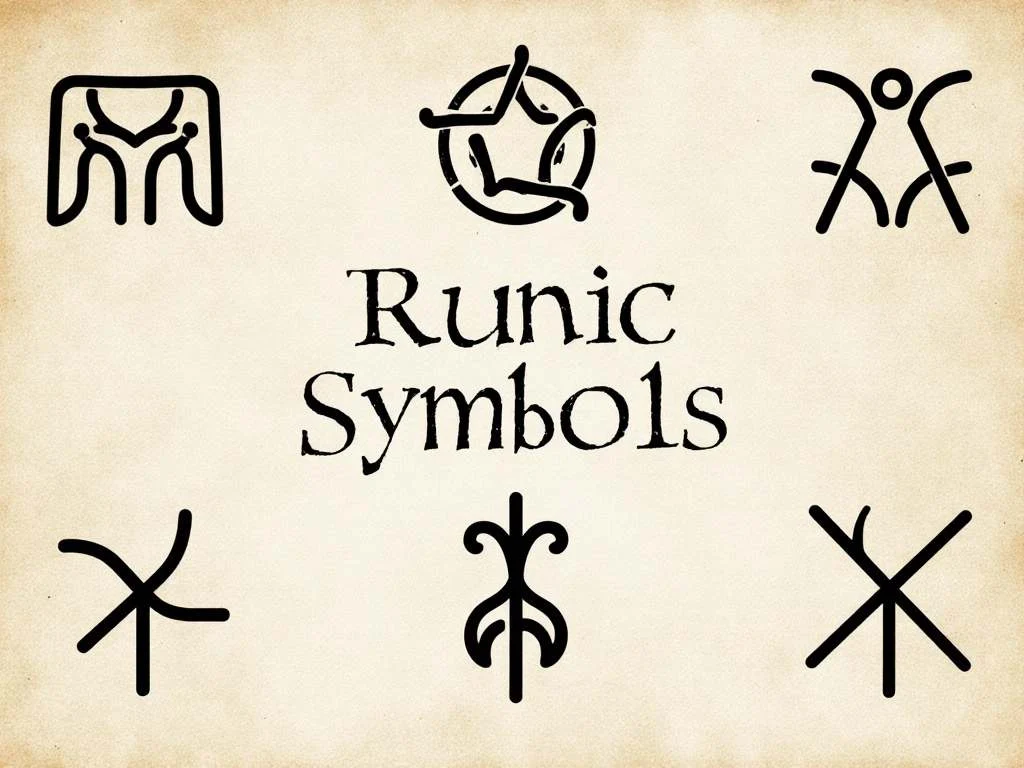
“Runic symbols” have whispered through centuries, carved into stone, wood and memory, carrying secrets that feel strangely familiar even today.
They are more than ancient letters, they are echoes of human belief, fear, hope and destiny. From warriors seeking protection to seekers searching for meaning, runes have always held a quiet power.
This guide reveals the deeper truth behind these mystical signs and why they still speak to your soul.
What Are Runic Symbols?
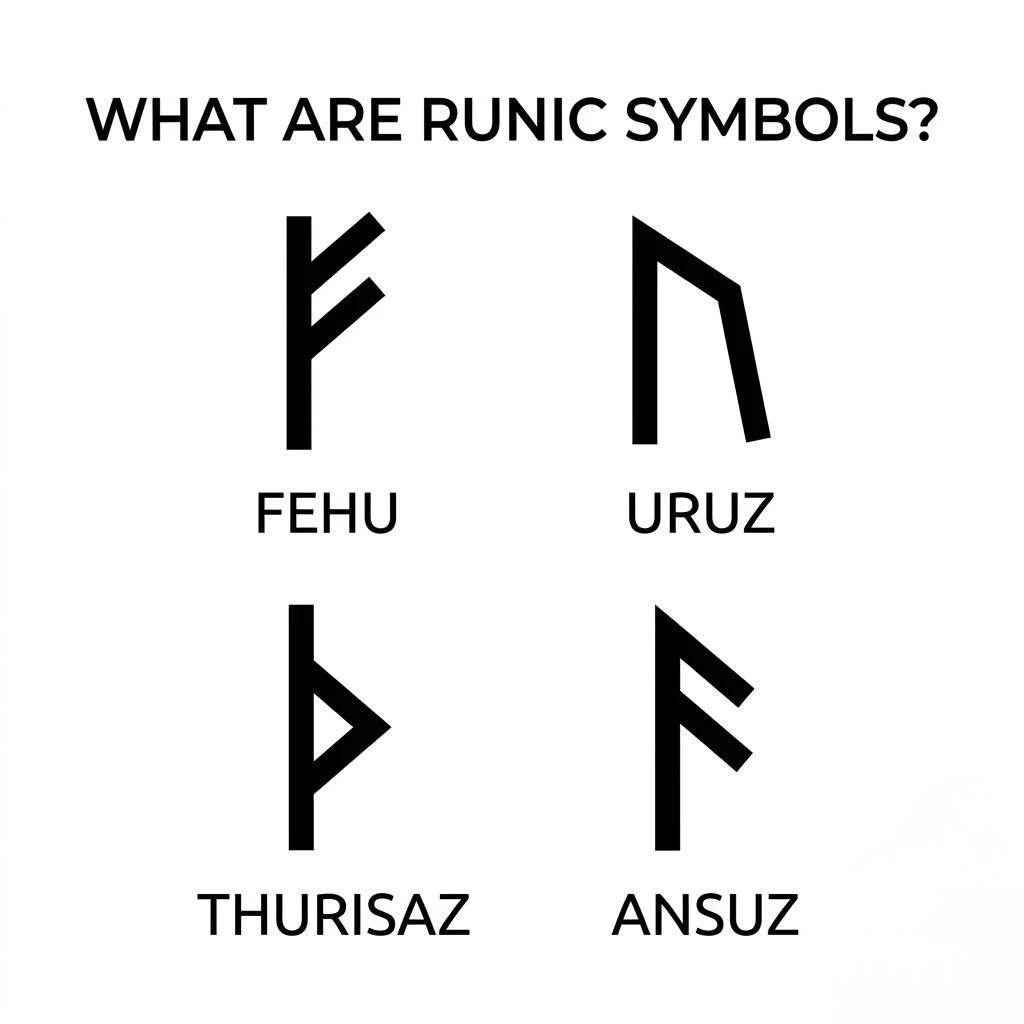
Runic symbols are characters from ancient alphabets known as runes, used primarily by Germanic and Norse peoples between roughly 150 to 1100 AD. The most well known system is the Elder Futhark, named after its first six letters.
Unlike modern alphabets, runes were never just tools for writing. Each symbol carried a name, a sound, and a deeper meaning tied to nature, life forces, and spiritual beliefs. People carved them into weapons, stones, jewelry, and even doorways, believing they could influence fate, offer protection, or bring success.
Historically, runes are strongly connected to Norse mythology, especially the god Odin, who according to legend sacrificed himself to gain the knowledge of runes. This origin story alone reveals their perceived sacredness and power.
Deep Symbolic Meaning
Spiritual Level
On a spiritual level, runic symbols act as channels between the physical and unseen worlds. Each rune embodies a force of nature such as growth, protection, transformation, or destiny. People believed runes could guide decisions, reveal hidden truths, and connect them to divine wisdom.
Psychological Level
Psychologically, runes function like archetypes. They mirror inner states, fears, desires, and personal journeys. For example, a rune representing change may resonate with someone going through a life transition. In this way, runes become tools for reflection and self discovery.
Cultural Level
Culturally, runic symbols represent identity, tradition, and survival. They tell stories of ancient tribes, their struggles, and their worldview. Even today, they symbolize a connection to roots, heritage, and timeless human questions.
Types and Variations of Runic Symbols
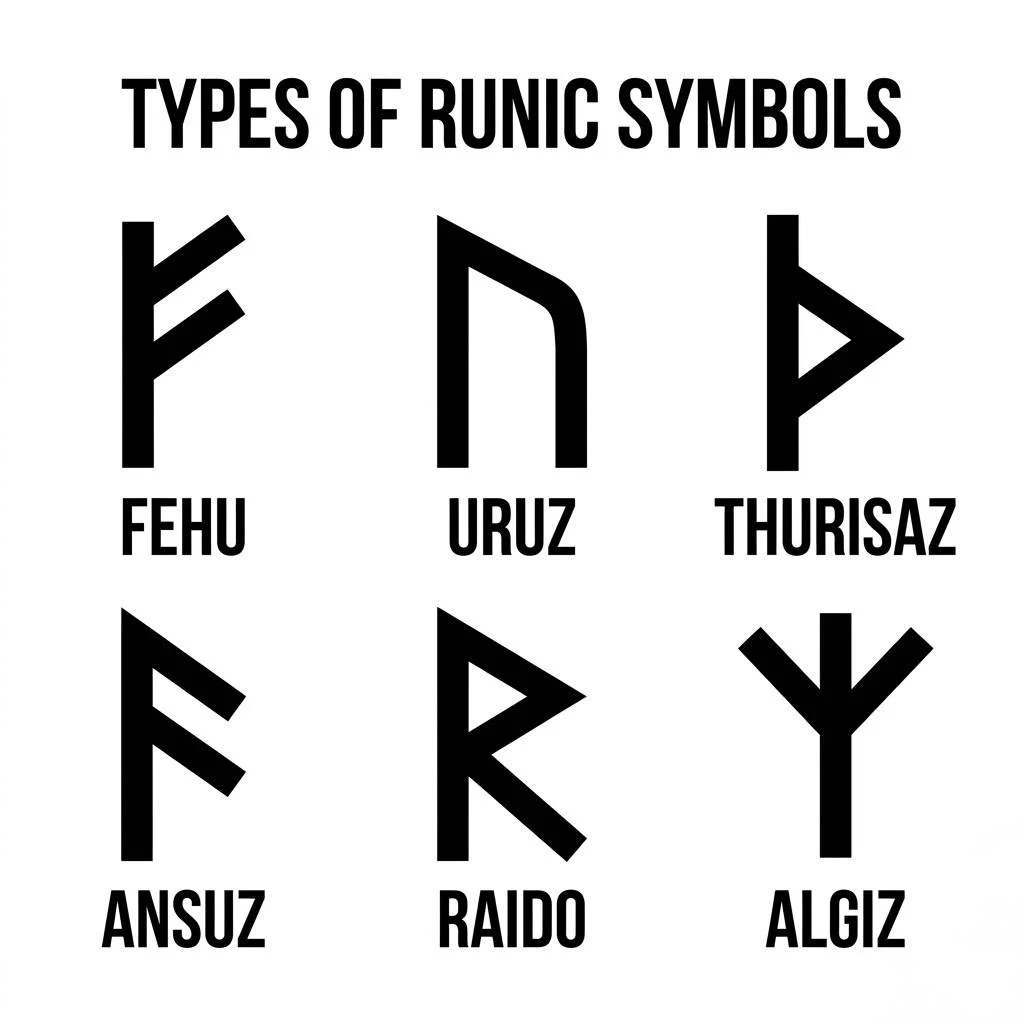
Fehu
Visual description: Looks like an upward branching shape similar to a tilted F
Meaning: Wealth, abundance, prosperity
Where it appears: Norse carvings, amulets, modern spiritual practices
Fehu represents not just material wealth but also energy, flow, and new beginnings.
Uruz
Visual description: A strong vertical line with a curved extension
Meaning: Strength, vitality, raw power
Where it appears: Ancient inscriptions, warrior symbolism
Uruz reflects physical strength and inner resilience.
Thurisaz
Visual description: Similar to a thorn or hammer shape
Meaning: Protection, conflict, defense
Where it appears: Mythology, protective charms
This rune is linked with both danger and protection, symbolizing powerful forces.
Ansuz
Visual description: A vertical line with two outward branches
Meaning: Communication, wisdom, divine inspiration
Where it appears: Rituals, storytelling traditions
Ansuz connects to speech, knowledge, and divine messages.
Raido
Visual description: Resembles a letter R with angular lines
Meaning: Journey, movement, destiny
Where it appears: Travel symbols, life path interpretations
Raido represents both physical travel and life direction.
Algiz
Visual description: Looks like a person with raised arms
Meaning: Protection, higher self, spiritual awareness
Where it appears: Protective amulets, spiritual art
Algiz is often seen as a shield against harm and a connection to higher consciousness.
Runic Symbols Across Cultures
Norse Culture
In Norse society, runes were sacred and magical. They were used for divination, protection, and communication with the divine.
Anglo Saxon Culture
Runes evolved into the Anglo Saxon Futhorc, expanding in number and adapting to local language and beliefs.
Germanic Tribes
Among Germanic peoples, runes were practical and mystical, used in everyday life but also in rituals and ceremonies.
Modern Western Spirituality
Today, runes are widely used in spiritual practices, meditation, and self reflection, often similar to tarot reading.
Contemporary Pop Spiritual Culture
Runes have been reinterpreted as symbols of personal growth, manifestation, and inner healing.
Runic Symbols in Art, Movies and Pop Culture
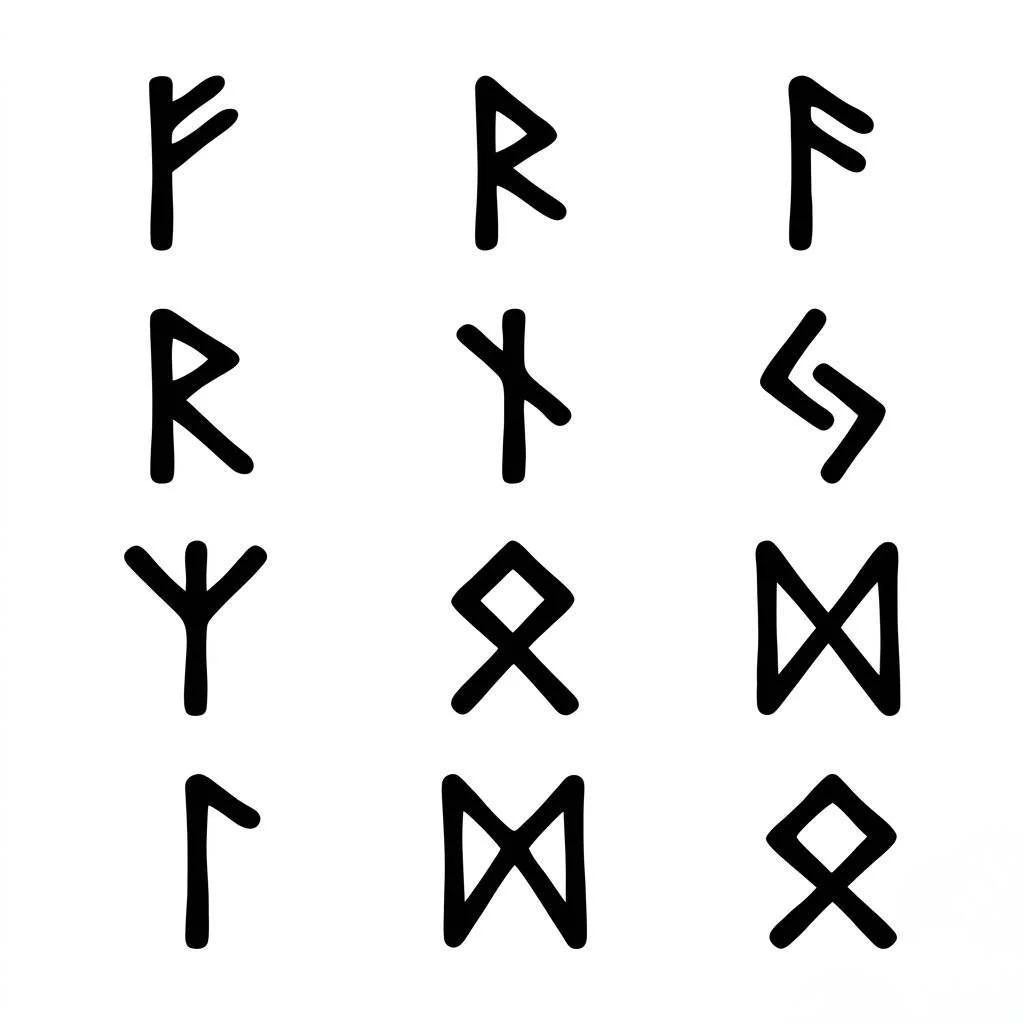
Runic symbols appear widely in modern media, often representing mystery, ancient power, or hidden knowledge.
- Movies use runes to signal magic, ancient curses, or secret codes
- Books, especially fantasy novels, use runes as magical alphabets
- Tattoos feature runes as personal symbols of strength, protection, or identity
- Fashion incorporates rune like designs to evoke mystery and heritage
- Video games use runes as power ups, spells, or ancient relics
Their presence in pop culture keeps their legacy alive while giving them new interpretations.
Spiritual and Dream Meaning of Runic Symbols
Seeing runic symbols in dreams or meditation often suggests a message from your subconscious. It may represent guidance, warning, or transformation.
For example
- A protection rune may appear when you feel vulnerable
- A journey rune may show up during life transitions
- A transformation rune may appear when you are evolving internally
Spiritually, many believe runes act as signs pointing toward deeper awareness and hidden truths.
Positive vs Negative Meaning
Runic symbols are not purely good or bad. Their meaning depends on context, intention, and interpretation.
Positive meanings include
- Protection
- Growth
- Wisdom
- Strength
Negative meanings include
- Conflict
- Destruction
- Chaos
- Uncertainty
For example, a rune symbolizing change can mean growth or loss depending on the situation.
Why Humans Are Attracted to Runic Symbols
Humans are naturally drawn to symbols that feel ancient and meaningful. Runic symbols tap into something deeper than logic.
They offer
- A sense of mystery and hidden knowledge
- A connection to ancient roots and traditions
- A way to express identity and beliefs
- A tool for self reflection and personal growth
Psychologically, they act like mirrors, reflecting what we feel but cannot always explain. Emotionally, they give shape to the invisible parts of life.
FAQs
What do runic symbols mean?
Runic symbols represent both sounds and deeper meanings such as strength, protection, and transformation.
Are runic symbols magical?
Historically, people believed they had magical properties, especially for protection and divination. Today, they are often used symbolically.
Can anyone use runes?
Yes, anyone can study and use runes for learning, reflection, or spiritual exploration.
Are runic symbols still used today?
Yes, they are used in spirituality, art, tattoos, and popular culture.
Do runes predict the future?
Runes are often used for guidance rather than exact prediction, helping people reflect on possible outcomes.
Conclusion
Runic symbols are more than relics of the past, they are living echoes of human thought, belief and emotion. They remind us that even in a modern world, we still search for meaning in shapes, signs and stories.
When you look at a rune, you are not just seeing a symbol, you are touching a piece of ancient wisdom that still speaks, quietly, to those willing to listen.

Nora Bennett
Nora Bennett is a storyteller at heart, always finding magic in the everyday moments of life. From a young age, she discovered the joy of weaving emotions into words, creating characters that feel like old friends. Writing, for her, is both an adventure and a sanctuary—a way to explore the world and herself. She loves connecting with readers who share her passion for heartfelt stories and unforgettable journeys. When she’s not crafting her next tale, Nora enjoys quiet mornings with a cup of coffee and a notebook full of ideas. Her stories are meant to inspire, comfort, and spark imagination in everyone who reads them.
Books:
-
Whispers of Yesterday
-
Echoes of Tomorrow