
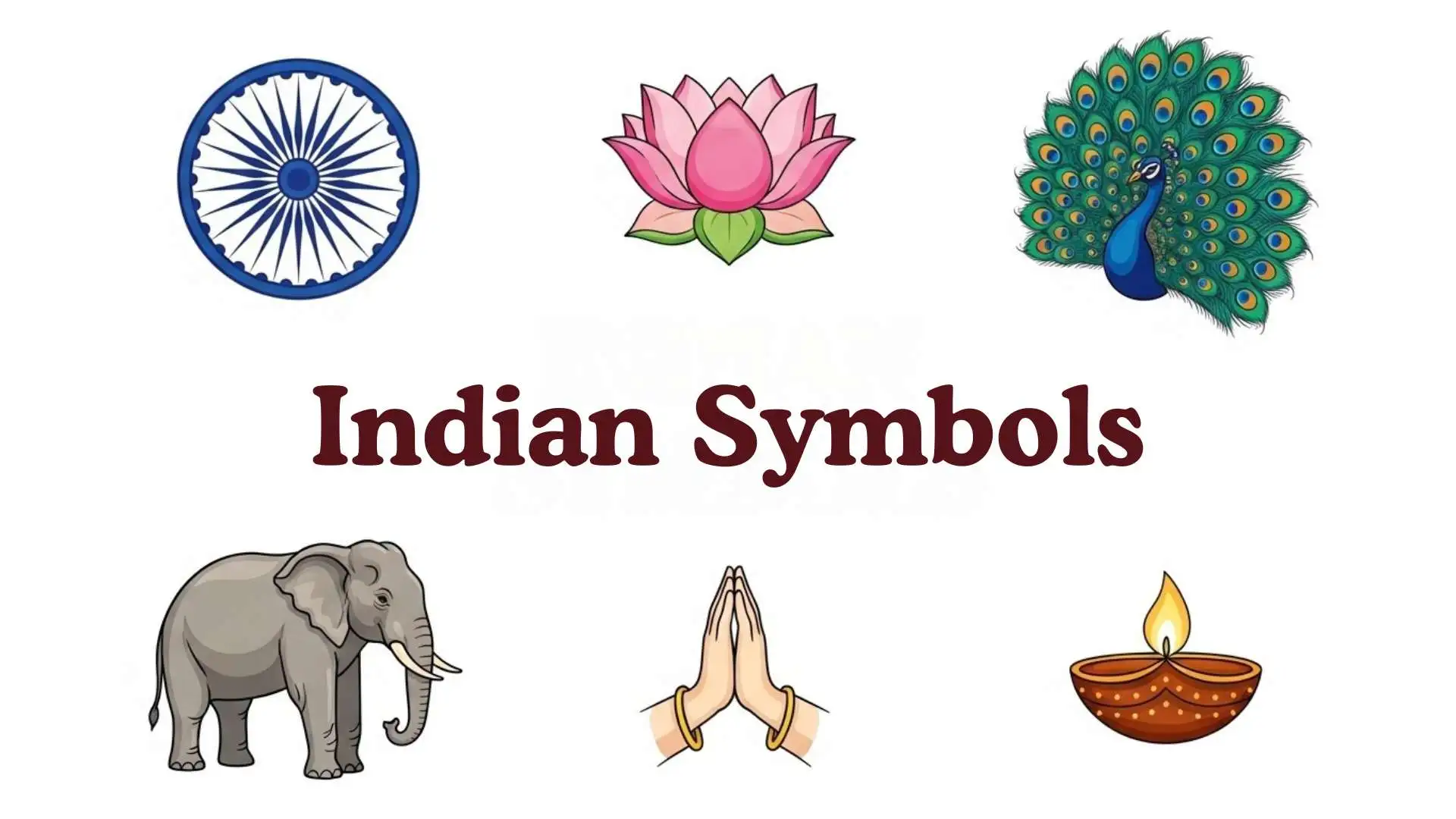
“Indian symbols” carry ancient energy that still whispers through modern life.
From temple walls to everyday rituals, these sacred signs connect you to something deeper than words. They hold stories of creation, protection, and transformation that shaped human consciousness for thousands of years.
When you truly understand Indian symbols, you begin to see life itself through a richer, more meaningful lens.
What Are Indian Symbols?
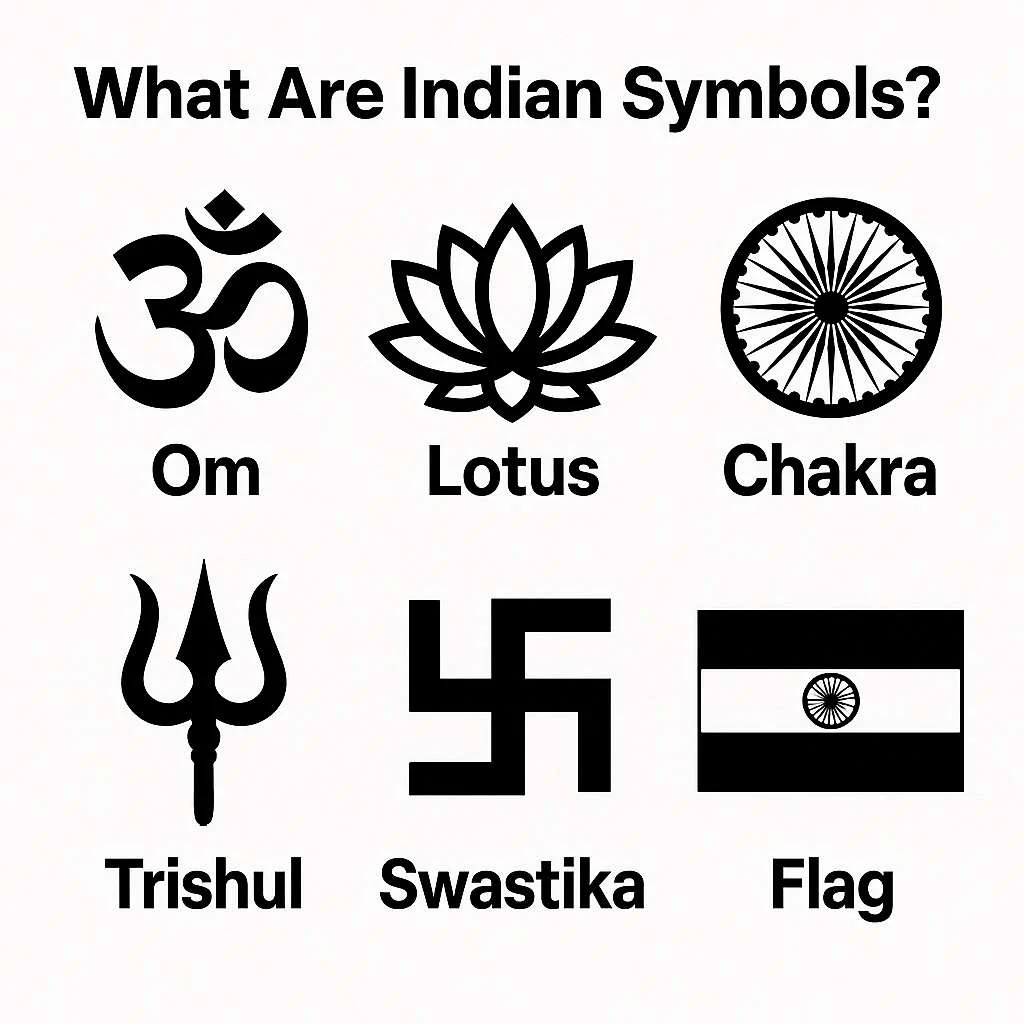
Indian symbols are visual representations rooted in the spiritual, cultural, and philosophical traditions of India. They are not just decorative marks. They carry layered meanings drawn from religions like Hinduism, Buddhism, and Jainism.
Historically, these symbols date back to the Indus Valley Civilization, where early forms of sacred geometry and symbolic markings appeared on seals and pottery. Over centuries, they evolved into powerful spiritual tools used in temples, meditation, art, and daily rituals.
Indian symbols often represent universal truths such as life, death, rebirth, protection, energy, and cosmic balance. They act as bridges between the physical and the spiritual world.
Deep Symbolic Meaning
Spiritual Level
At a spiritual level, Indian symbols act as gateways to higher consciousness. For example, the sacred sound symbol Om represents the vibration of the universe itself. Many believe chanting it aligns your soul with cosmic energy.
Psychological Level
Psychologically, these symbols provide comfort, identity, and meaning. Seeing a symbol like Lotus reminds people that beauty can rise from struggle. It reflects human resilience and growth through adversity.
Cultural Level
Culturally, Indian symbols shape traditions, festivals, and daily life. The Swastika, for instance, is widely used in Indian homes and ceremonies as a sign of good fortune and prosperity, far removed from its distorted modern associations.
Types and Variations of Indian Symbols
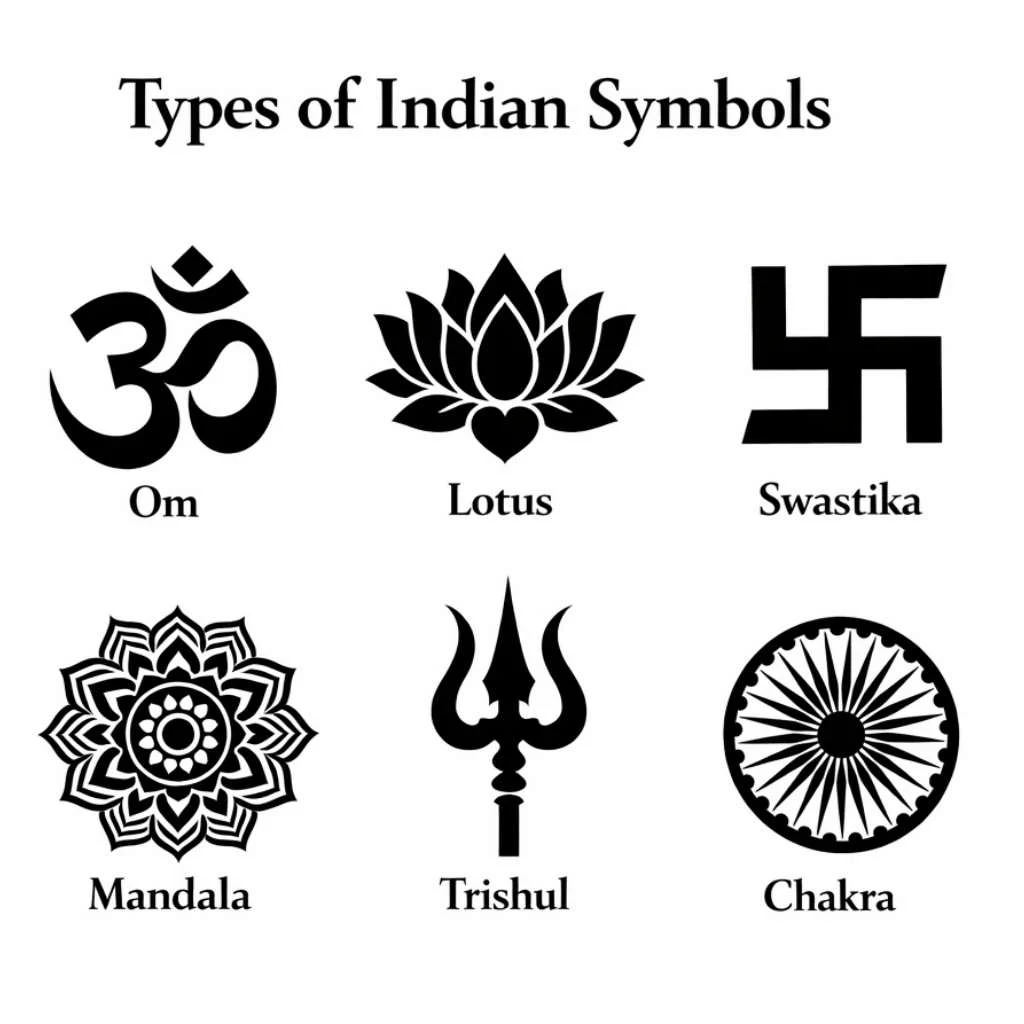
Om
Visual Description: A flowing, curved symbol with a crescent and dot
Meaning: Universal sound, creation, divine consciousness
Where It Appears: Meditation, temples, yoga practices, spiritual texts
Lotus
Visual Description: A blooming flower rising from water
Meaning: Purity, enlightenment, rebirth
Where It Appears: Religious art, statues of deities, tattoos, paintings
Swastika
Visual Description: A cross with arms bent at right angles
Meaning: Good luck, auspicious beginnings, prosperity
Where It Appears: Weddings, festivals, doorways, rituals
Mandala
Visual Description: Circular geometric patterns with intricate symmetry
Meaning: Universe, wholeness, balance
Where It Appears: Meditation art, sand rituals, architecture
Trishul
Visual Description: A three-pronged spear
Meaning: Power, creation, preservation, destruction
Where It Appears: Associated with Shiva, temples, mythological art
Chakra
Visual Description: A spinning wheel with spokes
Meaning: Energy centers, cosmic order, movement of life
Where It Appears: Yoga philosophy, the Ashoka Chakra on India’s flag
Indian Symbols in Daily Life and Rituals
Indian symbols are deeply woven into everyday life, appearing in homes, ceremonies, and personal practices. They are not limited to temples or scriptures, they live in daily routines and meaningful moments.
At the entrance of many homes, symbols like Om and Swastika are drawn to invite positivity and protection. During festivals such as Diwali, people create rangoli designs filled with symbolic patterns that represent prosperity and harmony. In weddings, sacred symbols are used in decorations, rituals, and clothing to bless the couple with happiness and a strong future.
Business owners often use these symbols when starting new ventures as a sign of good luck and success. Even in personal spaces, people wear or display symbols as a form of spiritual connection, protection, and inner peace.
These symbols quietly guide daily life, turning ordinary actions into meaningful rituals filled with intention and belief.
Indian Symbols and Sacred Geometry
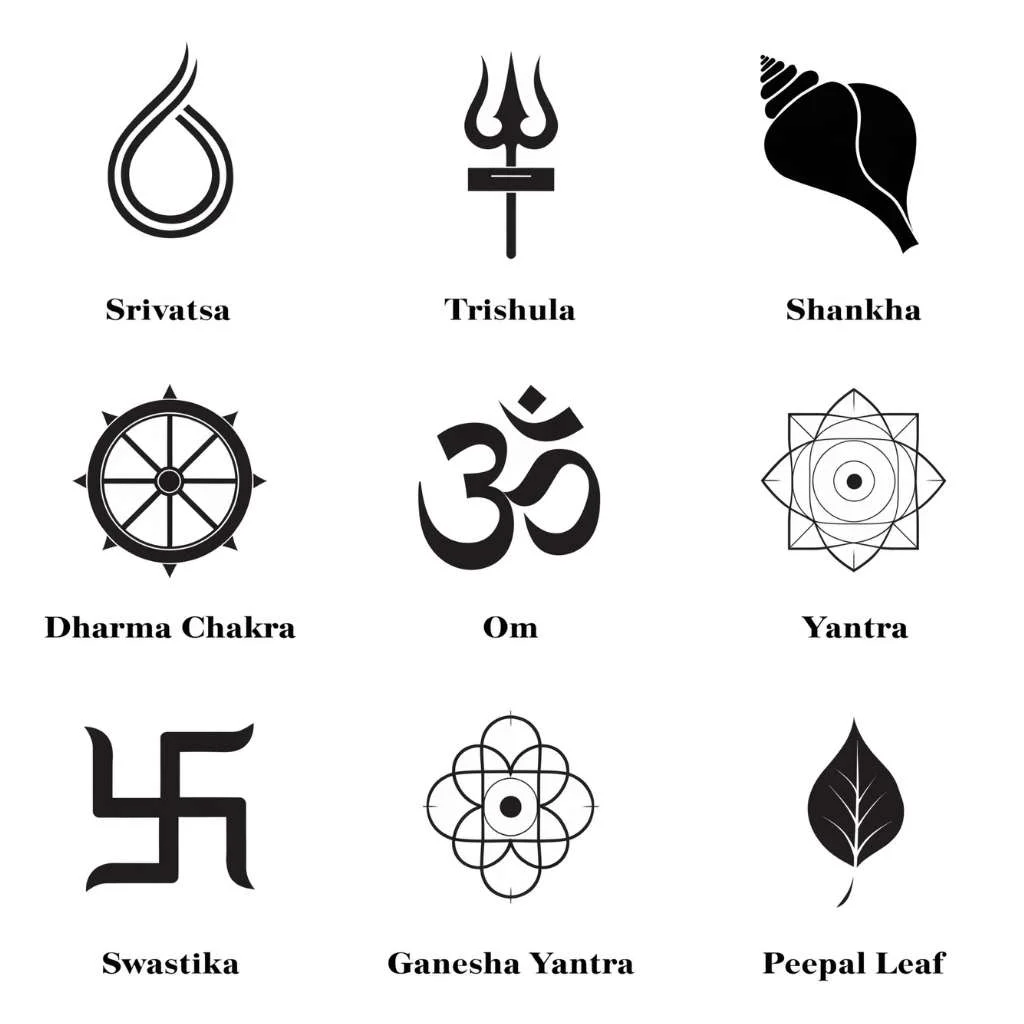
Indian symbols are closely connected to sacred geometry, where patterns and shapes reflect the structure of the universe. These designs are not random, they are carefully created to represent balance, harmony, and cosmic order.
The mandala is one of the most powerful examples, made with intricate geometric patterns that symbolize wholeness and unity. Each line and shape carries meaning, guiding the mind toward focus and meditation. These patterns are often used in spiritual practices to help individuals connect with their inner self and the universe.
Sacred geometry in Indian symbols also reflects the flow of energy. Symmetry and repetition create a sense of calm and alignment, which is why these designs are commonly used in temples, art, and meditation spaces.
Through these geometric forms, Indian symbols reveal a deeper truth, that the universe itself follows patterns, and by understanding them, humans can find balance within their own lives.
Spiritual and Dream Meaning of Indian Symbols
When Indian symbols appear in dreams or meditation, many believe they carry messages from the subconscious or the universe.
Seeing Om in a dream may suggest spiritual awakening or a call for inner peace.
A lotus appearing in your vision can symbolize personal growth after a difficult phase.
A chakra symbol may indicate energy imbalance or healing in your life.
These interpretations are not fixed. They depend on your emotions, experiences, and spiritual beliefs.
Positive vs Negative Meaning
Indian symbols are powerful because they hold dual meanings.
Positive meanings include protection, enlightenment, growth, and harmony.
However, some symbols can also represent destruction, transformation, or the end of a cycle.
For example, the trishul symbolizes both creation and destruction, reminding us that endings are often necessary for new beginnings. Even the swastika, originally a symbol of good fortune, shows how meaning can shift based on context and history.
Why Humans Are Attracted to Indian Symbols
Humans are naturally drawn to symbols because they simplify complex emotions and ideas.
Indian symbols are especially powerful because they combine visual beauty with deep philosophical meaning. They speak to both the conscious and subconscious mind.
You may not fully understand a symbol, yet you feel connected to it. That connection comes from something deeper, a shared human desire to find meaning, purpose, and belonging.
Symbols like the lotus or Om resonate because they reflect your inner journey. They mirror your struggles, hopes, and transformations.
FAQs
What are the most important Indian symbols?
Some of the most important include Om, lotus, swastika, mandala, trishul, and chakra, each carrying deep spiritual and cultural meanings.
Are Indian symbols only religious?
No. While many are rooted in religion, they also appear in art, culture, psychology, and everyday life.
Why is the swastika used in India?
In India, the swastika is an ancient symbol of good luck and prosperity, used in rituals and celebrations for thousands of years.
What does Om symbolize?
Om represents the sound of the universe and the essence of ultimate reality in spiritual traditions.
Can Indian symbols be used in tattoos?
Yes, but it is important to understand their meaning and cultural significance before using them.
Conclusion
Indian symbols are more than ancient designs. They are living expressions of human thought, belief, and emotion. Each line, curve, and pattern carries wisdom that has guided generations through life’s deepest questions.
When you look at these symbols with awareness, they begin to reveal truths about your own journey. They remind you that life is not random. It is meaningful, connected, and constantly evolving.
In the end, Indian symbols do not just belong to a culture. They belong to anyone searching for deeper understanding and a sense of connection in this vast universe.

Julian Shaw
I’ve always been fascinated by the small, quiet stories that make life feel magical. Writing allows me to explore worlds that exist just beyond the everyday, where imagination meets reality. Over the years, I’ve found joy in creating characters that feel real and stories that stay with readers long after the last page. When I’m not writing, you can usually find me wandering through city streets, notebook in hand, capturing little sparks of inspiration. I believe every story has the power to connect us, to make us feel a little less alone. Sharing these tales is my way of leaving a mark on the world.
Books:
-
Whispers in the Wind
-
Shadows of Tomorrow