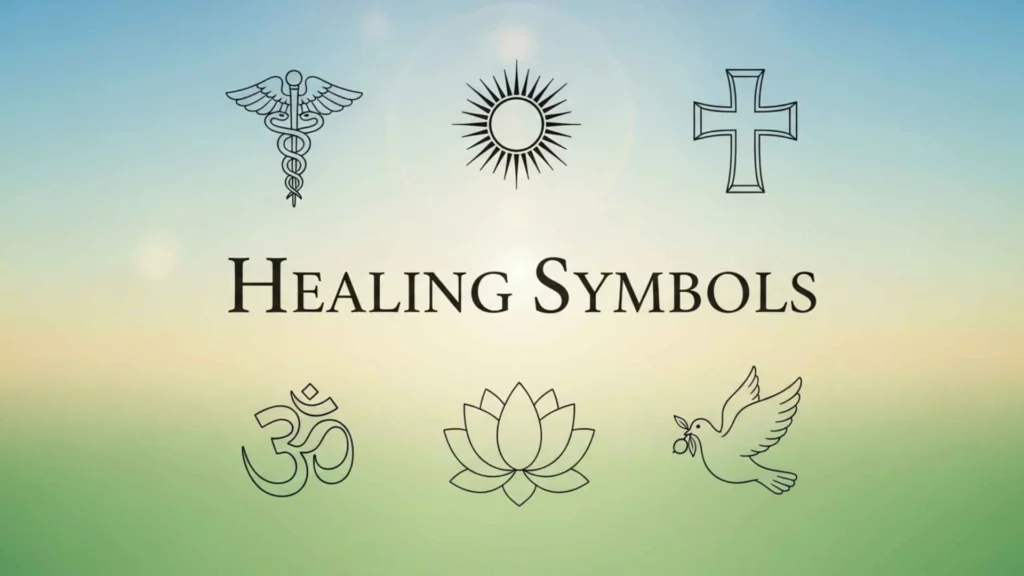
“Healing symbols” have quietly guided humanity through pain, growth, and transformation for thousands of years.
From ancient carvings to modern tattoos, these sacred signs carry meanings that touch something deep within us.
They are not just shapes or designs but emotional anchors that help people feel safe, restored, and connected.
In this guide, you will uncover the powerful meanings, origins, and secrets of healing symbols that most people never fully understand.
What Are Healing Symbols?
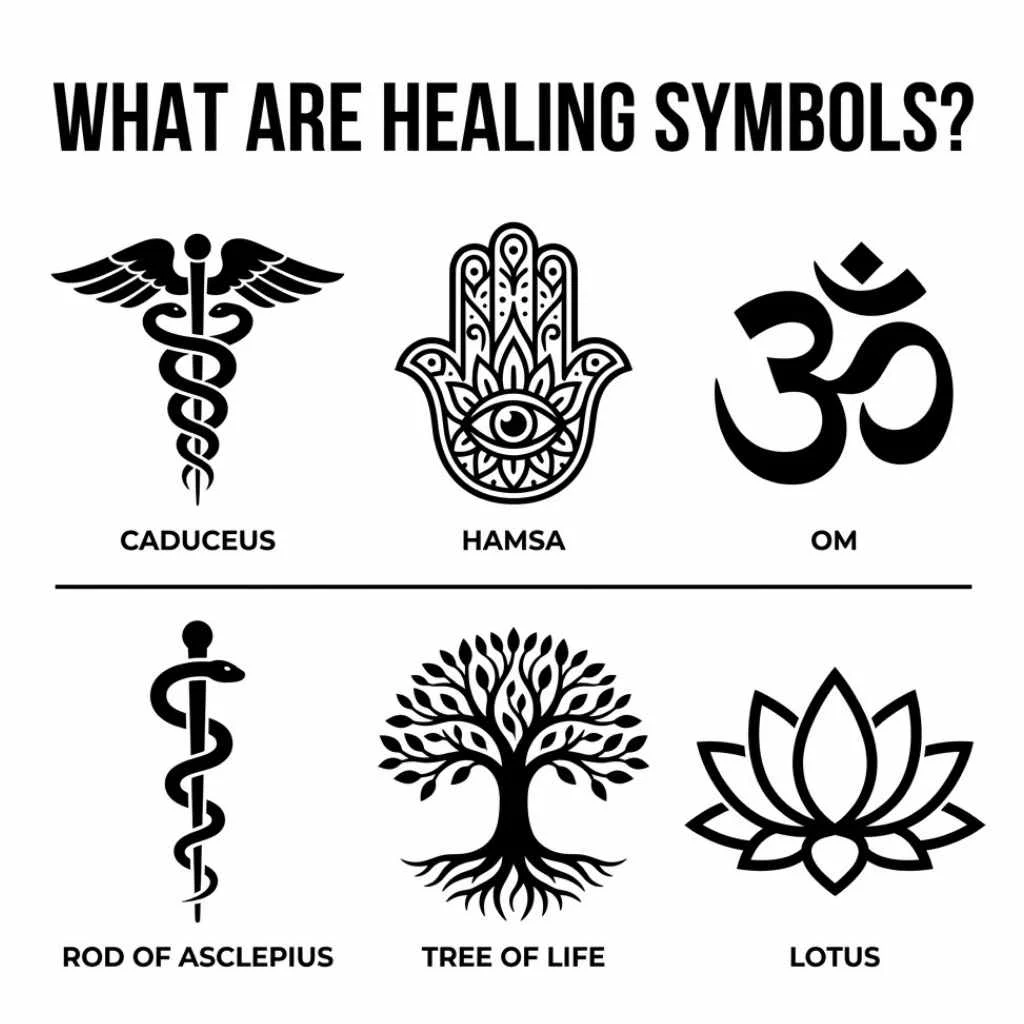
Healing symbols are visual representations that carry spiritual, emotional, or psychological meanings linked to restoration, balance, and well being. People across different cultures have used these symbols to promote healing of the mind, body, and soul.
Historically, these symbols appear in ancient civilizations like Egypt, India, Greece, and China. They were carved into temples, painted on walls, worn as jewelry, and used in rituals. Many believed these symbols held divine energy that could protect, cleanse, or restore harmony.
At their core, healing symbols work through belief, intention, and emotional connection. When a person connects with a symbol, it can influence their mindset, calm their thoughts, and even create a sense of inner peace.
Deep Symbolic Meaning
Healing symbols are powerful because they speak to multiple layers of human experience.
Spiritual Level
On a spiritual level, healing symbols represent connection to higher energy or divine forces. Many people believe these symbols act as channels for universal healing energy, guiding individuals toward peace and enlightenment.
Psychological Level
Psychologically, symbols influence the subconscious mind. A simple shape can trigger feelings of safety, hope, or renewal. For example, circular patterns often represent wholeness, which can subconsciously reduce anxiety.
Cultural Level
Culturally, healing symbols carry shared meanings passed through generations. They reflect collective beliefs about life, death, rebirth, and protection. This shared understanding strengthens their emotional impact.
Types and Variations of Healing Symbols
Below are some of the most powerful and widely recognized healing symbols across the world.
1. The Ankh
- Visual Description: A cross with a loop at the top
- Meaning: Eternal life and spiritual healing
- Where It Appears: Ancient Egyptian art, temples, and jewelry
The Ankh symbolizes the flow of life energy and is often associated with divine healing and immortality.
2. The Lotus Flower
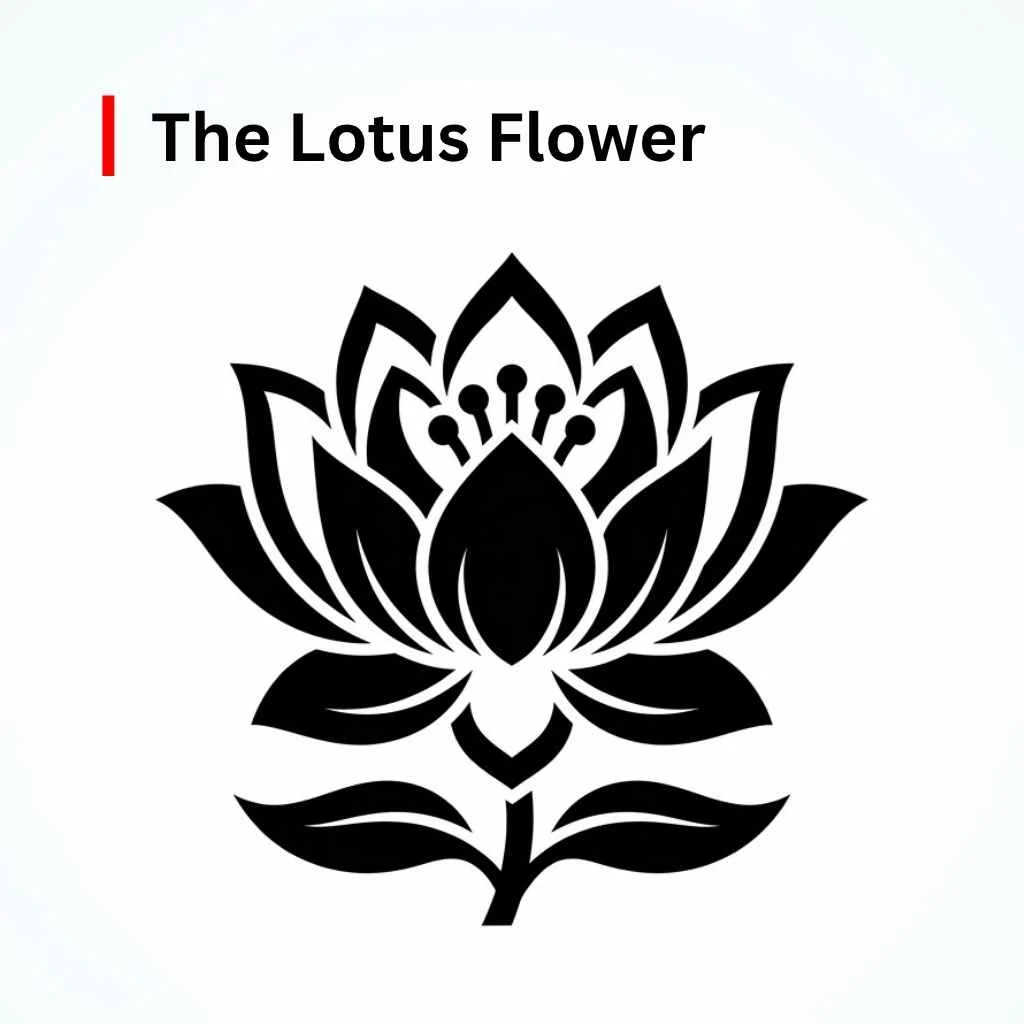
- Visual Description: A blooming flower rising from muddy water
- Meaning: Purity, rebirth, and emotional healing
- Where It Appears: Buddhism, Hinduism, meditation art
The lotus teaches that healing comes through struggle, as it blooms beautifully despite growing in mud.
3. The Caduceus
- Visual Description: A staff with two snakes wrapped around it and wings at the top
- Meaning: Balance, transformation, and medical healing
- Where It Appears: Medical symbols, Greek mythology
It represents the balance between opposing forces and the process of healing through transformation.
4. The Reiki Symbols
- Visual Description: Sacred geometric shapes used in energy healing
- Meaning: Energy flow, emotional balance, spiritual healing
- Where It Appears: Reiki practices and spiritual healing sessions
These symbols are believed to channel healing energy through intention and focus.
5. The Tree of Life
- Visual Description: A tree with deep roots and wide branches
- Meaning: Growth, strength, and interconnected healing
- Where It Appears: Norse mythology, Celtic art, spiritual traditions
It represents the connection between all living things and the cycle of life.
6. The Spiral
- Visual Description: A circular pattern moving outward
- Meaning: Growth, evolution, and continuous healing
- Where It Appears: Ancient carvings, nature, sacred geometry
The spiral reflects the journey of healing as a continuous, evolving process.
Healing Symbols Across Cultures
Healing symbols appear in nearly every civilization, each adding its own interpretation.
Ancient Egypt
Symbols like the Ankh were believed to hold divine power. Priests used them in rituals to promote physical and spiritual healing.
India
In Hindu and Buddhist traditions, symbols like the lotus and mandalas represent spiritual awakening and inner peace.
China
Chinese culture uses symbols related to balance and energy flow, especially concepts tied to harmony and life force.
Celtic Culture
Celtic knots and spirals symbolize eternity and the interconnected nature of life and healing.
Native American Traditions
Healing symbols often appear in nature based designs, representing balance with the earth and spiritual guidance.
Healing Symbols in Art, Movies and Pop Culture
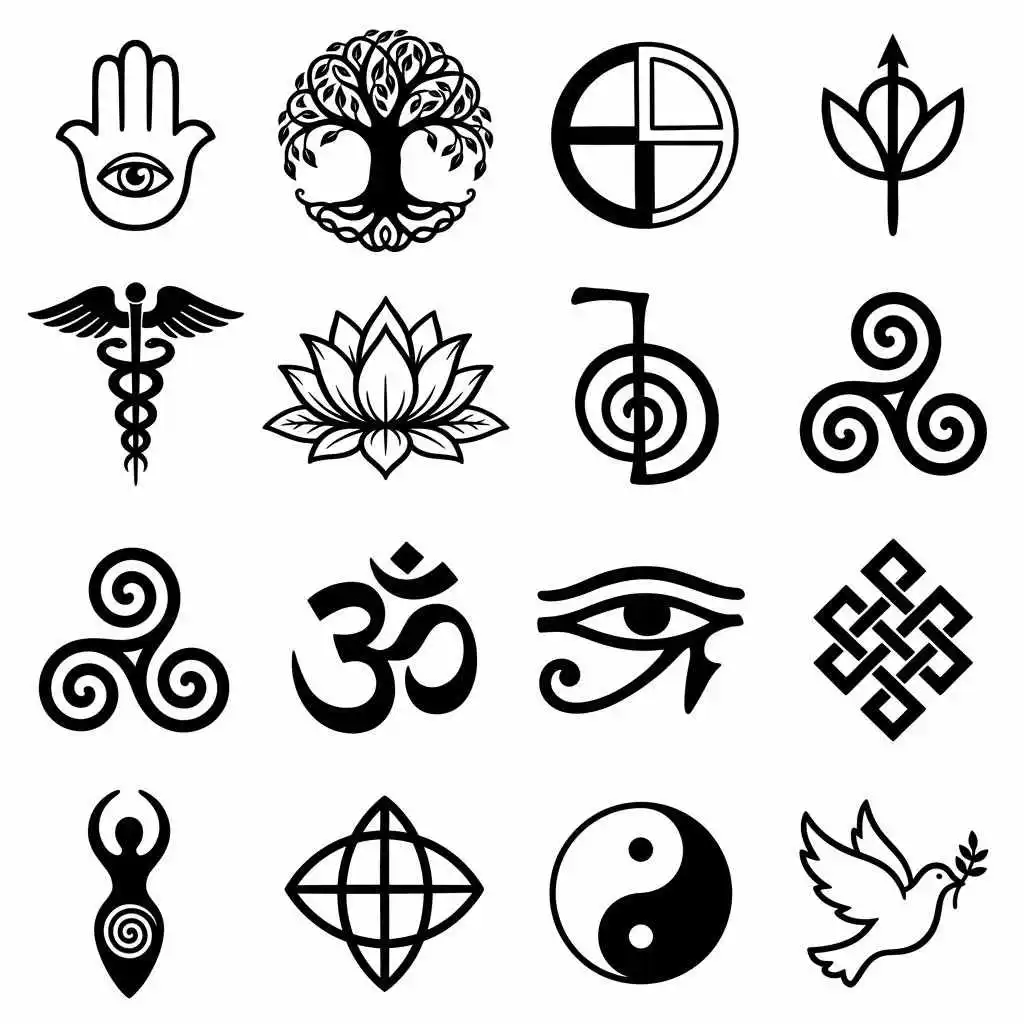
Healing symbols continue to influence modern creativity and expression.
- Movies: Symbols often appear as magical or mystical signs that represent power, protection, or transformation
- Paintings: Artists use symbolic imagery to express emotional healing and human struggle
- Books: Writers include symbols to represent character growth and inner change
- Tattoos: Many people choose healing symbols as permanent reminders of strength and recovery
- Fashion: Sacred symbols appear in designs as expressions of identity and spirituality
These modern uses show that healing symbols still carry deep meaning in everyday life.
Spiritual and Dream Meaning of Healing Symbols
When healing symbols appear in dreams or meditation, they often carry powerful messages.
- Seeing a lotus may suggest personal growth or emotional healing
- A spiral might indicate that you are evolving or going through change
- A tree symbol can represent stability and grounding
In spiritual practices, focusing on a symbol can help calm the mind and guide emotional healing.
Positive vs Negative Meaning
Healing symbols are not always purely positive. Their meanings can shift depending on context.
Positive Meaning
- Restoration
- Peace
- Growth
- Protection
Negative Meaning
- Resistance to change
- Emotional pain surfacing
- Misuse of spiritual beliefs
For example, a symbol of transformation can feel uncomfortable because healing often requires facing difficult emotions.
Why Humans Are Attracted to Healing Symbols
Humans are naturally drawn to symbols because they simplify complex emotions into visual forms.
- They create meaning: Symbols help people understand life experiences
- They provide comfort: Familiar shapes can reduce stress and anxiety
- They inspire hope: Healing symbols remind people that change is possible
- They connect us: Shared symbols create a sense of belonging
From a psychological perspective, symbols act as shortcuts for the brain, allowing people to process deep emotions quickly and intuitively.
FAQs About Healing Symbols
What is the most powerful healing symbol?
There is no single most powerful symbol. The strength of a healing symbol depends on personal belief and emotional connection.
Do healing symbols really work?
They work through psychological and emotional influence. While not magical, they can positively affect mindset and well being.
Can I use healing symbols in daily life?
Yes, many people use them in meditation, art, jewelry, or tattoos as reminders of healing and strength.
Are healing symbols religious?
Some are linked to religions, while others are universal and spiritual without specific religious ties.
What does it mean to dream about healing symbols?
It often indicates emotional growth, inner healing, or a need for balance in life.
Conclusion
Healing symbols are more than ancient designs. They are timeless expressions of human hope, resilience, and transformation. Across cultures and centuries, they have helped people navigate pain, find meaning, and reconnect with themselves.
In a world that often feels overwhelming, these symbols remind us of something simple yet powerful: healing is always possible. Sometimes, all it takes is a single symbol to reconnect with that truth.

Nora Bennett
Nora Bennett is a storyteller at heart, always finding magic in the everyday moments of life. From a young age, she discovered the joy of weaving emotions into words, creating characters that feel like old friends. Writing, for her, is both an adventure and a sanctuary—a way to explore the world and herself. She loves connecting with readers who share her passion for heartfelt stories and unforgettable journeys. When she’s not crafting her next tale, Nora enjoys quiet mornings with a cup of coffee and a notebook full of ideas. Her stories are meant to inspire, comfort, and spark imagination in everyone who reads them.
Books:
-
Whispers of Yesterday
-
Echoes of Tomorrow