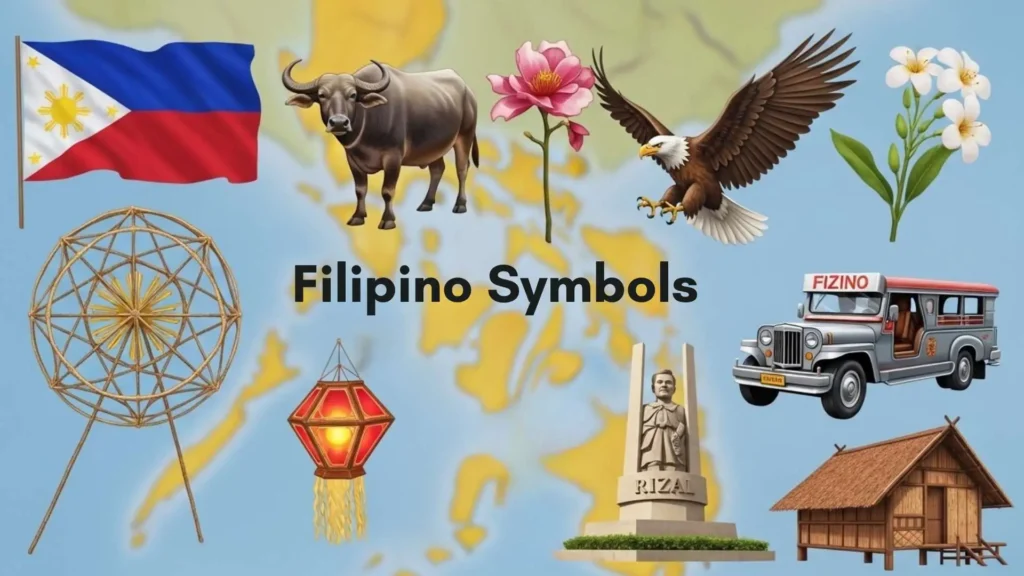
“Filipino Symbols”are more than visual icons, they are living stories carved into memory, belief and everyday life.
From ancient tattoos to sacred patterns and national emblems, these symbols carry emotions of struggle, hope, unity and pride.
They quietly shape how Filipinos see the world and themselves.
This article opens a door to meanings most people sense but rarely fully understand.
What Are Filipino Symbols?
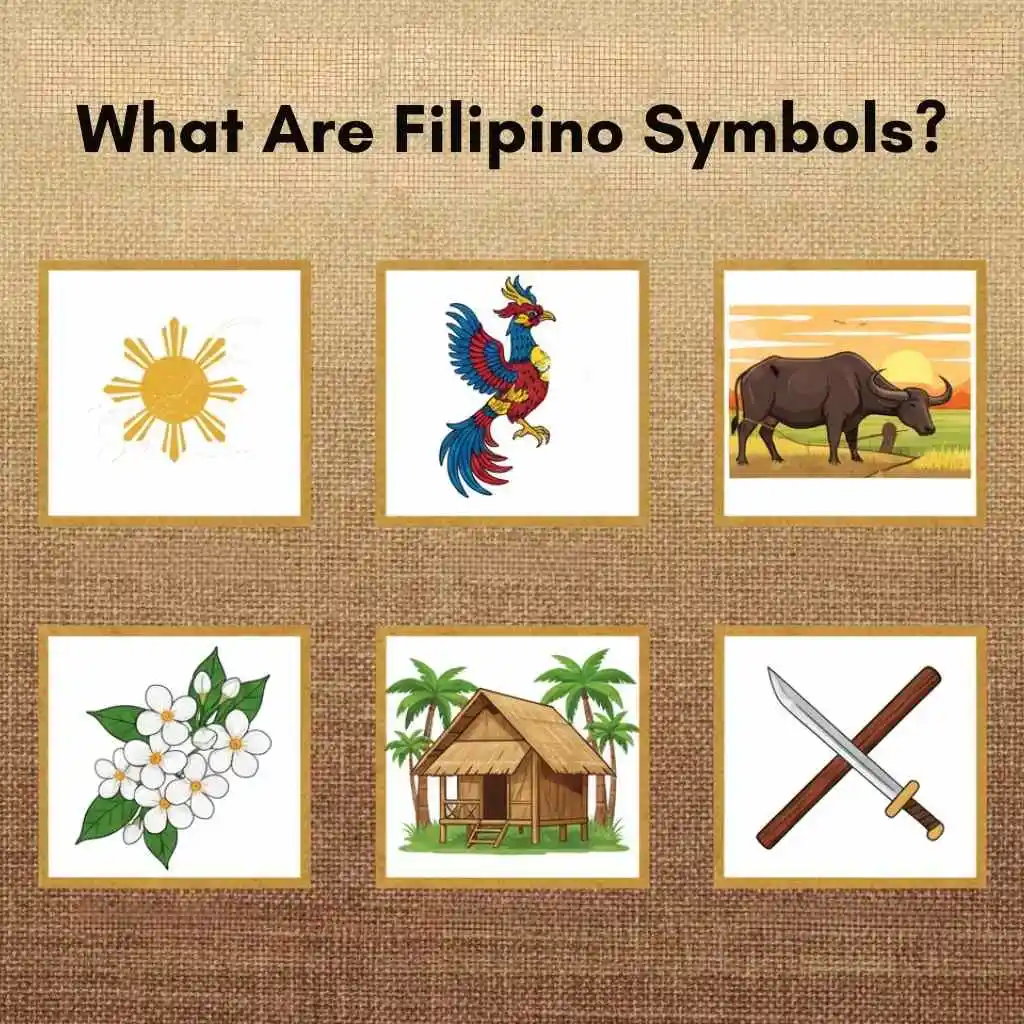
Filipino symbols are visual, cultural, and spiritual representations that express the history, values, beliefs, and identity of the Filipino people. These symbols come from indigenous traditions, pre colonial spirituality, colonial influences, and modern national identity.
Long before written history, early Filipinos used symbols to communicate status, faith, protection, and connection to nature. These appeared in tattoos, textiles, carvings, flags, and rituals. Over time, Spanish, American, and Asian influences blended with native traditions, creating symbols that feel layered, emotional, and deeply human.
Today, Filipino symbols serve as bridges between past and present. They remind people of resilience through colonization, disasters, and migration while preserving a strong sense of cultural soul.
Filipino Cultural Symbols And Their Meanings
Filipino symbols and meanings
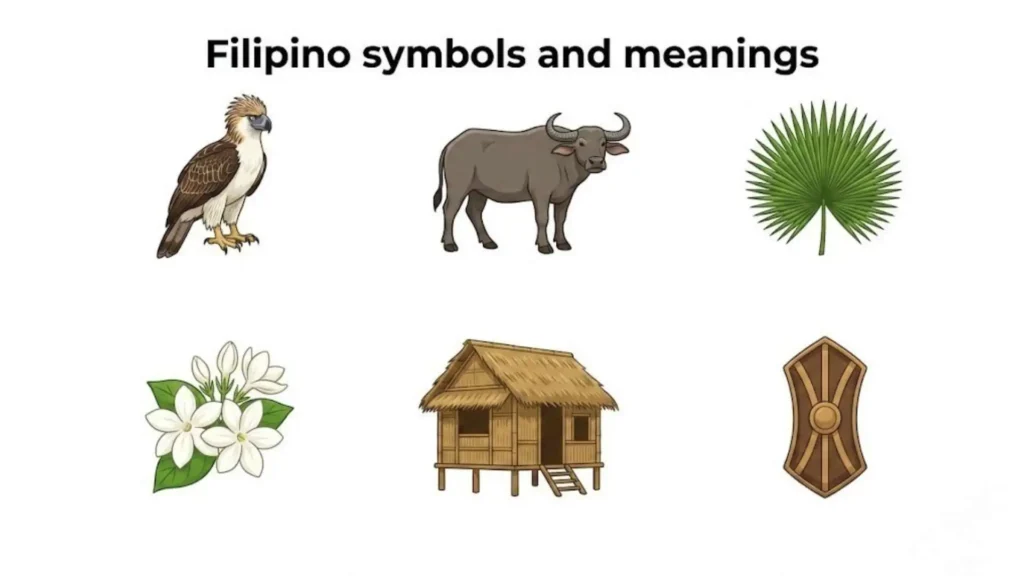
Filipino symbols reflect the history, faith, and identity of the people of the Philippines. Many of these symbols come from ancient traditions, nature, and indigenous beliefs. They often represent courage, unity, and respect for family. Over time, these meanings have blended with modern culture. Today, people still use Filipino symbols in art, clothing, and storytelling. Each symbol carries a deeper message about heritage and pride.
Filipino flag
The Filipino flag is one of the most important national symbols of the Philippines. It has three main colors: blue for peace, red for bravery, and white for equality. The golden sun represents freedom and the eight rays stand for the first provinces that fought for independence. The three stars symbolize the country’s main island groups. This flag tells a powerful story of struggle and unity. Filipinos proudly raise it during national celebrations and important events.
Filipino symbols tattoos
Filipino symbol tattoos often connect people to their ancestry and cultural roots. Many designs come from tribal markings used by ancient warriors. Symbols like the sun, waves, and spear patterns represent strength, bravery, and protection. People choose these tattoos to honor their heritage. These tattoos are also a way of keeping traditional art alive. Each design carries both personal meaning and cultural history.
Filipino symbols tattoos
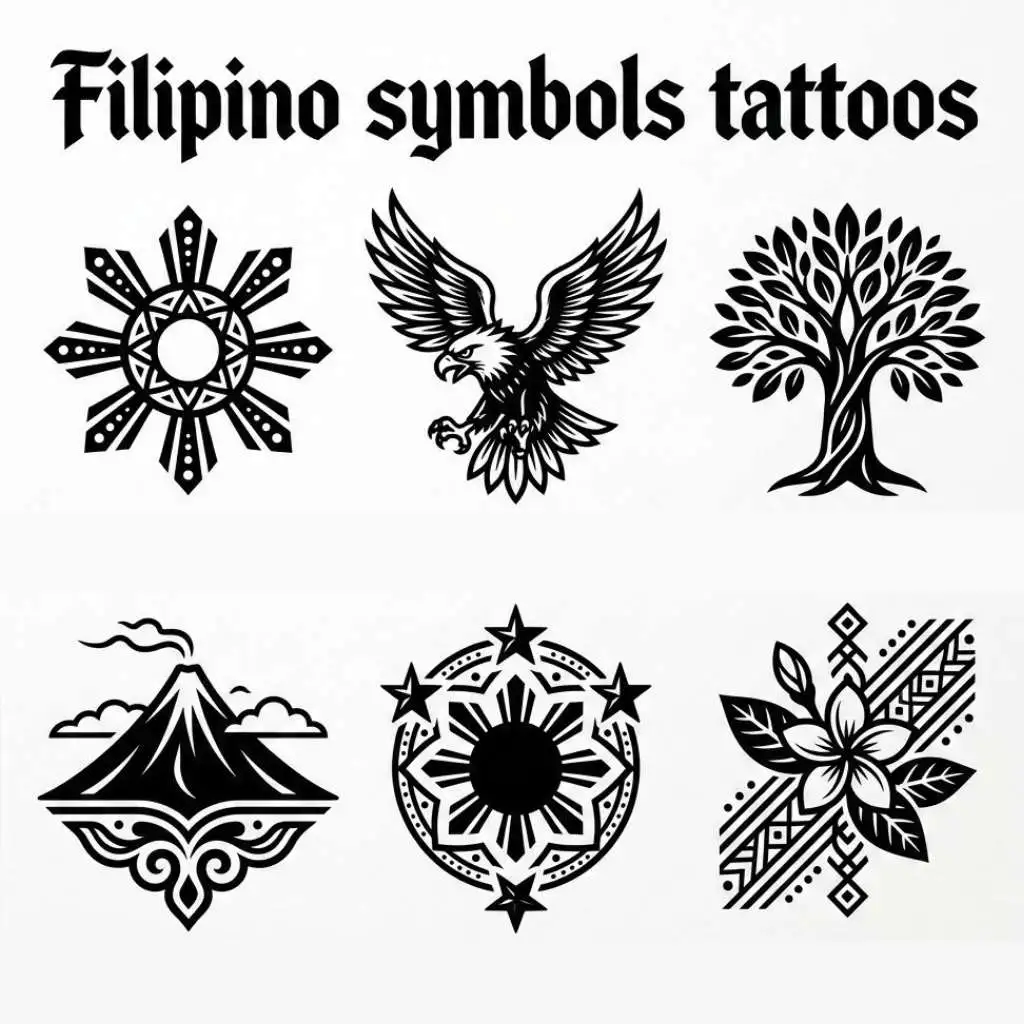
Filipino symbol tattoos are popular among people who want to celebrate Filipino culture. Traditional tattoo patterns were once used by tribal leaders and warriors. These designs often represent courage, protection, and spiritual guidance. Many modern artists recreate these ancient symbols in contemporary styles. Wearing these tattoos can show pride in Filipino identity. They also serve as a reminder of cultural heritage.
Filipino symbols letters
Filipino symbol letters often refer to ancient writing systems such as Baybayin. These characters were used by early Filipinos before the Spanish period. Each letter symbol represents a syllable rather than a single sound. Today, many people use these letters in tattoos, artwork, and designs. They symbolize cultural revival and pride in Filipino roots. Learning these symbols helps people reconnect with their linguistic heritage.
Philippines symbols and meanings
Philippines symbols and meanings reflect the country’s culture, nature, and national identity. These include official symbols like the flag, bird, tree, and flower. Each one tells a story about Filipino values and the environment. For example, the eagle represents strength and freedom. These symbols are taught in schools to build national pride. They help people understand the spirit of the Philippines.
National Symbols Of The Philippines
What are the 10 national symbols of the Philippines
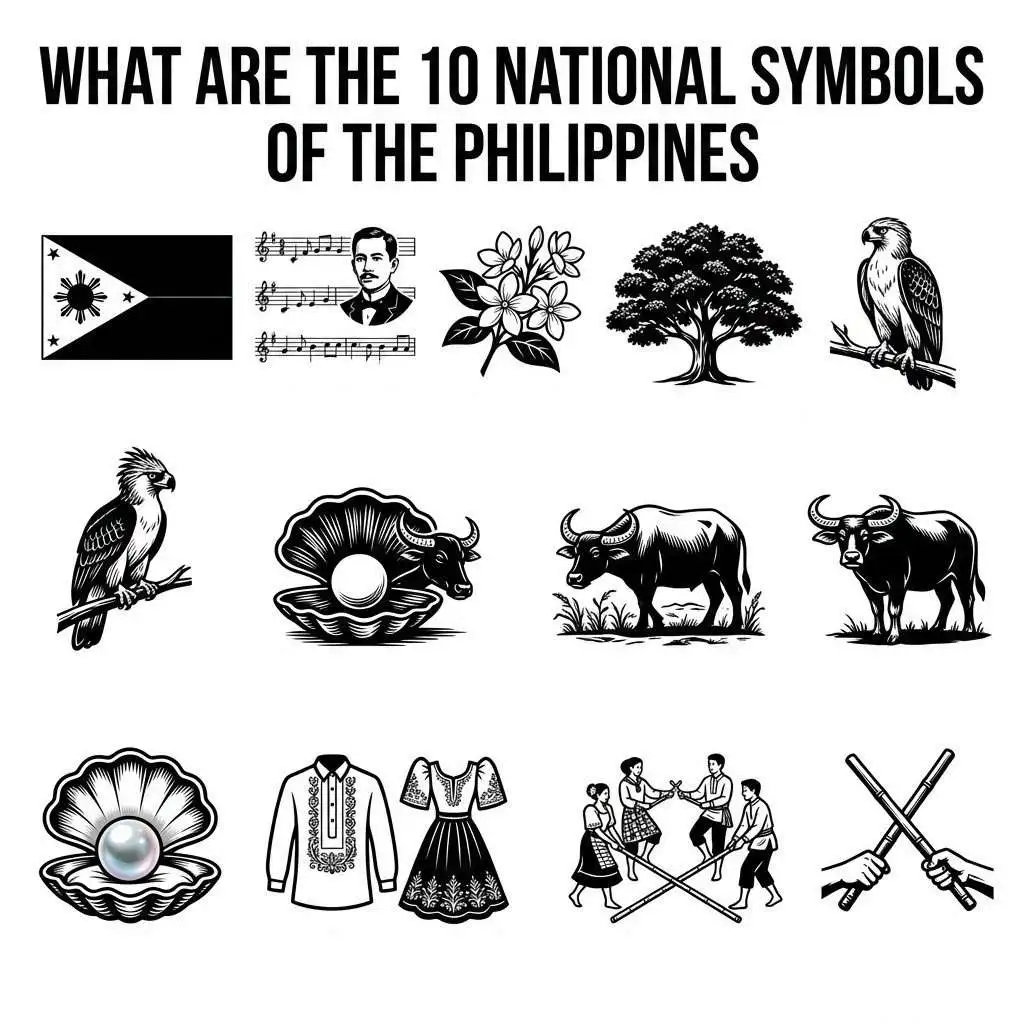
The Philippines has several official national symbols recognized by law and tradition. Some of the most well known include the Philippine eagle, narra tree, sampaguita flower, and the national flag. Others include the carabao, mango, and pearl of the orient seas identity. These symbols represent the country’s natural beauty and cultural strength. They remind citizens of their shared heritage. Many of them appear in education, art, and government materials.
Philippine national symbols PDF
A Philippine national symbols PDF usually contains a list and explanation of the country’s official emblems. It often includes images of the flag, eagle, narra tree, and sampaguita flower. These documents are used in schools and educational websites. They help students learn about national identity and history. Many PDFs also include short descriptions of each symbol. This makes learning easier and more organized.
Philippines national bird
The Philippines national bird is the Philippine eagle. It is one of the largest and most powerful eagles in the world. This bird symbolizes strength, courage, and independence. It lives mainly in the forests of the Philippines. Because it is rare and endangered, it also represents the need to protect nature. Many Filipinos see it as a proud symbol of their country.
philippine national symbols with pictures and description
Lists of Philippine national symbols with pictures and description help people understand each symbol better. Pictures make it easier to recognize the flag, eagle, tree, and flower. Descriptions explain what each symbol represents. These materials are often used in textbooks and educational websites. They help students connect visual images with historical meaning. Learning through pictures makes cultural education more engaging.
national tree of the philippines
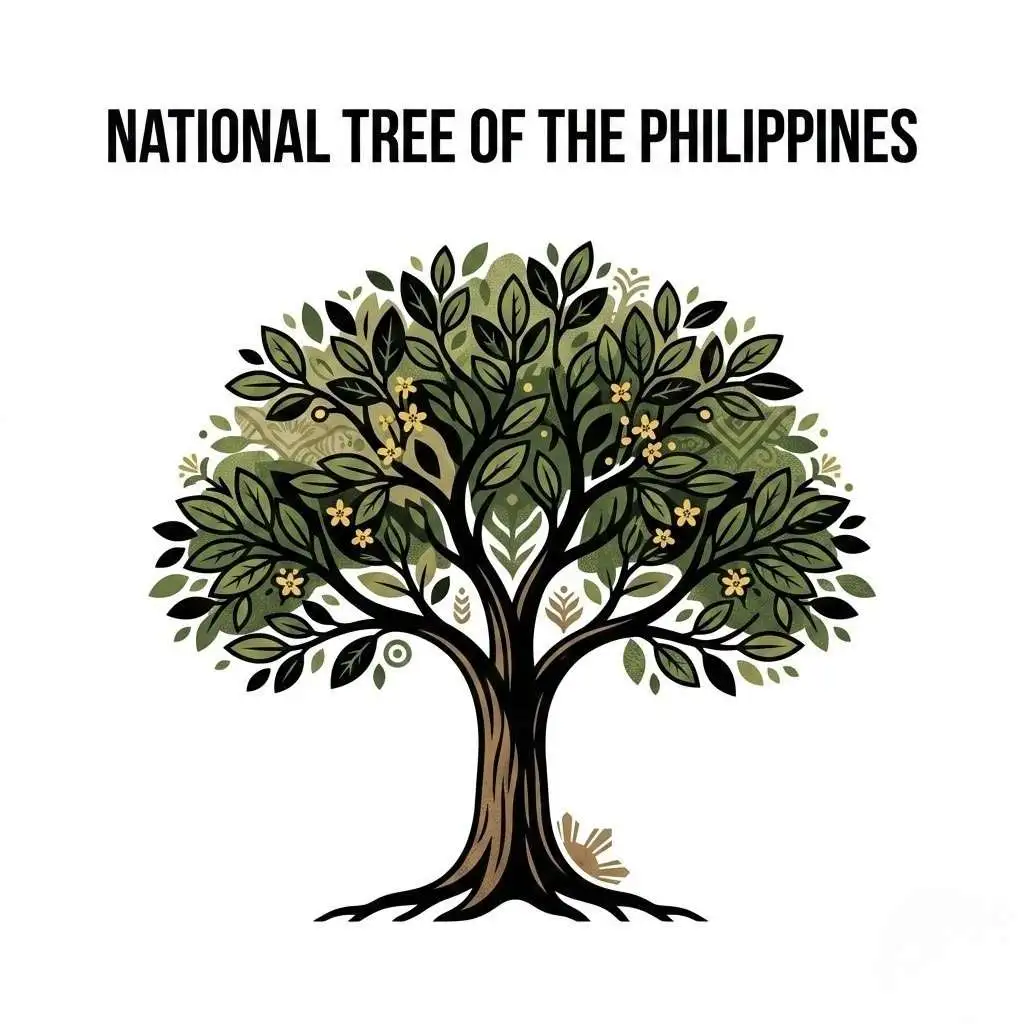
The national tree of the Philippines is the Narra tree. It represents strength, stability, and resilience. Narra wood is known for its durability and beauty. The tree also symbolizes the strong character of the Filipino people. It has been officially recognized as a national symbol for many years. Many Filipinos see it as a reminder of natural heritage.
Ancient And Traditional Filipino Symbols
ancient filipino symbols
Ancient Filipino symbols come from pre-colonial traditions and tribal cultures. These symbols were used in carvings, tattoos, and spiritual rituals. Many of them represent nature, warriors, and protection. They were believed to carry spiritual power. Today these ancient designs inspire modern art and cultural revival. They remind people of the deep history of the Philippines.
filipino symbolism
Filipino symbolism often reflects community values and spiritual beliefs. Symbols may represent bravery, harmony with nature, and respect for ancestors. Many cultural symbols appear in clothing, weaving patterns, and tribal art. These designs tell stories about history and identity. Symbolism helps people express meaning without words. It remains an important part of Filipino culture.
traditional filipino symbols
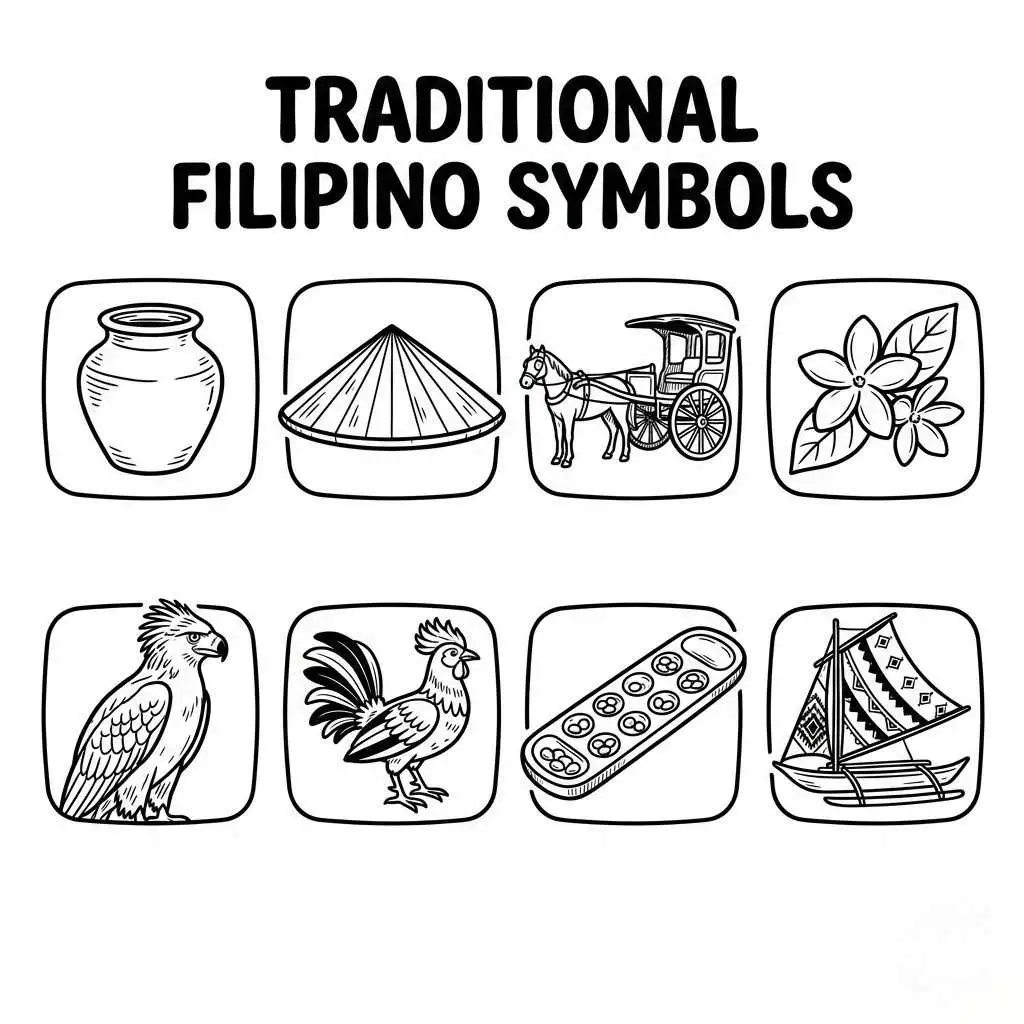
Traditional Filipino symbols include tribal designs, nature icons, and cultural patterns. Many were used in rituals, crafts, and daily life. These symbols often represent protection, guidance, and prosperity. Different regions have unique designs and meanings. Today these traditional symbols appear in art, fashion, and tattoos. They help preserve the country’s cultural heritage.
filipino good luck symbols
Filipino good luck symbols are believed to bring prosperity and positive energy. Some designs include sun patterns, animals, and natural shapes. These symbols were traditionally used in homes and jewelry. People believed they could attract good fortune and protection. Even today many Filipinos keep these symbols for spiritual comfort. They remain part of local traditions and beliefs.
filipino ancient symbols
Filipino ancient symbols are designs that existed long before colonial influence. These symbols were carved into tools, houses, and ornaments. Many represented spiritual protection or warrior strength. They also showed connection to nature and tribal identity. Modern artists often revive these designs in tattoos and artwork. This helps keep old traditions alive.
filipino indigenous symbols
Filipino indigenous symbols come from the traditions of native tribes across the islands. Each tribe has unique patterns and meanings. These symbols often represent nature, spirits, and community values. They are seen in weaving, carvings, and body art. Indigenous symbols play an important role in cultural storytelling. They reflect the diversity of Filipino heritage.
filipino protection symbols
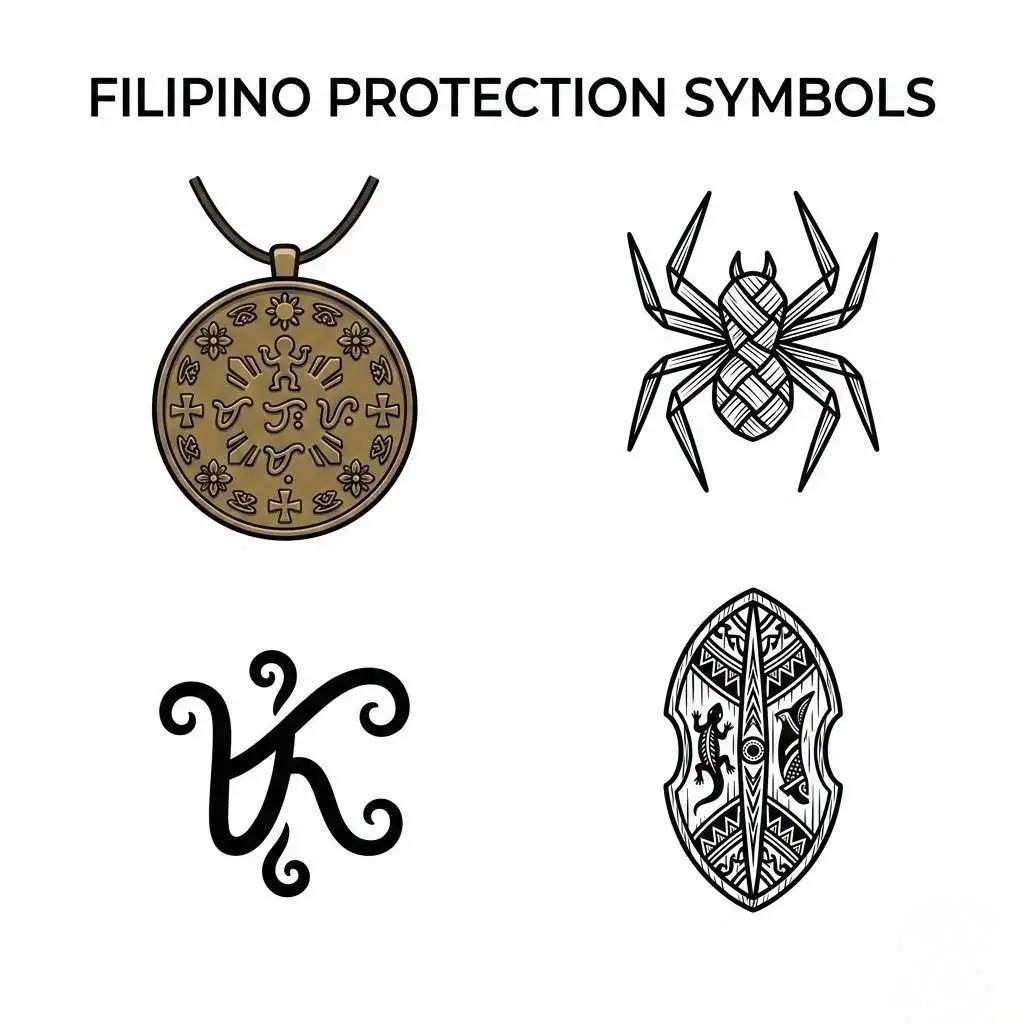
Filipino protection symbols were believed to guard people from harm and negative energy. Ancient communities used them in tattoos, charms, and house decorations. Some designs represented spiritual guardians or natural forces. Warriors also used protective symbols in battle. These symbols gave people courage and confidence. Today they still appear in traditional art.
Filipino Symbols Of Identity, Culture And Strength
family filipino symbols and meanings
Family Filipino symbols and meanings often represent unity, loyalty, and love. In Filipino culture, family is one of the most important values. Some symbols show circles or connected shapes to represent strong bonds. These designs remind people of support and togetherness. They are often used in tattoos or artwork. Many Filipinos see them as symbols of lifelong connection.
filipino symbols for strength
Filipino symbols for strength often come from warrior traditions and nature. Designs such as sun rays, spears, and tribal patterns represent courage and resilience. These symbols remind people to stay strong during challenges. Many athletes and artists use them as inspiration. They are also common in traditional tattoo designs. Strength symbols reflect the brave spirit of Filipino history.
symbols that represent filipino culture
Symbols that represent Filipino culture include the sun, bamboo, eagle, and traditional weaving patterns. Each symbol reflects an aspect of daily life and values. Bamboo represents flexibility and resilience. The sun represents freedom and hope. Cultural symbols also appear in festivals, crafts, and clothing. They help preserve the identity of the Filipino people.
filipino symbols of strength
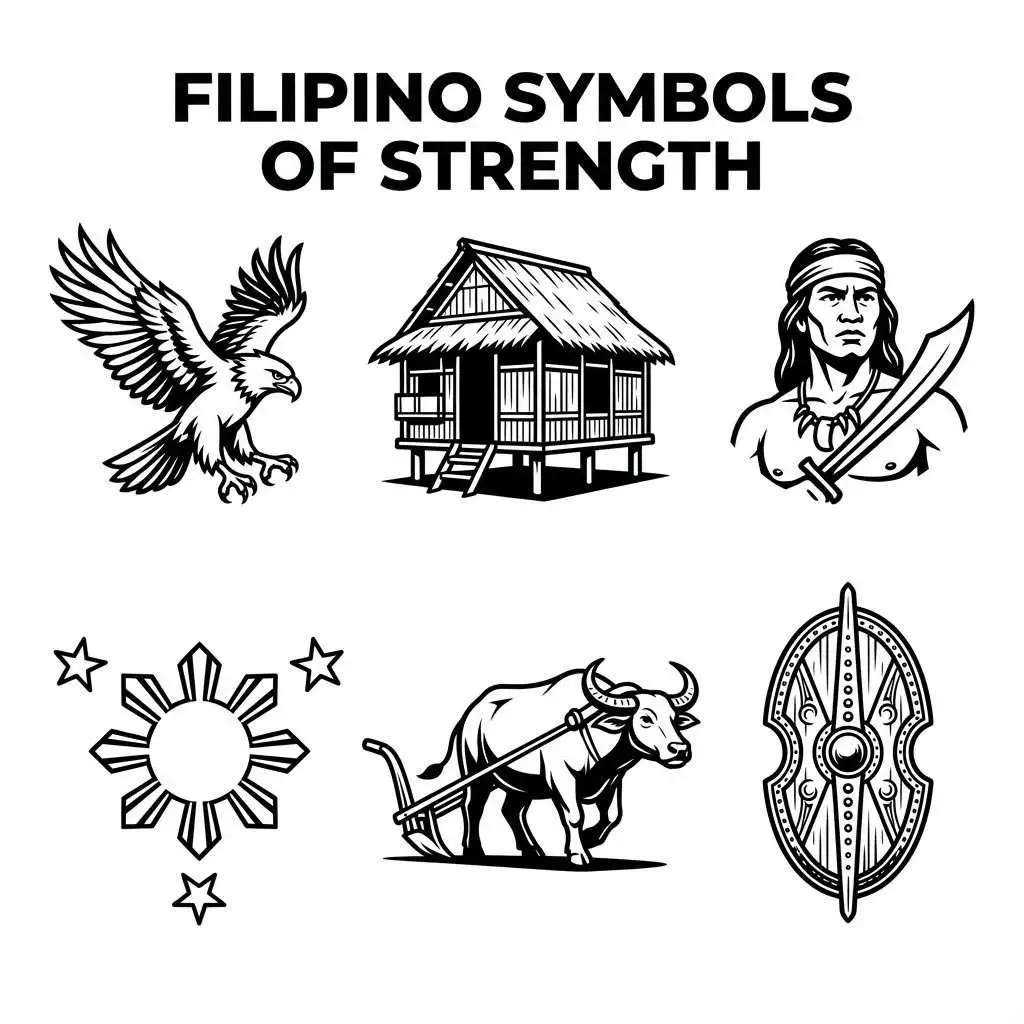
Filipino symbols of strength highlight bravery, endurance, and determination. Many of these symbols come from tribal warrior traditions. They often appear in bold geometric patterns. These designs remind people of the courage shown in history. Modern Filipinos use them to express pride and resilience. They are powerful representations of inner strength.
filipino culture symbols
Filipino culture symbols represent traditions, beliefs, and social values. These include patterns used in textiles, carvings, and architecture. Many symbols reflect respect for elders and harmony with nature. Cultural symbols also appear in festivals and ceremonies. They connect modern generations to their ancestors. Through these symbols, Filipino culture continues to thrive.
filipino symbols culture
Filipino symbols culture shows how symbols shape the identity of the Filipino people. These symbols appear in art, clothing, and traditional crafts. They often represent values such as courage, unity, and hospitality. Cultural symbols also help tell stories from history. Many young people now rediscover them through modern design. This keeps the culture alive.
indigenous filipino symbols
Indigenous Filipino symbols are unique designs created by different native tribes. They represent spiritual beliefs, nature, and social status. These symbols often appear in weaving and body art. They help tribes express identity and tradition. Many scholars study them to understand early Filipino culture. They remain an important cultural treasure.
symbols of filipino identity
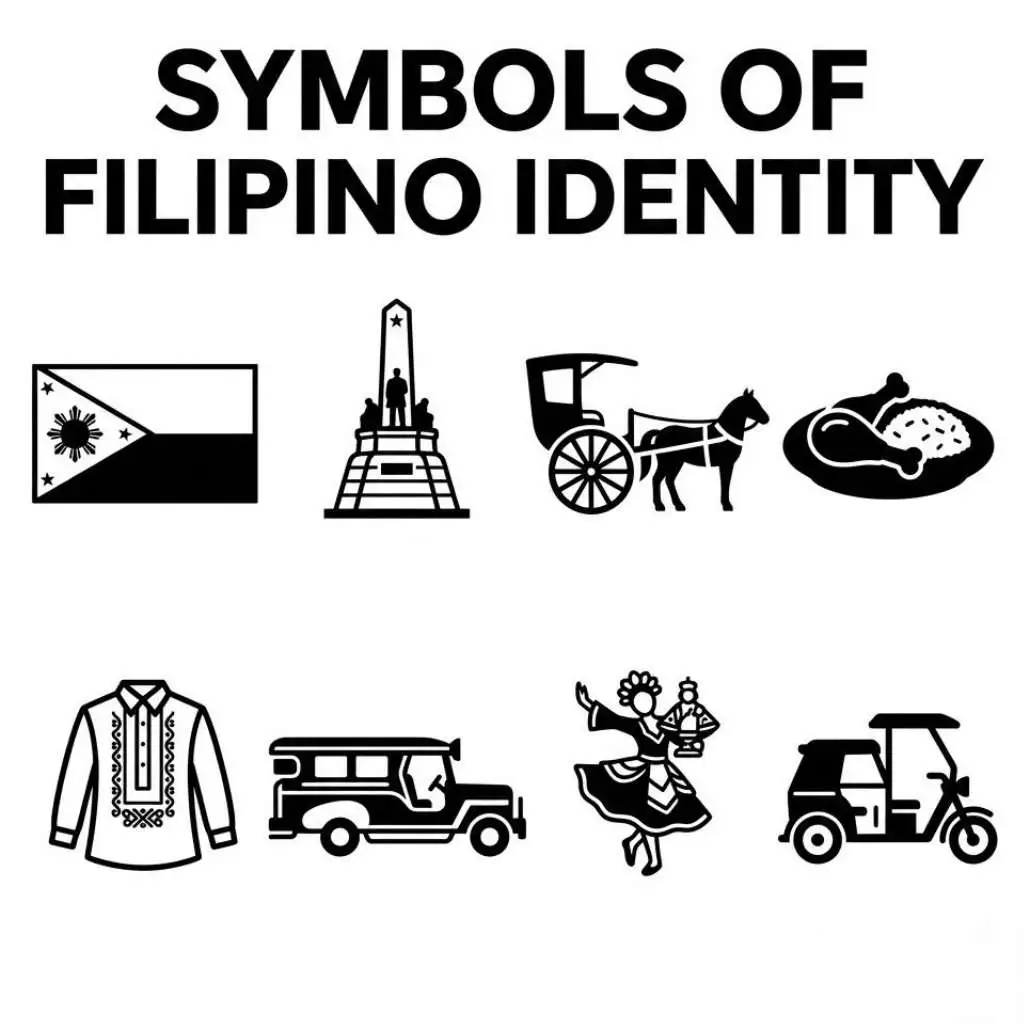
Symbols of Filipino identity reflect the country’s history, resilience, and unity. The sun, eagle, and traditional tribal patterns are powerful examples. These symbols show pride in heritage and independence. They remind people of shared struggles and achievements. Many Filipinos display them in art and national celebrations. They strengthen a sense of belonging.
symbols of filipino culture
Symbols of Filipino culture include objects, animals, and designs connected to tradition. Many represent harmony with nature and respect for community. These symbols are seen in clothing, festivals, and local crafts. They help pass cultural knowledge from one generation to another. Cultural symbols also promote national pride. They are a visible expression of Filipino identity.
More Ancient And Cultural Filipino Symbols
ancient filipino symbols and meanings
Ancient Filipino symbols and meanings come from pre-colonial beliefs and traditions. Each design carried spiritual or cultural significance. Some symbols represented protection while others symbolized leadership. These designs appeared in carvings, jewelry, and tattoos. They helped people communicate ideas and values. Today they remain important cultural references.
filipino cultural symbols
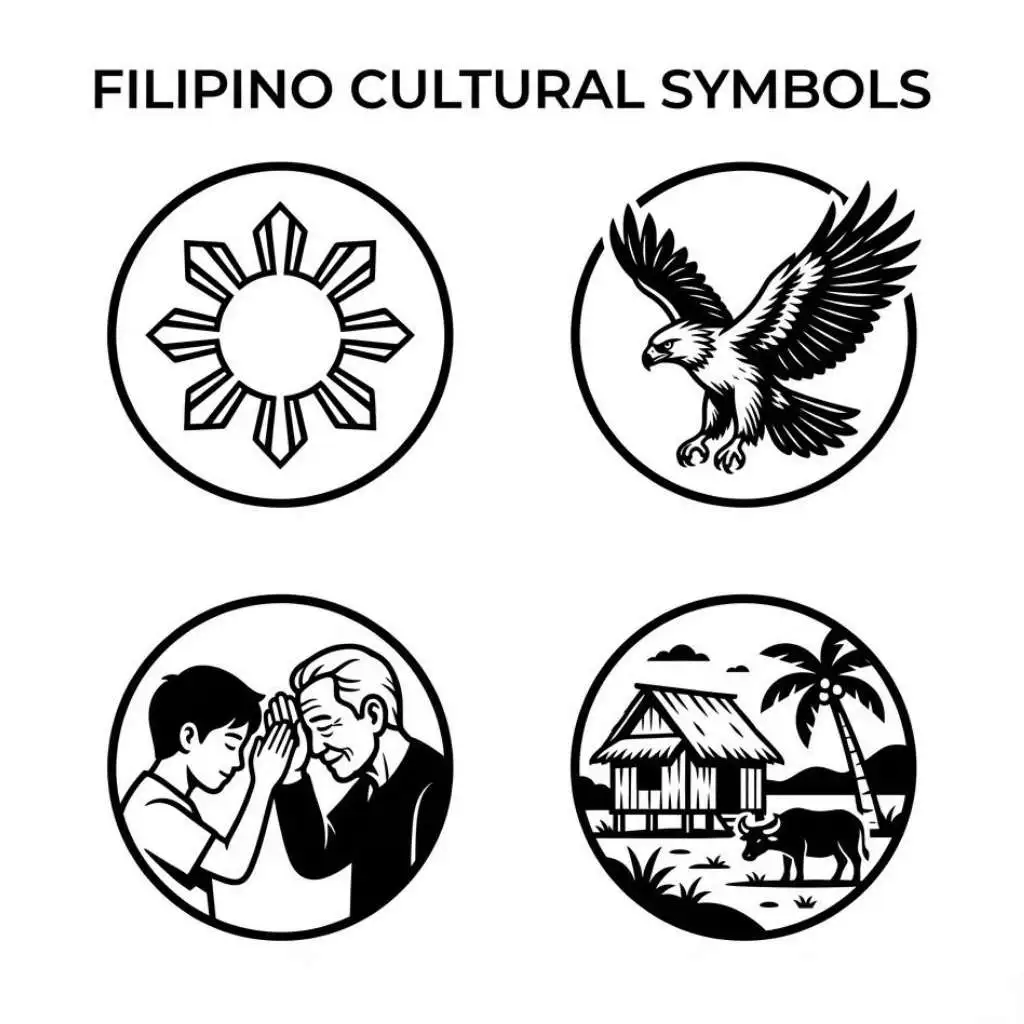
Filipino cultural symbols reflect traditions that shaped the nation’s identity. They include nature symbols, tribal patterns, and national emblems. Many are connected to stories of bravery and unity. Cultural symbols are still used in festivals and crafts. They remind people of their roots and shared history. Through them, culture continues to evolve.
ancient filipino symbols for strength
Ancient Filipino symbols for strength were commonly used by tribal warriors. These symbols represented bravery, endurance, and protection. They often appeared in tattoo patterns worn during battle. Warriors believed these symbols gave them spiritual power. Today they inspire modern designs and artwork. They remain a symbol of courage.
filipino symbols for family
Filipino symbols for family represent unity and strong relationships. Family is central to Filipino life and tradition. Symbols may include circular patterns or connected lines showing togetherness. Many people use them in tattoos or jewelry. They remind individuals of loyalty and support. These symbols celebrate the importance of family bonds.
traditional filipino symbols and meanings
Traditional Filipino symbols and meanings come from centuries of cultural practice. They represent values such as respect, bravery, and harmony. Many were used in ceremonies, clothing, and decorations. Their meanings often connect to nature or spirituality. Understanding these symbols helps people appreciate Filipino heritage. They continue to inspire modern culture.
old filipino symbols for strength
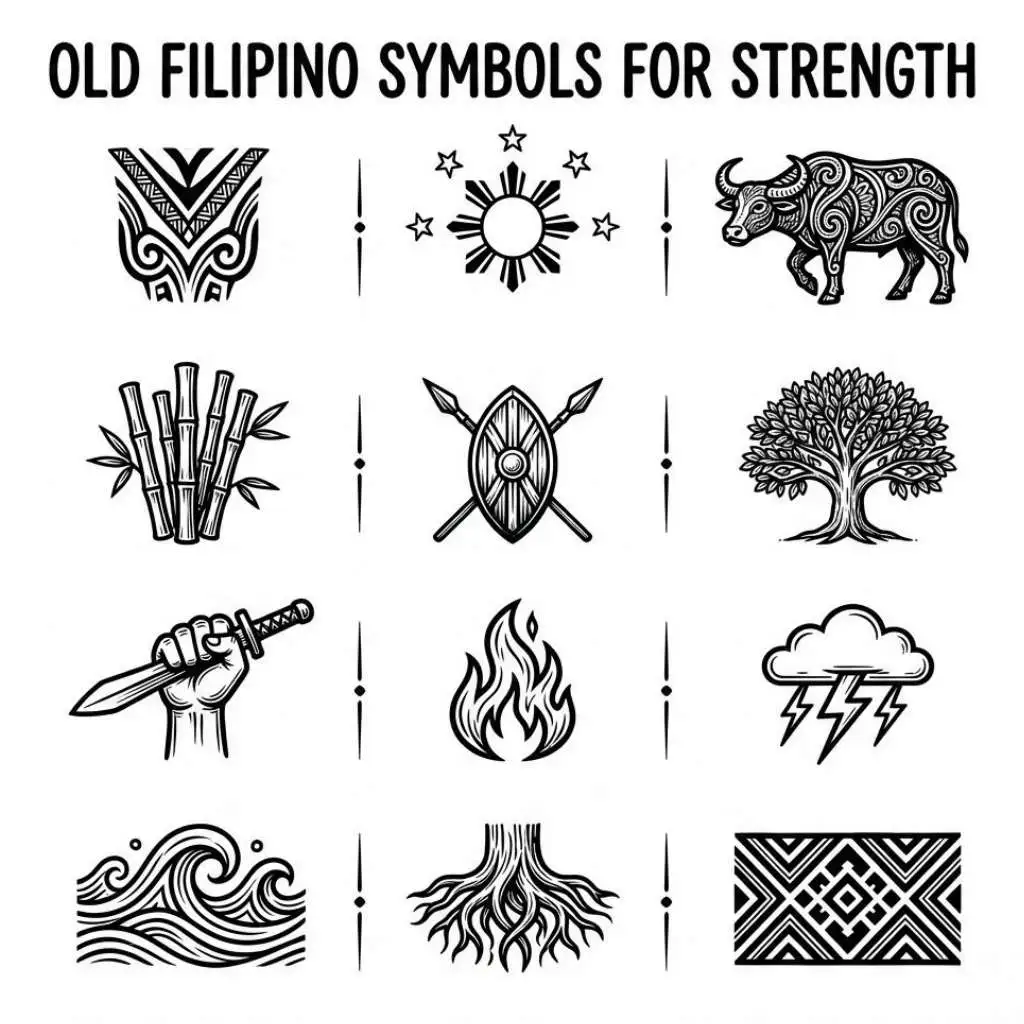
Old Filipino symbols for strength were used by warriors and tribal leaders. These symbols showed courage and determination. Many designs include bold lines and geometric patterns. They were believed to bring protection in battle. Today they inspire tattoos and cultural art. They reflect the strong spirit of the Filipino people.
tagalog family filipino symbols and meanings
Tagalog family Filipino symbols and meanings focus on unity and loyalty. These symbols often represent the idea of strong family ties. In Tagalog culture, family support is very important. Designs may show connection or harmony between members. Many people use them to express love and respect for relatives. They are meaningful cultural representations.
common filipino symbols
Common Filipino symbols include the sun, bamboo, eagle, and traditional weaving patterns. These symbols appear frequently in art and culture. They represent freedom, resilience, and natural beauty. Many Filipinos recognize these symbols instantly. They are often used in national celebrations and cultural displays. Their meanings connect deeply with Filipino identity.
filipino symbols and practices
Filipino symbols and practices are closely connected in traditional culture. Many symbols appear in rituals, celebrations, and daily life. They help express spiritual beliefs and community values. Practices such as tattooing and weaving often include symbolic patterns. These traditions have been passed down through generations. They keep cultural knowledge alive.
warrior filipino symbols
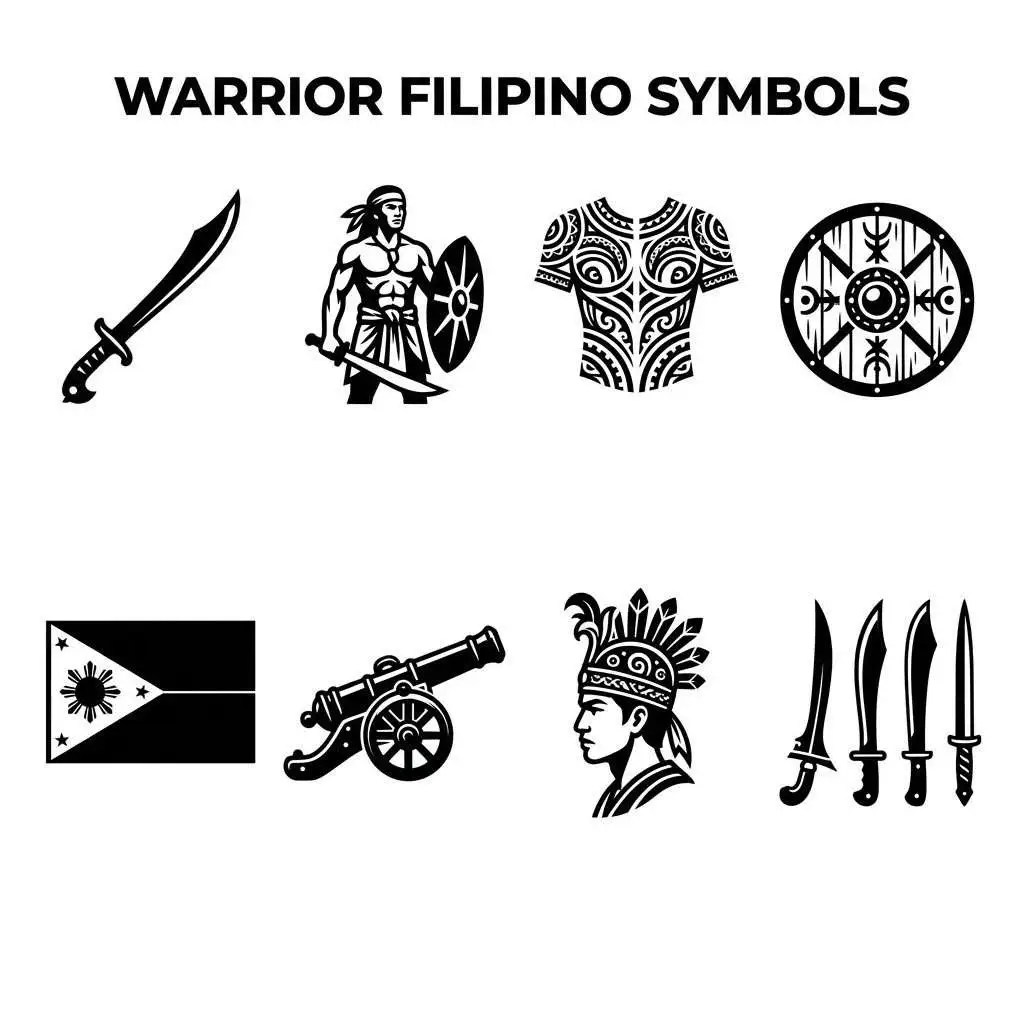
Warrior Filipino symbols represent bravery, strength, and honor. Ancient fighters used these designs as tattoos and carvings. They believed the symbols gave protection and courage. Many of these designs include bold geometric shapes. Today they inspire modern Filipino art and tattoos. They celebrate the fearless spirit of warriors.
philippine filipino symbols
Philippine Filipino symbols represent the culture and identity of the nation. They include both official national symbols and traditional designs. These symbols reflect the country’s history and values. Many appear in education, art, and cultural celebrations. They remind people of their shared heritage. Through them, Filipino identity remains strong.
ilocano ancient filipino symbols and meanings
Ilocano ancient Filipino symbols and meanings come from the traditions of the Ilocano people. These symbols often represent protection, prosperity, and nature. Many appear in weaving patterns and carvings. They tell stories about the beliefs of early communities. Today they remain part of regional cultural heritage. They help preserve the identity of Ilocano culture.
Deep Symbolic Meaning of Filipino Symbols
Spiritual Level
On a spiritual level, Filipino symbols often represent protection, guidance, and harmony with unseen forces. Ancient Filipinos believed in spirits called anito and diwata who lived in nature. Symbols acted as spiritual shields, blessings, and invitations for balance between the human and spirit worlds.
Many symbols still appear in prayers, rituals, and sacred art, quietly carrying spiritual power even when their original meanings are forgotten.
Psychological Level
Psychologically, these symbols create identity and belonging. Seeing familiar symbols triggers pride, nostalgia, and emotional grounding. For many Filipinos, especially those living abroad, symbols reconnect them to roots, family, and childhood memories.
They also represent survival. Symbols tied to warriors, sun imagery, and animals speak to inner strength, courage, and endurance.
Cultural Level
Culturally, Filipino symbols preserve stories that history books often overlook. They pass wisdom from elders to younger generations. Each symbol holds lessons about community, respect for nature, bravery, and faith.
They are cultural anchors, keeping identity alive in a rapidly changing world.
Types and Variations of Filipino Symbols
Sarimanok
Visual description: A brightly colored mythical bird with flowing wings and ornate patterns
Meaning: Prosperity, good fortune, divine blessing
Where it appears: Maranao art, royal banners, architecture, textiles
The Sarimanok is one of the most iconic Filipino symbols. It represents balance between earthly life and the spiritual realm and often appears during celebrations and important events.
Sun and Stars of the Philippine Flag
Visual description: A golden sun with eight rays and three five pointed stars
Meaning: Freedom, unity, revolution, hope
Where it appears: National flag, monuments, political imagery
Each ray represents provinces that fought against colonial rule. The stars symbolize the major island groups. This symbol is deeply emotional and tied to sacrifice and independence.
Anito Figures
Visual description: Wooden or stone human like carvings
Meaning: Ancestors, spirits, protection
Where it appears: Indigenous rituals, museums, spiritual spaces
Anito figures were believed to house spirits of ancestors or nature beings. They represent respect for lineage and the unseen world.
Okir Patterns
Visual description: Flowing, plant inspired geometric carvings
Meaning: Life force, continuity, harmony
Where it appears: Mindanao architecture, boats, textiles
Okir designs express the belief that life flows endlessly, connecting all beings.
Baybayin Script
Visual description: Curved ancient characters
Meaning: Identity, knowledge, cultural revival
Where it appears: Tattoos, art, education, activism
Baybayin has become a powerful symbol of reclaiming pre colonial identity and pride.
Filipino Symbols Across Cultures
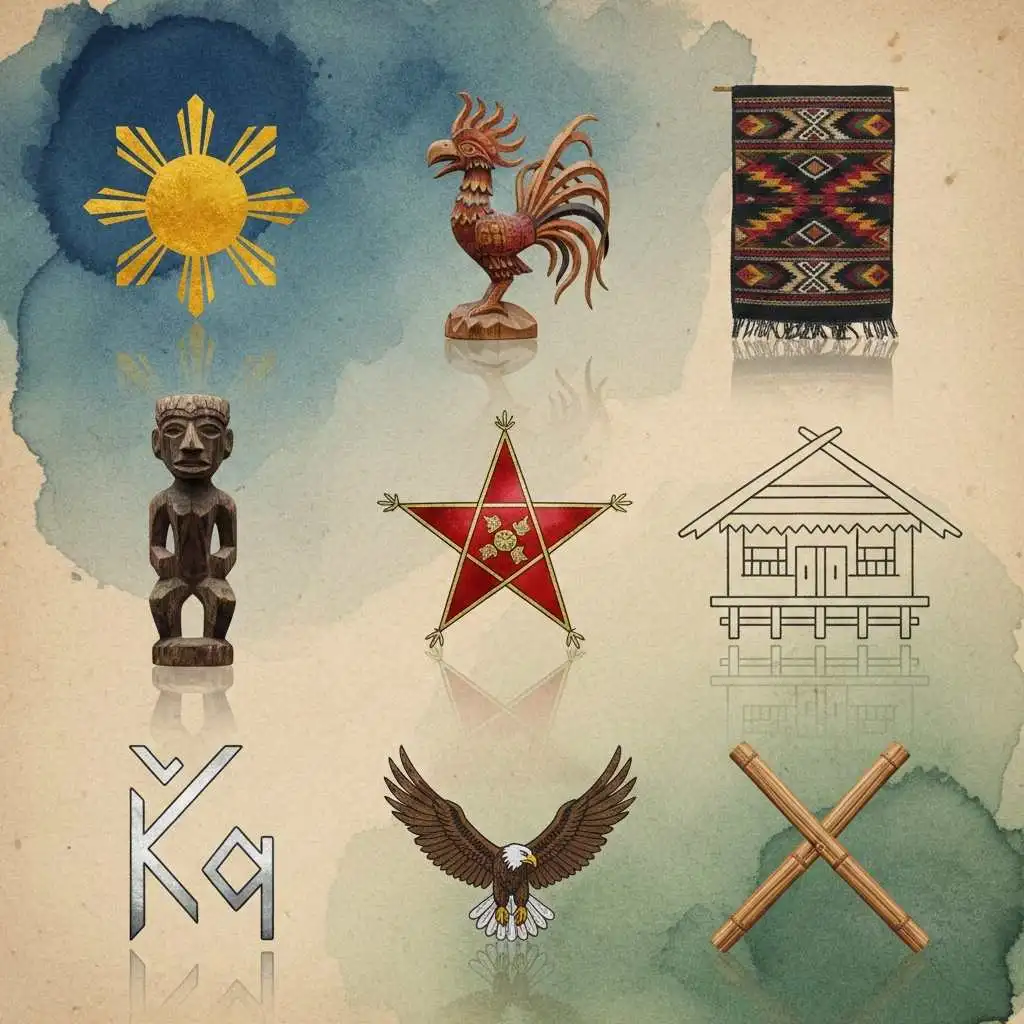
In ancient Filipino culture, symbols were tied to animism and nature worship. Mountains, rivers, animals, and the sun carried sacred meaning.
During the Spanish colonial period, Christian symbols blended with indigenous ones. Crosses merged with sun imagery. Saints absorbed qualities of old deities.
In Southeast Asian cultures, Filipino symbols share similarities with Indonesian and Malaysian motifs, especially in patterns and mythology, showing ancient trade and migration links.
In modern global culture, Filipino symbols now appear in diaspora communities, blending with Western art, tattoos, and fashion as expressions of identity and resistance.
Filipino Symbols in Art, Movies and Pop Culture
In art, Filipino painters use symbols like the sun, mother figures, and rural imagery to explore struggle and hope.
In movies, symbols appear subtly through color, setting, and folklore references, reflecting social realities and inner conflict.
In books and poetry, symbols become metaphors for migration, love, loss, and national identity.
In tattoos, Filipino symbols are deeply personal. Baybayin words, tribal patterns, and sun imagery mark stories of survival and self discovery.
In fashion, indigenous patterns and symbols reclaim heritage and challenge colonial beauty standards.
Spiritual and Dream Meaning of Filipino Symbols
Seeing Filipino symbols in dreams often reflects a desire for grounding, protection, or reconnection. A sun symbol may suggest inner awakening. Ancestral figures can signal guidance or unresolved emotional ties.
In meditation or spiritual experiences, these symbols may appear during moments of transformation, reminding individuals of strength passed down through generations.
Positive vs Negative Meaning
Positively, Filipino symbols represent unity, resilience, protection, and spiritual balance.
Negatively, they can also reflect struggle, sacrifice, loss, and historical trauma. Some symbols carry memories of colonization, war, or oppression.
This duality makes them powerful. They hold light and shadow together, just like human experience.
Why Humans Are Attracted to Filipino Symbols
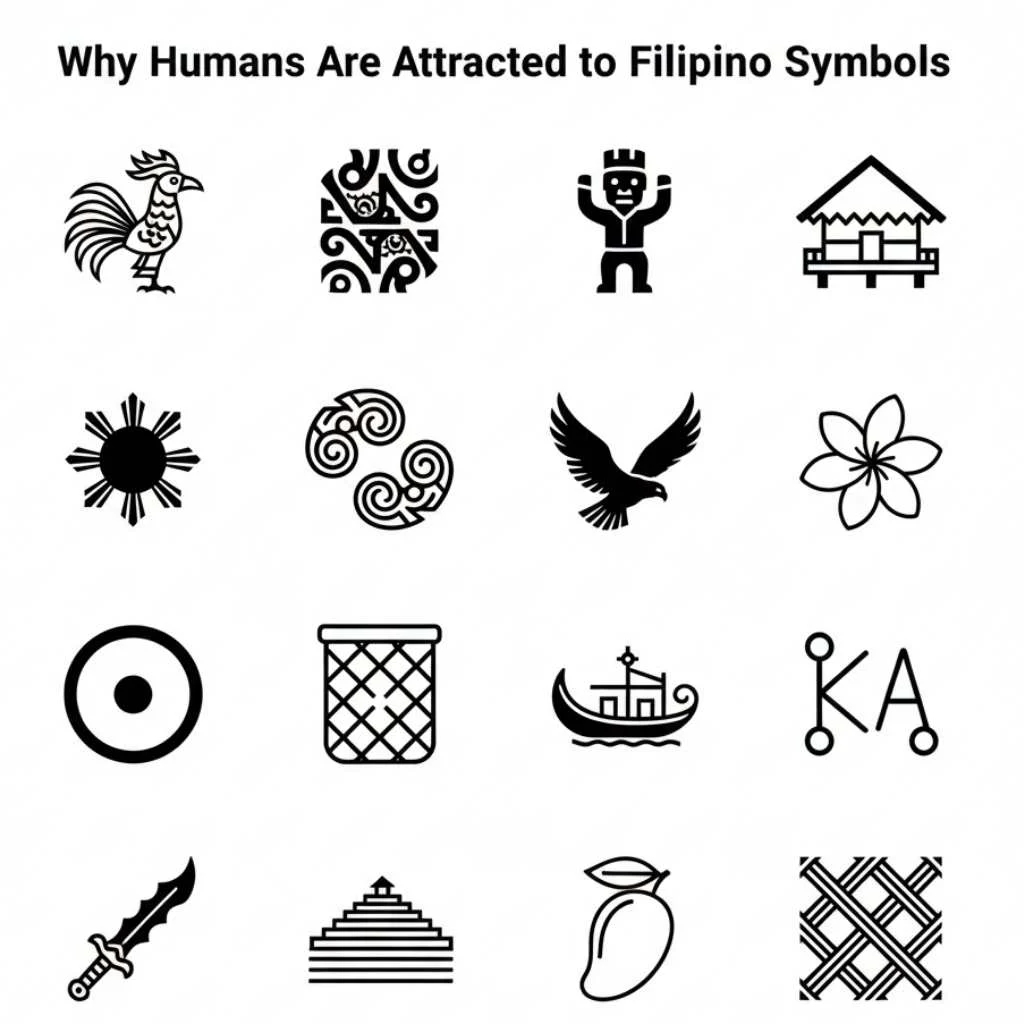
Humans are drawn to symbols that tell stories. Filipino symbols speak of survival against odds, deep family bonds, and spiritual connection.
Psychologically, they offer meaning in chaos. Emotionally, they provide comfort and pride. Culturally, they affirm identity in a world that often erases it.
People feel these symbols before they fully understand them. That emotional pull is their true power.
FAQs About Filipino Symbols
What are the most important Filipino symbols?
The Sarimanok, Philippine flag sun and stars, Baybayin script, anito figures, and okir patterns are among the most significant.
Are Filipino symbols religious?
Some are spiritual or indigenous in origin, while others blend Christian and native beliefs.
Why is Baybayin popular today?
It represents cultural revival, identity, and resistance against historical erasure.
Do Filipino symbols have meanings in dreams?
Yes, they often symbolize protection, heritage, emotional healing, or personal transformation.
Can non Filipinos use Filipino symbols?
Respectful use with understanding and appreciation is generally welcomed.
Are Filipino symbols still used today?
Yes, they appear in art, fashion, tattoos, education, and national celebrations.
Conclusion
Filipino symbols are quiet storytellers. They carry faith, pain, hope and pride across centuries. To understand them is to listen to voices of ancestors, warriors, artists and everyday people who refused to disappear.
When you truly see these symbols, you do not just learn history. You feel belonging, resilience, and the enduring heartbeat of a culture that continues to rise.
Explore More Symbols:
- One Piece Symbols | Hidden Meanings, Deep Secrets and the Powerful Messages Behind Them
- 35+ Stunning Fall Symbols | The Hidden Meanings of Autumn That Speak to the Human Soul
- 19+ Hidden Symbols of Rebirth You See Every Day but Never Notice
- 41+ Legendary Leadership Symbols From History That Still Guide Leaders Today

Sophia Reed
Hi, I’m Sophia Reed, a storyteller at heart who finds magic in everyday moments. Ever since I could hold a pen, I’ve been weaving tales that explore love, courage, and the unexpected twists of life. Writing allows me to connect with readers on a deeper level, sharing emotions and experiences that resonate across worlds. When I’m not lost in my stories, you can find me wandering through quiet streets, sipping coffee, or dreaming up my next plot twist. I believe every story has the power to inspire, heal, and transport. Through my books, I hope to leave a piece of my imagination with you.
Books:
-
Whispers of the Heart
-
Shadows and Sunlight