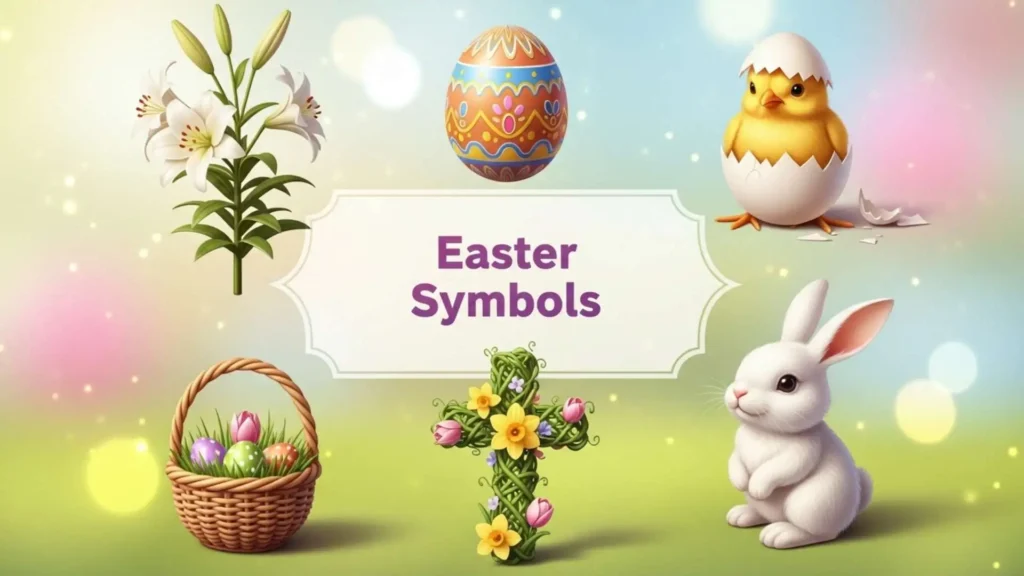
“Easter Symbols” appear everywhere each spring, yet most people only see their surface beauty.
Beneath painted eggs, blooming lilies, and gentle lambs lie centuries of belief, hope, grief and rebirth.
These symbols speak to the human soul, touching our deepest fears about death and our strongest longing for renewal.
This article uncovers the hidden meanings of Easter symbols you’ve likely seen all your life but never truly understood.
What Are Easter Symbols?
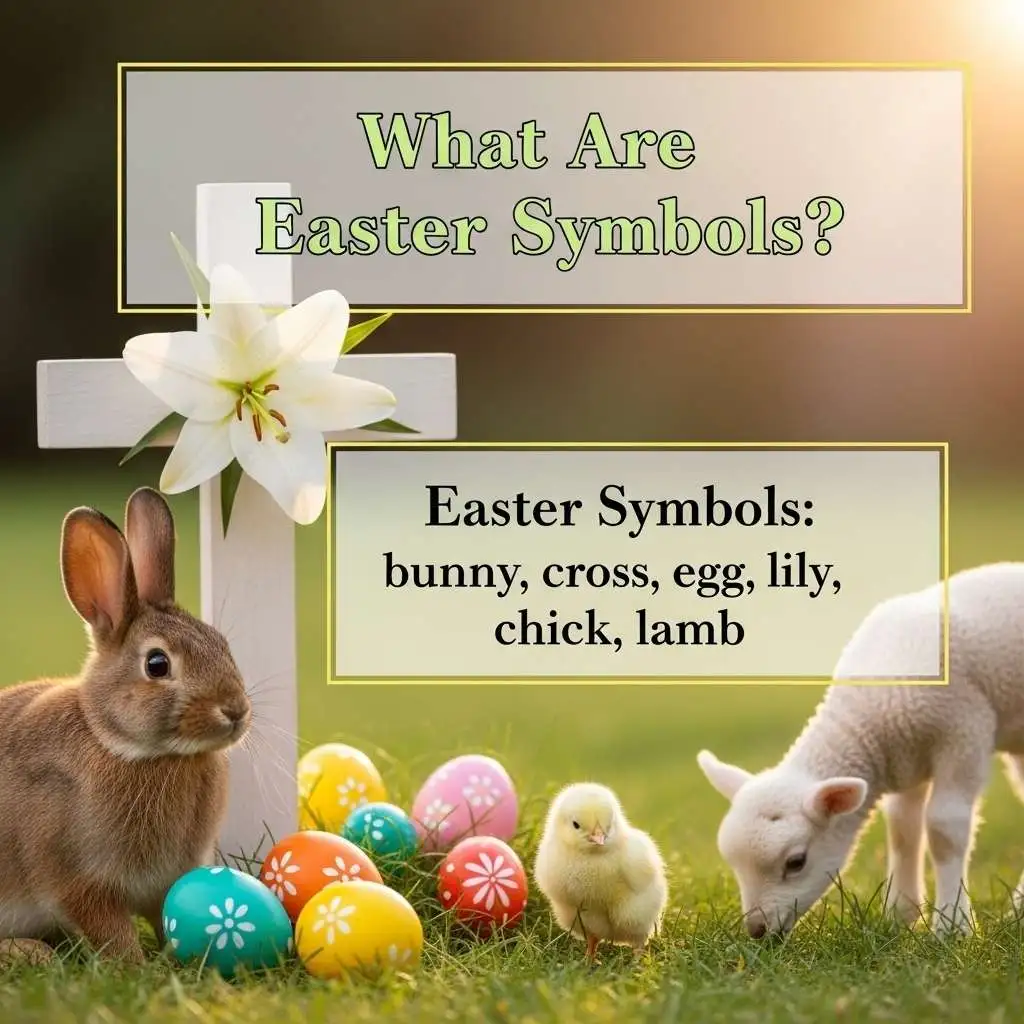
Easter symbols are visual signs, objects, and images associated with Easter that represent resurrection, renewal, sacrifice, and new life. While many people connect them mainly to Christianity and the resurrection of Jesus Christ, their roots stretch far deeper into ancient history.
Long before Christianity, civilizations used eggs, rabbits, flowers, and light as symbols of fertility, rebirth, and the return of life after winter. Christianity later embraced and reinterpreted many of these images, giving them spiritual depth and theological meaning. Today, Easter symbols exist at the crossroads of faith, psychology, folklore, and culture.
Deep Symbolic Meaning of Easter Symbols
Spiritual Level
Spiritually, Easter symbols express victory over death, the promise of resurrection, and the eternal hope of renewal. They remind believers that suffering does not have the final word and that life continues beyond darkness.
Psychological Level
Psychologically, these symbols comfort the human mind. After long periods of hardship, people naturally seek signs of hope. Eggs cracking open, flowers blooming, and light returning mirror the human desire to begin again after emotional winters.
Cultural Level
Culturally, Easter symbols unite communities. They pass stories from generation to generation, helping societies process loss, celebrate life, and maintain continuity through ritual and tradition.
Types and Variations of Easter Symbols
1. Easter Egg
- Visual Description: Oval eggs, often painted or dyed
- Meaning: New life, rebirth, resurrection
- Where It Appears: Christianity, pagan rituals, folklore, art, dreams
The egg symbolizes life hidden within apparent stillness. In Christianity, it represents Jesus rising from the tomb. In older cultures, it marked fertility and creation.
2. Easter Bunny
- Visual Description: Rabbit or hare
- Meaning: Fertility, abundance, life
- Where It Appears: European folklore, modern Easter traditions
Rabbits reproduce quickly, making them natural symbols of life’s unstoppable return after winter.
3. The Cross
- Visual Description: Wooden or golden cross
- Meaning: Sacrifice, redemption, salvation
- Where It Appears: Christianity, churches, art, jewelry
The cross represents suffering transformed into hope. It reminds believers that love often requires sacrifice.
4. Easter Lily
- Visual Description: White trumpet-shaped flower
- Meaning: Purity, resurrection, divine promise
- Where It Appears: Churches, paintings, funerals
Lilies bloom in spring, symbolizing life emerging from death and spiritual innocence.
5. The Lamb
- Visual Description: Young sheep
- Meaning: Innocence, sacrifice, protection
- Where It Appears: Biblical stories, religious art, dreams
The lamb reflects Jesus as the sacrificial offering and humanity’s longing for gentleness and peace.
Easter Symbols Across Cultures
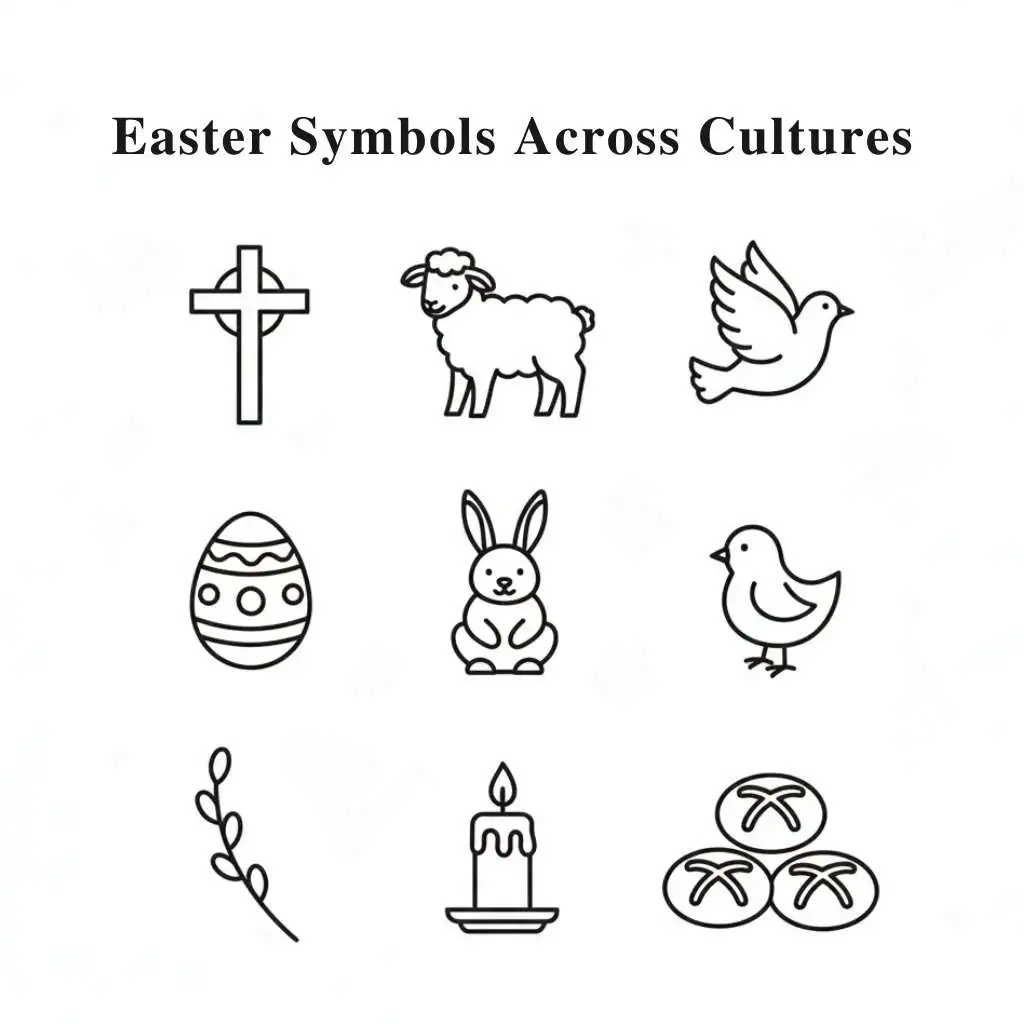
Ancient Pagan Cultures
Eggs and rabbits symbolized fertility and the goddess of spring. These cultures celebrated life’s return after harsh winters.
Early Christianity
Symbols were reinterpreted to reflect resurrection, salvation, and divine love while retaining familiar imagery.
Medieval Europe
Easter symbols became tools for teaching faith through art, stained glass, and public rituals.
Modern Western Culture
Symbols blend religious meaning with celebration, childhood joy, and family traditions.
Eastern Christian Traditions
Red eggs symbolize Christ’s blood and victory over death, emphasizing sacrifice and triumph.
Easter Symbols in Art, Movies and Pop Culture
In paintings, Easter imagery often uses light breaking through darkness to symbolize resurrection. Films use Easter symbolism subtly through themes of sacrifice and rebirth. Tattoos incorporate crosses, eggs, or lambs to mark personal transformation. Fashion embraces pastel colors and floral motifs as signs of renewal and innocence.
Across pop culture, Easter symbols continue to tell stories of second chances and emotional healing.
Spiritual and Dream Meaning of Easter Symbols
Seeing Easter symbols in dreams or meditation often signals transformation. Eggs suggest hidden potential. Light symbolizes spiritual awakening. Rabbits may point to growth or overwhelming energy. Spiritually, these symbols appear during moments of inner change, urging the dreamer to embrace renewal.
Positive vs Negative Meaning of Easter Symbols
Positive Meanings
- Hope
- Renewal
- Resurrection
- Innocence
- Divine love
Negative Meanings
- Sacrifice through suffering
- Fear of loss before rebirth
- The pain that precedes transformation
Easter symbols remind us that light often emerges only after darkness.
Why Humans Are Attracted to Easter Symbols
Humans are drawn to Easter symbols because they mirror life itself. We all experience loss, waiting, and renewal. These symbols reassure us that pain has purpose and endings can become beginnings. Psychologically, they provide emotional closure and spiritual comfort when words fail.
FAQs About Easter Symbols
What is the most important Easter symbol?
The cross is the central symbol, representing sacrifice and resurrection.
Why are eggs associated with Easter?
Eggs symbolize new life and resurrection across many cultures.
Is the Easter Bunny religious?
No, it originates from pagan fertility symbolism later adopted into Easter tradition.
What does the Easter lily symbolize?
Purity, hope, and resurrection.
Do Easter symbols have pagan origins?
Many do, but Christianity redefined their meanings.
Why is Easter associated with spring?
Spring represents renewal, growth, and life returning after winter.
Conclusion
Easter symbols are more than decorations or traditions. They are emotional bridges between past and present, faith and feeling, loss and hope.
Each symbol carries whispers of ancient beliefs and personal stories of renewal. When you look at them closely, Easter symbols don’t just celebrate resurrection, they invite you to believe in yourself.

Freddie Wood
Hi! I’m Freddie Wood, a storyteller at heart and a lifelong explorer of ideas. Writing has always been my way of making sense of the world, turning ordinary moments into stories that linger in your mind. I love blending emotions with adventure, and I’m fascinated by the way words can connect people across distances and experiences. When I’m not writing, you’ll find me wandering through nature, listening to music, or sketching out ideas for my next story. My goal is always to create books that stay with readers long after the last page.
Books by Freddie Wood:
-
The Hidden Path
-
Shadows of Tomorrow